
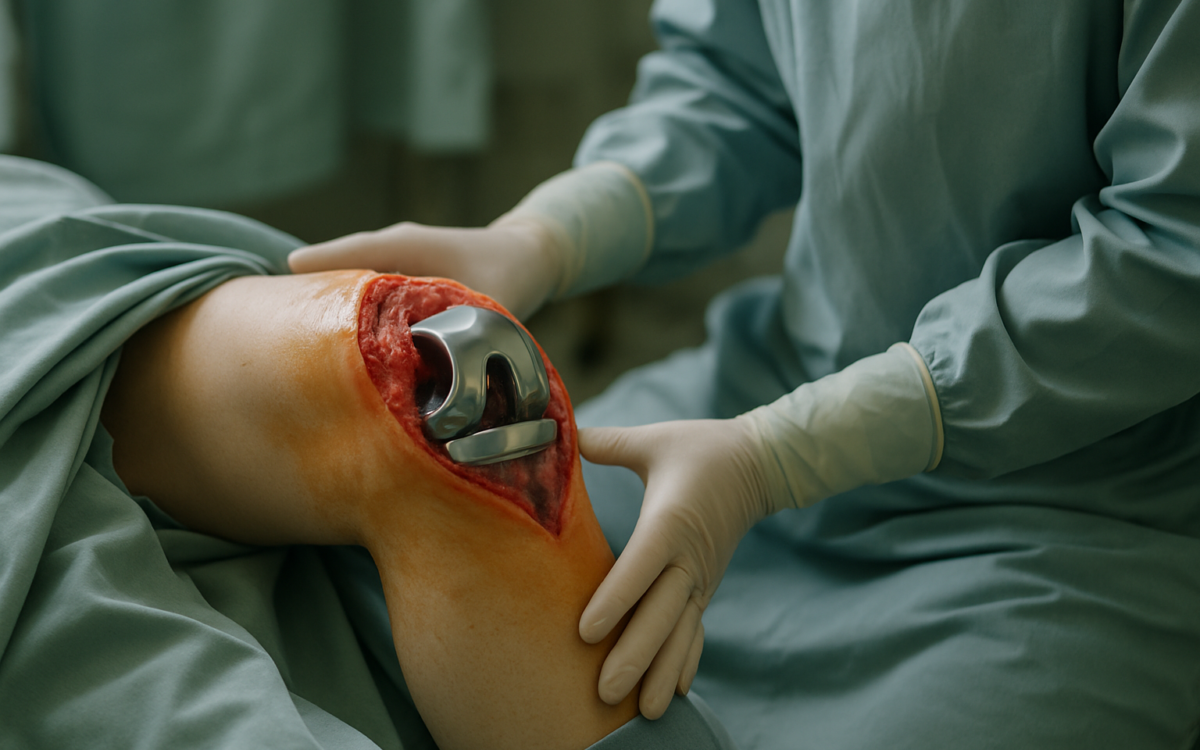
Knee replacement surgery is a common procedure that can significantly improve the quality of life for those suffering from knee pain due to arthritis or injury. Understanding the surgery through pictures can help demystify the process and provide insight into what happens during and after the procedure. In this article, we will take you through various stages of knee replacement surgery, showcasing images that illustrate the procedure while providing context to what these visual aids represent.
What is Knee Replacement Surgery?
Knee replacement surgery, or knee arthroplasty, involves replacing damaged or diseased parts of the knee joint with artificial components. There are two primary types of knee replacements: total knee replacement, where the entire knee joint is replaced, and partial knee replacement, where only a portion of the knee is replaced. This surgery is often recommended when other treatments, such as medications or physical therapy, have failed to relieve knee pain.
Images of Pre-Surgery Preparations
Before the surgery, patients often undergo several preparations. Images from pre-surgery consultations can showcase what to expect:
- Consultations with orthopedic surgeons.
- X-rays or MRIs that highlight the extent of damage to the knee.
- Physical therapy sessions designed to strengthen the muscles around the knee before surgery.
These preparations serve as vital steps in ensuring a successful outcome from knee replacement surgery.
Visualizing the Surgical Procedure
Diving into the actual surgery, many images depict the operating room setup. Factors illustrated in these pictures include:
- The operation table where the patient lies under anesthesia.
- The surgical team, equipped with sterile instruments.
- Step-by-step images showing the removal of damaged bone and cartilage, as well as the placement of the artificial components.
During a total knee replacement, the surgeon will make an incision on the front of the knee, remove the damaged surfaces of the bones, and attach the new prosthesis. This typically involves the use of advanced imaging technology to ensure precision.
Recovery Phase: What Do Post-Surgery Pictures Show?
After surgery, recovery is crucial. Pictures from the recovery ward reveal important aspects such as:
- Patients in post-anesthesia care, monitoring for any immediate complications.
- Physical therapy sessions commencing just days after surgery, showing patients working on range of motion.
- Images of rehabilitation devices and proper care methods for the incision site.
This visual documentation emphasizes the importance of rehabilitation in restoring mobility and strength to the knee.
Long-Term Results and Success Stories
Photos documenting the progress of patients after knee replacement can be incredibly inspiring. These images often depict:
- Before and after comparisons highlighting restored range of motion.
- Patients enjoying activities they love, such as walking, cycling, or even dancing.
- Testimonials from patients about their experiences and improvements in quality of life.
Such images illustrate the successful outcomes for many patients and can provide hope and motivation for those considering surgery.
Potential Risks and Complications
While knee replacement surgery has a high success rate, it’s important to be aware of potential risks. Images related to these risks may include:
- Illustrations showing common complications, such as infections or blood clots.
- Post-operative images depicting potential signs of complications.
Acknowledging these potential scenarios through visual representation can help set realistic expectations for patients.
Educational Resources Online
For more information on knee replacement surgery, consider checking out resources from reputable medical organizations such as the Mayo Clinic and NIH. These institutions provide comprehensive insights into the procedure, recovery, and ongoing research related to knee health.
When to See a Doctor
If you’re experiencing persistent knee pain or difficulties in movement, it may be time to consult a healthcare professional. Signs that warrant a visit include:
- Severe pain that limits daily activities.
- Swelling or stiffness that does not improve.
- Difficulty walking or increased instability in the knee.
Prompt attention from a physician can lead to timely interventions that may prevent the need for surgery.
In conclusion, knee replacement surgery is a complex procedure that opens the door to a more active and pain-free life for many individuals. By visualizing the process through pictures, we can better appreciate the journey from pre-surgery to recovery. Understanding what to expect can help ease anxiety and foster informed discussions with healthcare providers.
