
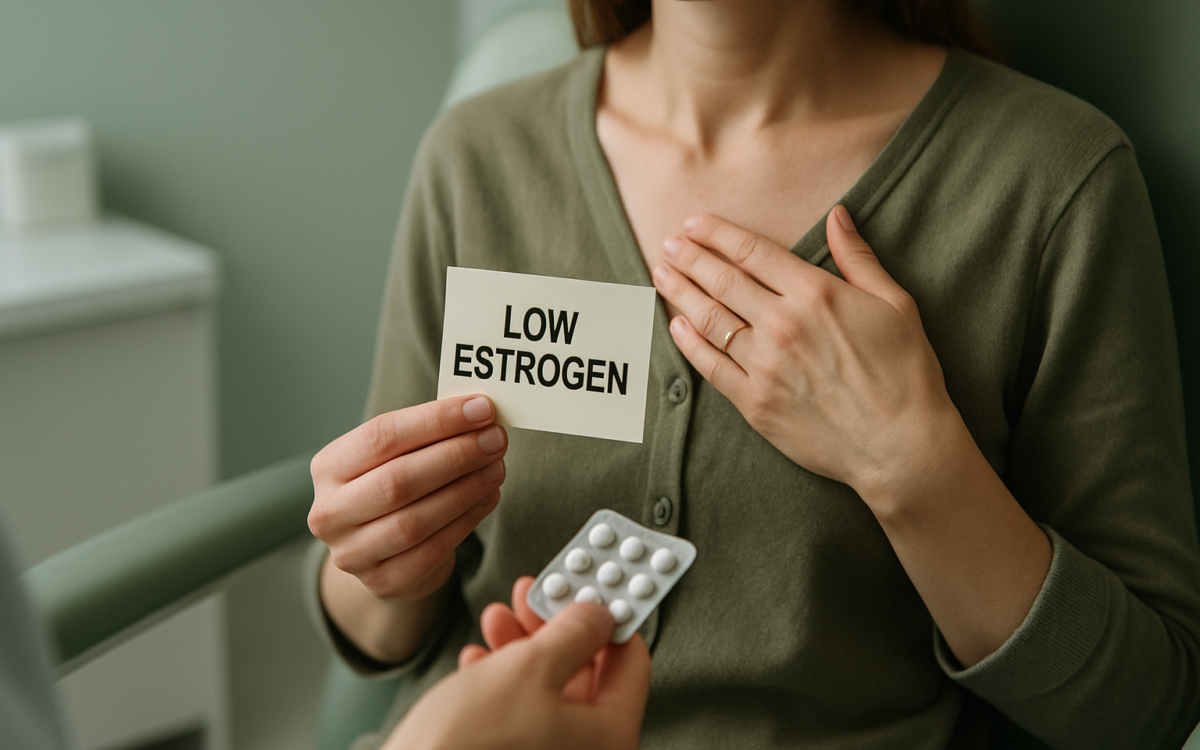
Estrogen is a crucial hormone that plays a significant role in various bodily functions, especially in women. It influences everything from menstrual cycles to bone health and even mood. When estrogen levels drop, it can lead to a range of symptoms and health issues. Understanding low estrogen is essential for managing your health effectively.
What Causes Low Estrogen?
Several factors can lead to low estrogen levels. Understanding these causes can help in identifying and addressing the underlying issues.
- Natural Aging: As women approach menopause, their estrogen production naturally decreases. This decline can start in a woman’s 30s and significantly drop during menopause, usually occurring between ages 45 and 55.
- Medical Conditions: Some medical conditions can affect estrogen production. Conditions such as polycystic ovarian syndrome (PCOS), thyroid disorders, and certain tumors can lead to hormonal imbalances, including low estrogen.
- Certain Therapies: Treatments like chemotherapy and surgery to remove ovaries can also result in lower estrogen levels. These treatments can interfere with the body’s natural hormonal production.
- Excessive Exercise or Low Body Weight: Athletes and individuals with eating disorders may experience amenorrhea, which leads to low estrogen levels due to low body fat and energy availability.
Recognizing the Symptoms
Low estrogen can manifest in various ways, and recognizing these symptoms is the first step toward seeking help.
- Irregular Menstrual Cycles: One of the most common signs of low estrogen is irregular periods. Women may experience skipped cycles or heavier than usual bleeding.
- Hot Flashes and Night Sweats: Many women report sudden feelings of warmth and sweating, particularly during the night, which can affect sleep quality.
- Mood Changes: Low estrogen can lead to mood swings, fatigue, and even depression. Women might find themselves feeling more anxious or irritable.
- Vaginal Dryness: Estrogen helps keep the vaginal tissues healthy. Low levels can lead to dryness and discomfort during sex.
- Decreased Bone Density: Estrogen is vital for maintaining bone density. Low levels can increase the risk of osteoporosis, making bones more fragile and prone to fractures.
Impact on Health
Low estrogen can have broader implications for overall health beyond the immediate symptoms. By understanding these impacts, individuals can better appreciate the importance of hormonal balance.
- Cardiovascular Health: Estrogen is known to provide some protective effects against heart disease. Low levels may increase the risk of cardiovascular problems, including high blood pressure and artery disease.
- Bone Health: As mentioned, low estrogen can lead to osteoporosis, which is a serious condition affecting many postmenopausal women. Building healthy bones during youth is crucial, but even women in later life can take steps to manage their bone health through diet and exercise.
- Cognitive Function: Some studies suggest that estrogen may play a role in cognitive health. Women experiencing low estrogen may face increased risks of cognitive decline and memory issues.
Diagnosing Low Estrogen
If you suspect you have low estrogen levels, it’s important to consult a healthcare provider for a proper diagnosis.
Diagnosis typically involves a physical exam and a review of symptoms. Blood tests may be conducted to check hormone levels. For women experiencing menopausal symptoms, hormone level tests can confirm the diagnosis.
Potential Treatments and Management
Managing low estrogen can involve lifestyle changes, medication, or both. It’s essential to discuss these options with a healthcare professional to determine the best individual plan.
- Hormone Replacement Therapy (HRT): HRT may be an option for some women, particularly those in menopausal stages. This treatment involves supplementing the body’s hormones to alleviate symptoms.
- Lifestyle Adjustments: Maintaining a balanced diet rich in calcium and vitamin D can support bone health. Regular exercise, particularly weight-bearing activities, can also help maintain bone density.
- Mental Health Support: Managing stress through yoga, meditation, or counseling may also benefit mental well-being during low estrogen periods.
When to See a Doctor
It’s essential to consult a healthcare provider if you experience persistent symptoms related to low estrogen levels, such as irregular menstrual cycles, severe mood changes, or noticeable changes in physical health. Early diagnosis can lead to effective management options.
Conclusion
Low estrogen is often a natural part of aging, but it can also arise from various medical conditions and lifestyle factors. Understanding the symptoms and impacts of low estrogen is vital for maintaining overall health. By being aware of your body and seeking timely medical advice, you can find effective ways to manage low estrogen levels and improve your quality of life. For more information on hormone health, visit the NIH or the Mayo Clinic.
