
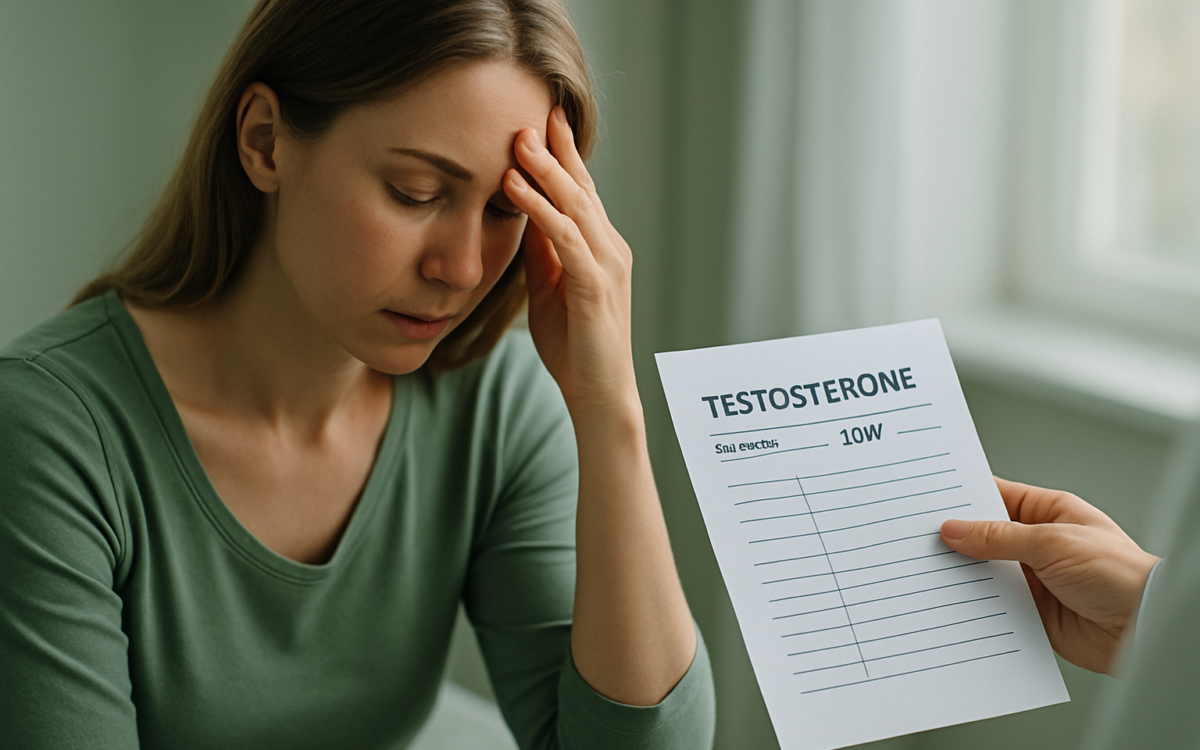
When we think of testosterone, we often picture it as a male hormone. However, this important hormone also plays a critical role in women’s health. Low testosterone, or hypogonadism, can occur in females and may lead to various physical and emotional symptoms. Understanding the signs, causes, and potential treatments can help women navigate this often-overlooked health issue.
What is Testosterone and Its Role in Women?
Testosterone is primarily known as a male hormone, but women produce it too, though in much smaller amounts. In women, testosterone is produced mainly by the ovaries, adrenal glands, and peripheral tissues. It contributes to several vital functions:
- Regulating mood and energy levels
- Supporting bone density
- Maintaining muscle mass
- Influencing libido and sexual function
A healthy balance of testosterone is essential for overall well-being. When levels drop too low, women can experience various issues that can affect their daily lives.
Signs and Symptoms of Low Testosterone in Women
Identifying low testosterone can be challenging, as symptoms can be similar to those of other conditions. Common signs to watch for include:
- Fatigue: Unusual tiredness or a lack of energy is a common complaint.
- Decreased libido: A noticeable drop in sexual desire may occur.
- Mood changes: Low testosterone can lead to feelings of sadness, irritability, or anxiety.
- Loss of muscle mass: Women may find it harder to maintain muscle or may experience weakness.
- Sleep disturbances: Difficulty falling or staying asleep can also be a sign.
If you notice these symptoms persisting over time, it may be worth discussing them with a healthcare provider.
What Causes Low Testosterone Levels in Women?
Low testosterone in women can be caused by various factors, including:
- Aging: Just like men, women experience a decline in testosterone levels as they age, especially after menopause.
- Hormonal disorders: Conditions like hypopituitarism or adrenal insufficiency can interfere with hormone production.
- Chronic illnesses: Diseases such as diabetes or thyroid disorders may affect hormone levels.
- Medications: Certain medications, such as those for chronic pain or depression, can impact testosterone levels.
- Stress: High-stress levels can lead to hormonal imbalances, including reduced testosterone.
Understanding these causes can help in managing and treating low testosterone effectively.
Diagnosis: How is Low Testosterone Diagnosed?
If low testosterone is suspected, a healthcare provider will typically conduct a thorough evaluation. This can include:
- A detailed medical history and symptom assessment.
- A physical examination to check for signs of hormonal imbalance.
- Blood tests to measure hormone levels, particularly total and free testosterone.
The timing of the blood test can be crucial, as testosterone levels fluctuate throughout the day. Testing in the morning can provide more accurate results.
Treatment Options for Low Testosterone
For women diagnosed with low testosterone, various treatment options can help alleviate symptoms:
- Testosterone therapy: This can be administered through gels, patches, or injections. However, this approach should be carefully monitored due to potential side effects.
- Lifestyle changes: Diet and exercise can significantly impact hormone levels. A healthy diet rich in nutrients and regular physical activity can help.
- Addressing underlying conditions: Treating any chronic illnesses or hormonal imbalances may improve testosterone levels.
- Mental health support: Therapy or counseling can address mood-related symptoms and improve overall well-being.
Consulting with a healthcare provider can help tailor a treatment plan that considers individual needs and health conditions.
When to See a Doctor
If you’re experiencing symptoms of low testosterone that interfere with your daily life, it may be time to consult a healthcare professional. Early intervention can lead to better outcomes and improve your quality of life. It’s essential to have open communication about your symptoms and concerns.
Conclusion
Low testosterone in women is an important and often misunderstood issue. While it can lead to a range of symptoms that affect daily life, understanding the condition, its causes, and potential treatments can empower women to seek help. If you suspect that low testosterone is affecting you, don’t hesitate to reach out to a healthcare provider. Remember, hormonal health is a crucial aspect of overall wellness for women.
For more information on testosterone and women’s health, you can visit sites like the NIH or Mayo Clinic.
