
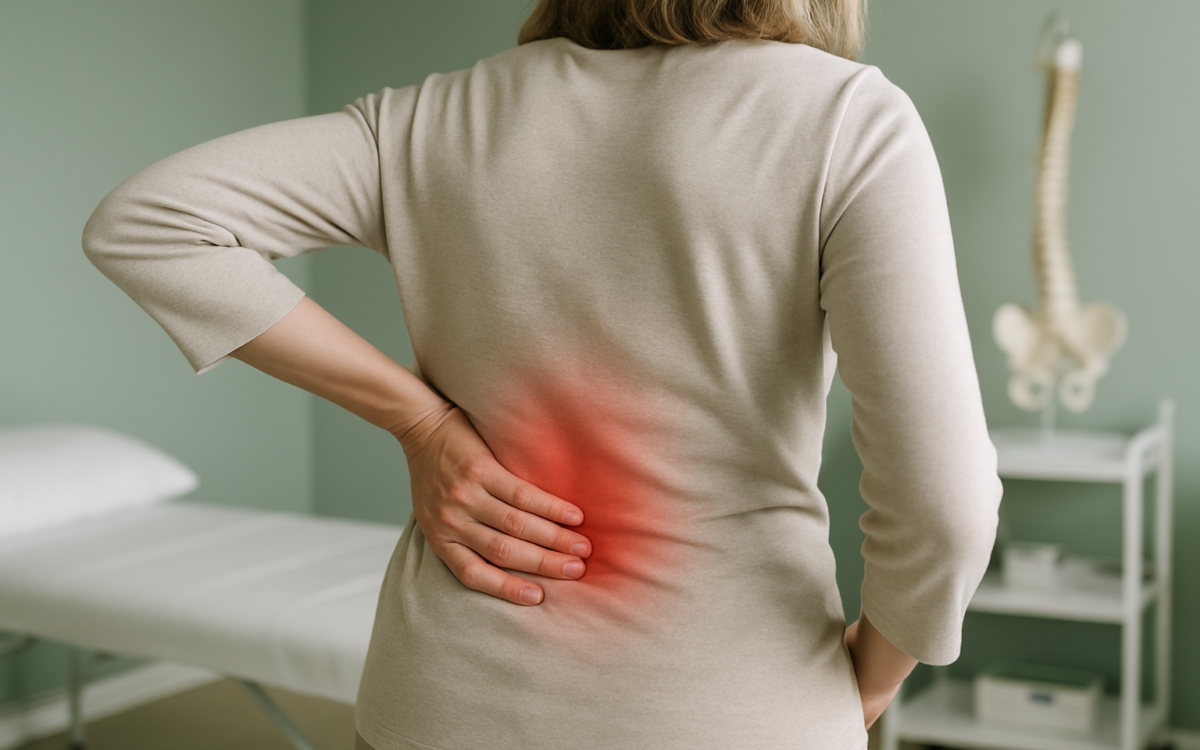
Middle back ache is a common complaint for many people, often stemming from various causes such as poor posture, muscle strain, or certain medical conditions. While it may be easy to dismiss occasional discomfort, understanding the underlying issues and knowing how to address them can lead to lasting relief.
Common Causes of Middle Back Ache
There are numerous reasons why someone may experience middle back ache. Some of the most common causes include:
- Poor Posture: Long hours of sitting or standing in an awkward position can place stress on the back muscles and lead to pain.
- Muscle Strain: Lifting heavy objects or sudden movements can strain the muscles, causing discomfort.
- Injuries: Accidents or sports injuries can lead to structural problems in the spine or surrounding muscles.
- Medical Conditions: Conditions such as herniated discs, arthritis, or osteoporosis can also contribute to back pain.
Signs and Symptoms
The signs and symptoms of middle back ache can vary from person to person. Some may experience a sharp, stabbing pain, while others describe a dull, constant ache. In some cases, the pain may radiate into the shoulders, neck, or lower back. Other symptoms can include:
- Tightness or stiffness in the back
- Difficulty standing up straight
- Limited range of motion
- Pain that worsens with certain activities
Home Remedies for Relief
There are several effective home remedies that can help alleviate middle back ache:
- Stretching: Gentle stretching can help relieve tension and improve flexibility in the back muscles.
- Heat Therapy: Applying heat through a heating pad or warm towel can help soothe tight muscles and increase blood flow.
- Cold Therapy: Ice packs can be applied to reduce inflammation and numb painful areas.
- Over-the-Counter Pain Relievers: Non-prescription medications such as ibuprofen or acetaminophen can help lessen pain and swelling.
Physical Activity and Exercise
Staying active is crucial in preventing and managing middle back ache. Engaging in regular physical activity helps strengthen the muscles that support your spine. Some recommended exercises include:
- Walking: Regular, moderate-paced walking can improve circulation and back health.
- Yoga: This can enhance flexibility and strength while promoting relaxation.
- Core Strengthening Exercises: Activities that strengthen the abdominal and back muscles can support the spine and reduce pain.
Consulting with a physical therapist may also be helpful. They can develop a tailored exercise program that meets your specific needs. Additionally, if you are seeking international treatment options, facilities like Acibadem International offer a range of services for non-invasive back pain therapies.
When to See a Doctor
While most cases of middle back ache can be resolved with home care, there are certain situations where medical attention is necessary. See a doctor if:
- The pain is severe or persistent
- You experience numbness, tingling, or weakness in your legs
- The pain follows an injury or accident
- You notice unexplained weight loss or other concerning symptoms
Preventing Middle Back Ache
Prevention is key to avoiding middle back ache. Here are some tips to help keep your back healthy:
- Maintain Good Posture: Pay attention to your posture when sitting, standing, or lifting. Use ergonomic furniture when possible.
- Take Frequent Breaks: If you sit for long periods, take breaks to stand, stretch, and move around.
- Invest in Supportive Footwear: Good shoes can promote alignment and alleviate unnecessary stress on your back.
- Stay Hydrated: Drinking enough water is essential for overall health, including the health of spinal discs.
Conclusion
Understanding the causes and treatments for middle back ache can empower you to take control of your health. By practicing good habits and being mindful of your body’s signals, you can reduce your risk of back pain. Should you experience persistent or severe symptoms, do not hesitate to consult your healthcare provider for personalized advice and treatment options.
