
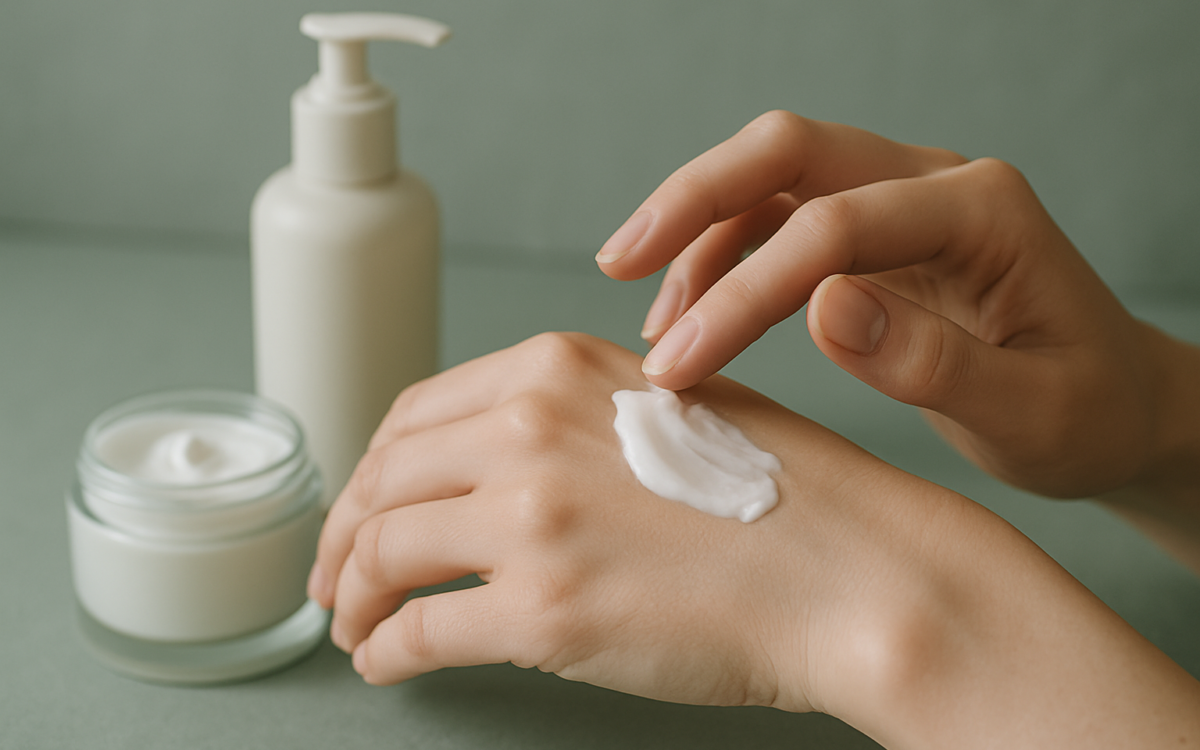
When it comes to skincare, moisturizing and hydrating are two terms that often get thrown around interchangeably. However, understanding the differences between moisturizers and hydrators can help you choose the right products for your skin type and needs. This knowledge can lead to healthier, more radiant skin.
The basics of skin hydration
Our skin has a natural barrier that protects against moisture loss and environmental aggressors. This barrier is made up of lipids and proteins that help retain moisture and keep the skin looking plump and youthful. When our skin becomes dehydrated, it can lead to issues such as dryness, flakiness, and increased sensitivity. The key to maintaining healthy skin is ensuring that it remains both moisturized and hydrated.
What is a moisturizer?
A moisturizer is a product designed to add moisture to the skin and help lock it in. Moisturizers often contain ingredients that create a barrier on the skin, preventing water loss. They can come in various forms, such as creams, lotions, and gels. Common ingredients found in moisturizers include:
- Occlusives: Ingredients like petrolatum, lanolin, and dimethicone that form a protective barrier on the skin.
- Emollients: Substances like shea butter or jojoba oil that smooth and soften the skin.
- Humectants: Ingredients such as glycerin and hyaluronic acid that draw moisture from the environment into the skin.
Using a good moisturizer can help keep your skin soft, smooth, and prevent moisture loss, making it essential for those with dry or sensitive skin.
What is a hydrator?
On the other hand, a hydrator is focused on increasing the water content within the skin. Hydrators help to attract and retain water, making the skin appear plump and dewy. They often contain humectants that work by drawing moisture from the environment or deeper layers of the skin. Some popular hydrator ingredients include:
- Hyaluronic acid: A powerful humectant that can hold up to 1,000 times its weight in water.
- Urea: A natural component of our skin that helps to maintain moisture.
- Aloe vera: Known for its soothing properties, aloe also has hydrating effects.
While hydrators do not create a barrier like moisturizers, they are crucial for maintaining the skin’s water content and overall texture.
Moisturizer vs. hydrator: Which do you need?
The choice between using a moisturizer and a hydrator often depends on your skin type and concerns. Here’s a quick guide to help you decide what might work best for you:
- Dry skin: If you have dry skin, you may benefit from both a moisturizer and a hydrator. Start with a hydrator to increase moisture content, followed by a moisturizer to seal it in.
- Oily skin: You might think that using a moisturizer will make your skin greasier, but it’s important to keep it hydrated. Look for lightweight gels or water-based hydrators, and a light moisturizer to control oil.
- Combination skin: Depending on your skin’s needs, you can apply a hydrator to areas that feel dry and a moisturizer to areas that need extra care.
- Sensitive skin: Always be cautious with products containing fragrances or irritants. Opt for gentle formulations that are free from potential allergens.
How to incorporate both into your skincare routine
For optimal skin health, consider layering your products. Start with a hydrator, then follow up with a moisturizer. Here’s how to integrate them smoothly into your routine:
- Start with a clean slate: Gently cleanse your face with a suitable cleanser to prepare your skin.
- Apply your hydrator: While your skin is still damp, apply your hydrating product to lock in moisture.
- Seal with a moisturizer: Once the hydrator is absorbed, follow with a moisturizer to form a protective barrier.
- Consider the climate: In drier climates, you may need to adjust your routine to include a heavier moisturizer.
- Consistent use: For best results, use your moisturizer and hydrator twice daily, morning and night.
Remember, the key is to listen to your skin and adjust your products based on how your skin feels from day to day.
Common misconceptions about moisturizers and hydrators
The world of skincare can be overwhelming, and there are many myths surrounding moisturizers and hydrators. Let’s clear a few up:
- Myth 1: Oily skin doesn’t need moisturizer.
Truth: Everyone needs hydration, even those with oily skin. Using a non-comedogenic moisturizer can help balance oil production. - Myth 2: Hydrators and moisturizers are the same thing.
Truth: While both aim to support skin health, they serve different purposes — hydrators draw in moisture, while moisturizers lock it in. - Myth 3: You can skip moisturizers in the summer.
Truth: Humidity might help with hydration, but that doesn’t eliminate the need for a good moisturizer, especially if you’re using drying products like sunscreen.
When to see a doctor
If you experience persistent dryness, redness, or irritation despite using moisturizers and hydrators, it may be time to consult a healthcare professional. Skin conditions like eczema or psoriasis require specialized treatment. Always consult a dermatologist if you’re unsure about your skincare products or routines.
In conclusion, understanding the roles of moisturizers and hydrators can transform your skincare routine. By selecting the right products based on your skin type and concerns, you can achieve the healthy, glowing skin you desire. Pay attention to your skin and enjoy the journey of caring for it!
