
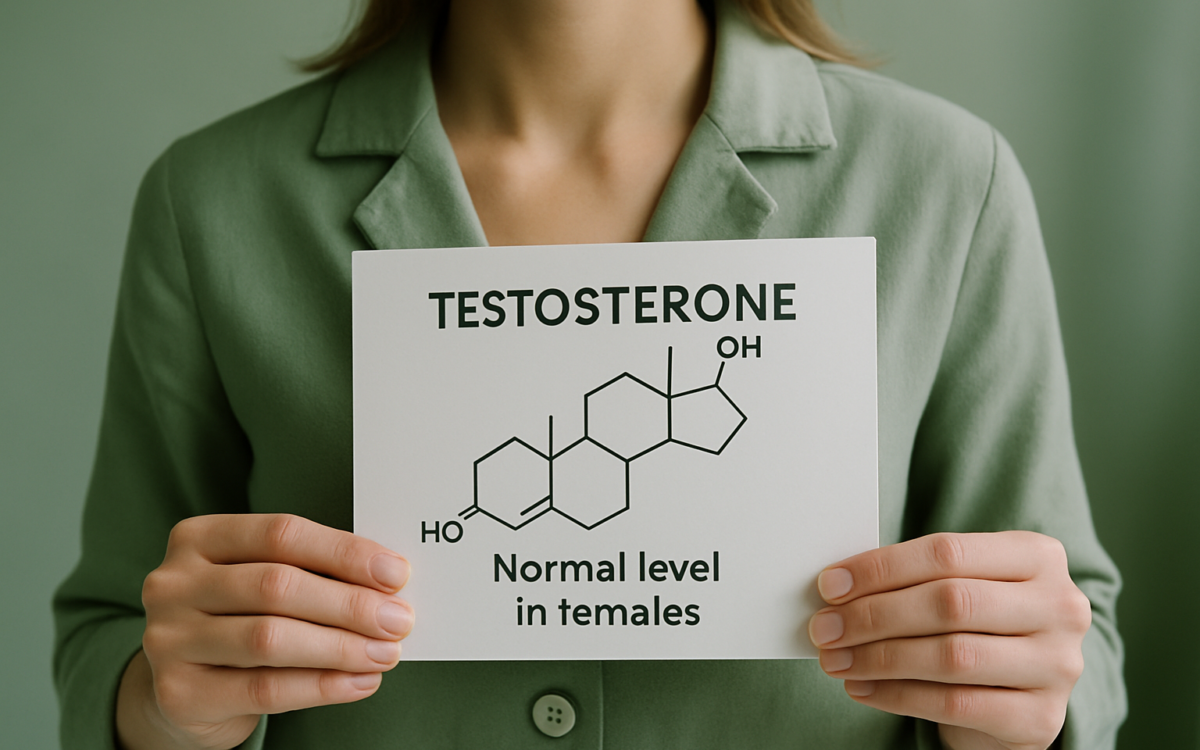
When we think of hormones, we often picture estrogen and progesterone as the key players in women’s health. However, testosterone, usually associated with men, also plays a crucial role in women’s health. Understanding what constitutes a normal level of testosterone in women is essential for recognizing how this hormone affects energy, mood, and overall well-being.
What is Testosterone?
Testosterone is a steroid hormone primarily produced in the ovaries and adrenal glands in women. It is often called a male hormone, but it is present in both males and females. Testosterone contributes to several bodily functions, including:
- Bone density
- Muscle strength
- Libido (sex drive)
- Fat distribution
- Mood regulation
In women, testosterone is vital for maintaining muscle mass, cognitive function, and energy levels. However, just how much testosterone is considered normal for women, and when should it be a concern?
Normal Testosterone Levels in Women
Normal testosterone levels in females vary depending on factors such as age and biological differences. Generally, the normal range for total testosterone in women is approximately 15 to 70 ng/dL (nanograms per deciliter). However, this can fluctuate based on various factors, including age, with levels often peaking in the 20s and declining as women approach menopause.
Here’s a general breakdown:
- Adolescents (ages 11-20): Approximately 20-75 ng/dL
- Young Women (ages 20-30): About 15-70 ng/dL
- Middle-Aged Women (ages 30-50): 15-60 ng/dL
- Post-Menopausal Women: Approximately 5-30 ng/dL
It’s essential to note that these levels can vary significantly from one individual to another. Consulting your healthcare provider for a personalized assessment of testosterone levels is crucial.
Why is Testosterone Important?
Testosterone is often overlooked in women, but it holds significant importance in various bodily functions. Here’s a closer look at why this hormone matters:
Energy and Motivation
Testosterone is linked to energy levels and motivation. Low testosterone can lead to fatigue, decreased motivation, and even mood swings.
Bone and Muscle Health
This hormone helps maintain bone density and muscle mass. Adequate levels are crucial in preventing osteoporosis and muscle loss as women age.
Sexual Health
Testosterone supports a healthy libido. Low levels may impact sexual desire and overall sexual satisfaction.
Causes of Low Testosterone in Women
Several factors can contribute to low testosterone levels in women:
- Age: As women age, especially during and after menopause, hormone levels naturally decline.
- Medical Conditions: Conditions such as polycystic ovary syndrome (PCOS), adrenal insufficiency, and other hormonal disorders can disrupt testosterone levels.
- Chronic Illness: Chronic health issues, including obesity and diabetes, can negatively affect hormone production.
- Stress: High stress can lead to hormonal imbalances, including testosterone.
Symptoms of Imbalanced Testosterone Levels
Recognizing the symptoms of abnormal testosterone levels is important for maintaining overall health. Here are some signs to be aware of:
Symptoms of Low Testosterone
- Fatigue or low energy
- Reduced sexual drive
- Muscle weakness
- Depression or mood swings
Symptoms of High Testosterone
- Excessive hair growth (hirsutism)
- Acne or oily skin
- Menstrual irregularities
- Loss of feminine traits
If you notice any of these symptoms, it may be worth discussing with a healthcare provider.
When to See a Doctor
If you suspect that you have low or high testosterone levels, it’s essential to consult a doctor. They can perform blood tests to measure your hormone levels and recommend any necessary lifestyle changes or treatments. Early diagnosis and intervention can make a significant difference in managing any related health issues.
Conclusion
Understanding what constitutes a normal level of testosterone in women is crucial for maintaining overall well-being. Regular check-ups and open conversations with your healthcare provider about symptoms and hormone levels are key to ensuring that you remain healthy. Remember, testosterone is not just a male hormone; it’s essential for women’s health too.
For more information on testosterone levels and overall women’s health, consider visiting reputable sources such as the National Institutes of Health or the Centers for Disease Control and Prevention.
