
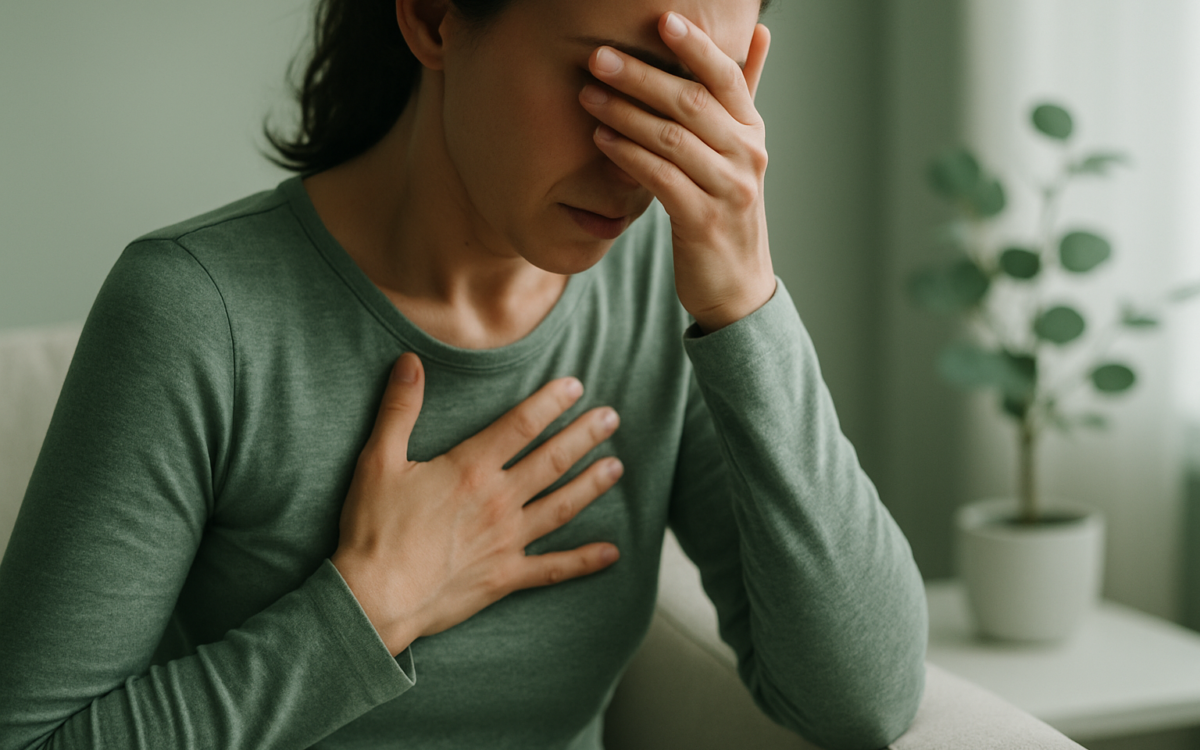
Panic attacks can be a frightening experience, often leaving individuals feeling overwhelmed and confused. When these attacks occur frequently, they may signify a broader issue known as panic attack anxiety disorder, which can interfere with daily life. Understanding the symptoms associated with this condition can help individuals recognize what they are feeling and when to seek help.
What Are Panic Attacks?
A panic attack is a sudden episode of intense fear or discomfort that peaks within minutes. During this time, individuals may experience a variety of physical and emotional symptoms, which can be distressing. Panic attacks can occur unexpectedly or be triggered by specific situations or stressors.
Common Symptoms of Panic Attack Anxiety Disorder
Panic attack anxiety disorder encompasses both panic attacks and persistent anxiety about experiencing additional attacks. Here are some common symptoms:
- Rapid Heartbeat: Often described as palpitations or a racing heart.
- Shortness of Breath: A feeling of choking or difficulty catching one’s breath.
- Sweating: Excessive sweating, even in cool temperatures.
- Trembling or Shaking: Notable shaking or trembling sensations.
- Chest Pain: Discomfort in the chest that may feel similar to a heart attack.
- Dizziness or Lightheadedness: A feeling of faintness or being unsteady.
- Nausea or Abdominal Distress: A sense of nausea or digestive issues.
- Feelings of Detachment: A sensation of unreality or being detached from oneself.
- Fear of Dying: An intense fear that something terrible is happening.
How Panic Attacks Affect Daily Life
For individuals with panic attack anxiety disorder, the fear of experiencing another attack can lead to significant changes in behavior. Some may avoid situations where they previously experienced a panic attack, or they might shy away from crowded places, transportation, or other triggers.
This avoidance can lead to a cycle of fear and anxiety that affects overall well-being. Many people may limit their social interactions or even develop agoraphobia, which is a fear of being in situations where escape might be difficult.
Triggers and Causes of Panic Attacks
Panic attacks can be triggered by a variety of factors. Stressful life events, such as the loss of a loved one, relationship issues, or job-related pressure, can increase the likelihood of experiencing panic attacks. Certain medical conditions and medications may also contribute to these episodes.
Although the exact cause of panic attack anxiety disorder is not fully understood, researchers believe that genetics, brain chemistry, and environmental stressors may play a role in developing the disorder. If you suspect that you may be experiencing panic attacks or anxiety, it’s important to seek help.
International Treatment Perspectives
While treatment for panic attack anxiety disorder is available in many countries, those seeking international options may consider traveling for specialized care. Facilities like acibademinternational.com offer comprehensive treatment plans that include therapy, medication management, and support groups, tailored to the individual’s needs.
Understanding that effective treatment can be found globally provides hope for those feeling lost or overwhelmed by their symptoms.
When to Seek a Doctor’s Help
If panic attacks are disrupting your daily life or you find yourself avoiding situations due to fear of an attack, it’s essential to consult a healthcare professional. They can evaluate your symptoms, conduct necessary tests, and recommend a treatment plan that works for you. Early intervention can improve outcomes and assist in managing anxiety effectively.
Conclusion
Panic attack anxiety disorder symptoms can be distressing and may have a significant impact on your quality of life. Recognizing these symptoms is the first step towards seeking help. If you or someone you know is struggling with panic attacks, reach out to a healthcare provider for guidance and support.
