
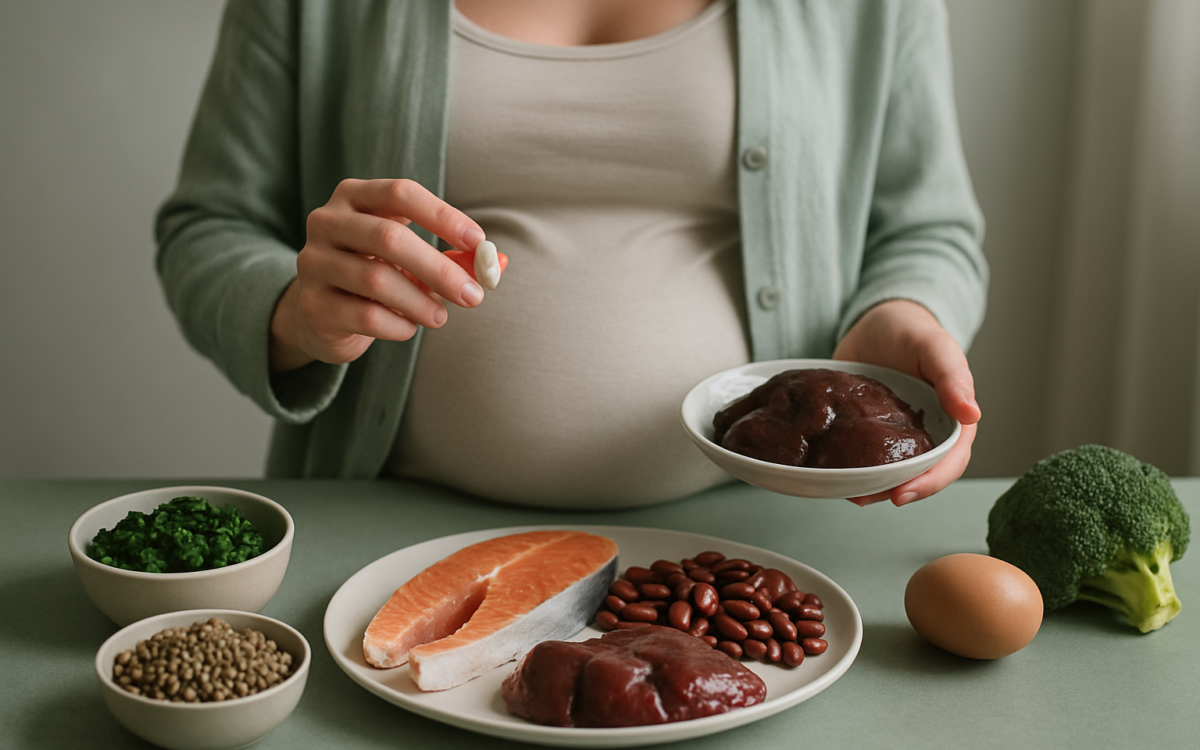
During pregnancy, a woman’s body undergoes significant changes to support the growing baby. One of the most crucial nutrients needed during this time is iron. Iron plays a vital role in producing hemoglobin, the protein in red blood cells that carries oxygen throughout the body. If you’re pregnant or planning to be, understanding which foods are high in iron can help keep you and your baby healthy.
Why is Iron Important During Pregnancy?
Iron is essential for several reasons during pregnancy:
- Supports increased blood volume: Pregnancy increases a woman’s blood volume by about 50%. This increased volume requires more iron to produce additional hemoglobin.
- Promotes fetal development: Iron is crucial for the baby’s growth and brain development, especially during the third trimester.
- Prevents anemia: Insufficient iron can lead to anemia, which can cause fatigue, weakness, and complications during delivery.
The CDC recommends pregnant women consume about 27 mg of iron daily. Ensure your diet includes ample sources of this vital mineral.
Top Food Sources of Iron
1. Red Meat
Red meat, such as beef and lamb, is one of the richest sources of heme iron, which is more easily absorbed by the body than non-heme iron found in plant sources. A 3-ounce cooked portion of beef can contain around 3 mg of iron, making it a fantastic choice for prenatal diets.
2. Poultry and Fish
Poultry, particularly chicken and turkey, as well as fish like tuna and salmon, provide excellent heme iron. A serving of cooked chicken can offer approximately 1-2 mg of iron. Additionally, fish provides other essential nutrients like omega-3 fatty acids, which are beneficial for both mother and baby.
3. Legumes and Pulses
For those following a vegetarian or vegan diet, legumes and pulses are outstanding sources of non-heme iron. Foods like lentils, chickpeas, and beans contain about 3-6 mg of iron per cup when cooked. Pairing these foods with vitamin C-rich options, like citrus fruits or bell peppers, can enhance iron absorption.
4. Leafy Greens
Dark leafy greens such as spinach, kale, and Swiss chard are nutrient powerhouses loaded with iron. A cup of cooked spinach can provide approximately 6 mg of iron. Furthermore, these greens are also rich in vitamins A and C, which support overall health during pregnancy.
5. Fortified Cereals
Many breakfast cereals are fortified with iron, making them an easy way to include this nutrient in your diet. Some cereals can have as much as 18 mg of iron per serving. Be sure to check the nutritional labels to find options that align with your iron needs. Enjoying these cereals with vitamin C-rich fruits like strawberries or oranges can further enhance iron absorption.
6. Nuts and Seeds
Nuts and seeds, especially pumpkin seeds, cashews, and almonds, are great snacks that also provide iron. A 1-ounce serving of pumpkin seeds contains about 2.5 mg of iron. These can easily be incorporated into your diet; sprinkle them on salads, yogurt, or oats for a nutritious boost.
Understanding Iron Absorption
Not all iron is created equal. Heme iron from animal sources is absorbed better than non-heme iron from plant sources. To maximize iron absorption, consider the following:
- Combine iron-rich foods with vitamin C: This is essential as vitamin C increases the absorption of non-heme iron. Pair legumes with a side of bell peppers or citrus fruits to enhance your intake.
- Avoid calcium and certain drinks at the same time: Calcium can inhibit the absorption of iron, so avoid dairy products around the same time you eat iron-rich meals. Additionally, tea and coffee can hinder iron absorption due to their tannin content, so it’s wise to consume them separately.
Considerations for Vegetarians and Vegans
Pregnant women following vegetarian or vegan diets need to be especially mindful of their iron intake. Here are some tips to ensure you’re getting enough iron:
- Focus on rich plant sources: Include plenty of beans, lentils, tofu, quinoa, and fortified cereals.
- Pair with vitamin C: As mentioned earlier, combining non-heme iron sources with vitamin C can boost absorption. Include foods like tomatoes, peppers, or broccoli in your meals.
- Consider supplements: If you struggle to meet your iron needs through diet alone, consult your healthcare professional about iron supplementation.
When to See a Doctor
If you experience symptoms such as extreme fatigue, weakness, shortness of breath, or pale skin, these may indicate low iron levels. It’s important to consult your doctor for proper testing and guidance.
Conclusion
Iron is a vital nutrient for pregnant women, supporting both maternal health and fetal development. By including a variety of iron-rich foods in your diet and being mindful of how you consume them, you can help ensure you’re getting enough iron during this crucial time. Always consult your healthcare provider if you have concerns about your iron levels or dietary needs during pregnancy. For more information about iron requirements, resources like the Mayo Clinic provide evidence-based guidelines.
