
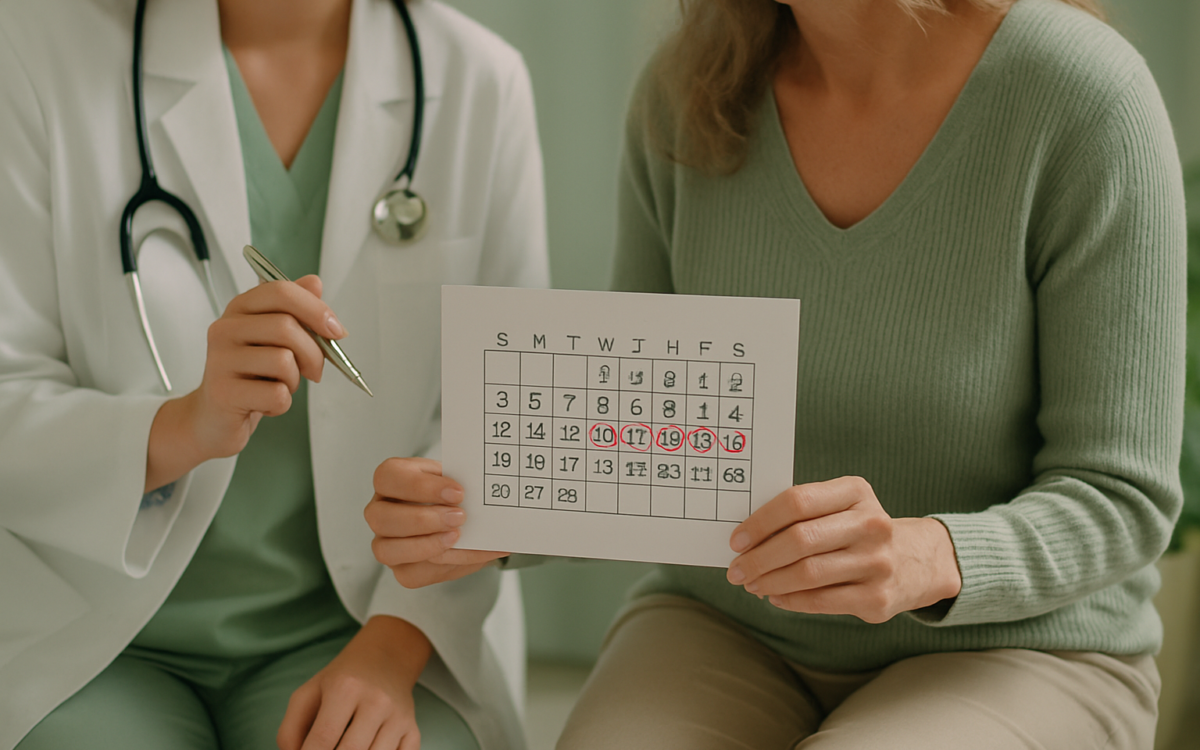
Perimenopause, the transitional phase leading up to menopause, can be a confusing time for many women. This period can start as early as your mid-30s and last until your late 40s or even into your early 50s. Understanding what perimenopause looks like can empower you to navigate this natural phase of life more confidently. Here, we’ll explore common signs of perimenopause, how it affects your body, and when you might want to consult a healthcare professional.
What is Perimenopause?
Perimenopause is the time during which your body makes the natural transition to menopause. During this stage, hormonal fluctuations occur as your ovaries gradually produce less estrogen. These changes might lead to a variety of physical and emotional symptoms. Generally, perimenopause can last from a few months to several years, culminating in menopause, which is defined as the point when you have not had a menstrual period for 12 consecutive months.
Common Symptoms of Perimenopause
Recognizing the signs of perimenopause is important. While every woman’s experience can vary, some common symptoms include:
- Irregular Periods: One of the earliest signs of perimenopause is a change in your menstrual cycle. You might notice that your periods become shorter or longer, lighter or heavier, or irregular.
- Hot Flashes: Sudden feelings of warmth, often accompanied by sweating, and sometimes night sweats that can disrupt your sleep.
- Mood Changes: Hormonal fluctuations during perimenopause can affect your mood, causing irritability, anxiety, or even depression in some women.
- Sleep Disturbances: Difficulty sleeping, including insomnia or frequent waking, can occur during perimenopause.
- Changes in Sexual Function: You may experience changes in sexual desire, and vaginal dryness may become more common due to decreased estrogen levels.
- Memory and Concentration Issues: Some women report having trouble with memory and concentration during perimenopause, often referred to as “brain fog.”
How Hormonal Changes Affect Your Body
During perimenopause, your estrogen levels can fluctuate significantly. These hormonal changes are responsible for many of the symptoms mentioned above. Estrogen plays a crucial role in regulating your menstrual cycle and has broader effects on your body, including:
- Bone Health: As estrogen levels decline, your risk of developing osteoporosis increases, making it important to maintain healthy bones.
- Heart Health: Lowered estrogen levels can also affect cardiovascular health, increasing the risk of heart disease.
- Mood Regulation: Estrogen impacts neurotransmitters in the brain, which can influence mood and emotional well-being.
Differences Between Perimenopause and Menopause
While perimenopause is the transitional phase leading up to menopause, it’s essential to recognize the differences. Menopause is a specific moment in time—12 consecutive months without a menstrual period. In contrast, perimenopause can encompass a range of experiences:
- Timing: Perimenopause usually begins in your 30s or 40s, while menopause typically occurs around age 51.
- Duration: Perimenopause can last several years, whereas menopause is a singular event.
- Symptoms: During perimenopause, symptoms can be more variable and pronounced, whereas menopause may lead to more consistent changes.
Managing Perimenopause Symptoms
While perimenopause can bring discomfort, there are several ways to manage symptoms:
- Healthy Lifestyle Choices: Eating a balanced diet, maintaining a healthy weight, and getting regular exercise can help improve your overall health and well-being during this transition.
- Stress Management: Practices like yoga, meditation, and deep breathing can help manage emotional fluctuations and stress.
- Consulting a Healthcare Provider: Discussing symptoms with a doctor can help you explore options like hormone therapy or other treatments to alleviate severe symptoms.
When to See a Doctor
It’s essential to consult a healthcare professional if you start experiencing significant changes or symptoms that interfere with your daily life. Some situations to consider include:
- If your menstrual cycles become highly irregular or you experience excessive bleeding.
- If you’re struggling with severe mood swings or depression that disrupt your daily activities.
- If hot flashes or night sweats get in the way of sleep or overall quality of life.
- If you’re unsure whether you are in perimenopause or menopause and would like more information on what to expect.
You can find additional information on perimenopause and other related topics on resources from the NIH and the World Health Organization.
Conclusion
Understanding perimenopause is the first step to managing this stage of life effectively. With knowledge of the signs and symptoms, you can approach this transition more prepared and informed. Always remember, discussing any changes or concerns with a healthcare provider can lead to better management of your health during this time.
