
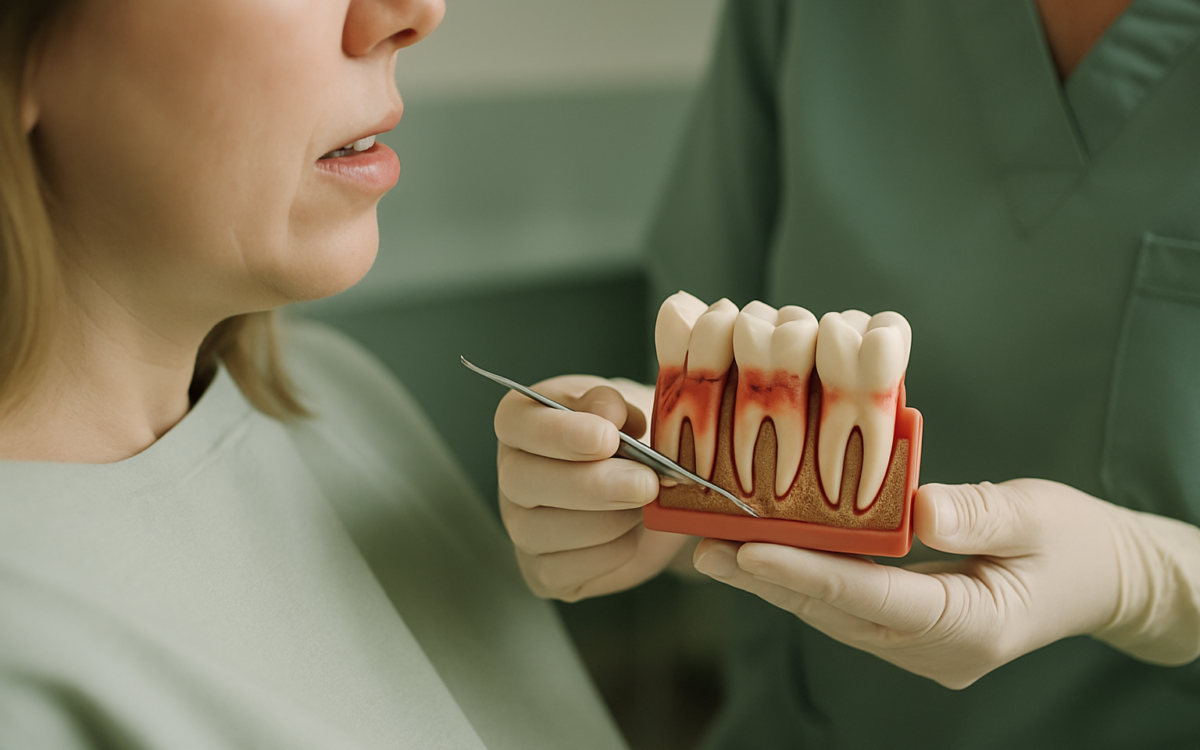
Our smiles are often the first thing people notice about us, but many overlook the health of their gums, which play a vital role in oral health. Periodontal disease, a serious gum infection, can lead to tooth loss and affect overall health if left untreated. Understanding this condition is essential for maintaining your smile and wellbeing.
What is Periodontal Disease?
Periodontal disease, commonly known as gum disease, refers to infections of the structures around the teeth. It begins with gingivitis, an inflammation of the gums caused by a buildup of plaque, which is a sticky film of bacteria. When gingivitis advances, it can lead to periodontitis, a more severe form of the disease that can damage the bone and tissue supporting the teeth.
Causes of Periodontal Disease
The primary cause of periodontal disease is the accumulation of plaque on the teeth. However, various factors can increase your risk, including:
- Poor oral hygiene: Inadequate brushing and flossing allow plaque to build up.
- Tobacco use: Smoking or chewing tobacco can weaken your gums and make them more susceptible to infection.
- Genetics: Some people are more likely to develop gum disease due to inherited traits.
- Hormonal changes: Changes during pregnancy, menstruation, or menopause can affect gum health.
- Medical conditions: Diseases like diabetes and autoimmune disorders can exacerbate gum issues.
- Medications: Certain drugs can impact your salivary flow, which helps protect gums.
Signs and Symptoms
Early stages of periodontal disease may not present noticeable symptoms, making it essential to consult a dentist regularly. However, as the disease progresses, you might experience:
- Swollen or tender gums
- Bleeding while brushing or flossing
- Persistent bad breath or a bad taste in the mouth
- Receding gums or teeth that appear longer
- Loose or shifting teeth
Diagnosis and Treatment
A dentist typically diagnoses periodontal disease through a comprehensive oral examination that includes checking the gum condition and measuring the depth of the pockets around each tooth. In some cases, X-rays may be used to assess the health of the jawbone.
Treatment options depend upon the severity of the disease and may include:
- Professional cleaning: Regular cleanings by a dental hygienist can remove plaque and tartar buildup.
- Scaling and root planing: A deeper clean that removes tartar from below the gum line.
- Medications: Antibiotics may be prescribed to help control bacterial infection.
- Surgery: In advanced cases, surgical interventions might be necessary to restore damaged gums.
Prevention Strategies
Preventing periodontal disease is largely about maintaining good oral hygiene and making healthy lifestyle choices. Consider these strategies:
- Brush regularly: Brush your teeth twice a day with fluoride toothpaste.
- Floss daily: Flossing removes plaque between the teeth, where a toothbrush can’t reach.
- Visit your dentist: Regular check-ups and cleanings will help catch potential issues early.
- Quit smoking: If you smoke, seek help to quit; it’s one of the best things you can do for your gum health.
- Eat a balanced diet: Proper nutrition supports overall health, including your gums.
Impact on Overall Health
You might be surprised to learn that periodontal disease doesn’t just affect your mouth; it has been linked to several other health conditions. Research shows that the bacteria causing gum disease can enter the bloodstream, potentially leading to:
- Heart disease: Inflammation caused by gum disease may increase your risk for heart conditions.
- Diabetes: Gum disease can complicate blood sugar control, creating a vicious cycle of health issues.
- Respiratory disease: Bacteria from the mouth can be inhaled into the lungs, causing respiratory infections.
For this reason, maintaining good gum health is crucial for your overall wellbeing.
When to See a Doctor
If you notice any symptoms of periodontal disease, such as bleeding gums or persistent bad breath, it’s important to consult a dentist. Early intervention is key to preventing further complications.
In conclusion, understanding periodontal disease and its effects on your oral and overall health is crucial. By taking proactive steps in your dental care, you can protect your smile and maintain your well-being. For more detailed information, consider consulting reputable resources such as the CDC or Mayo Clinic.
