
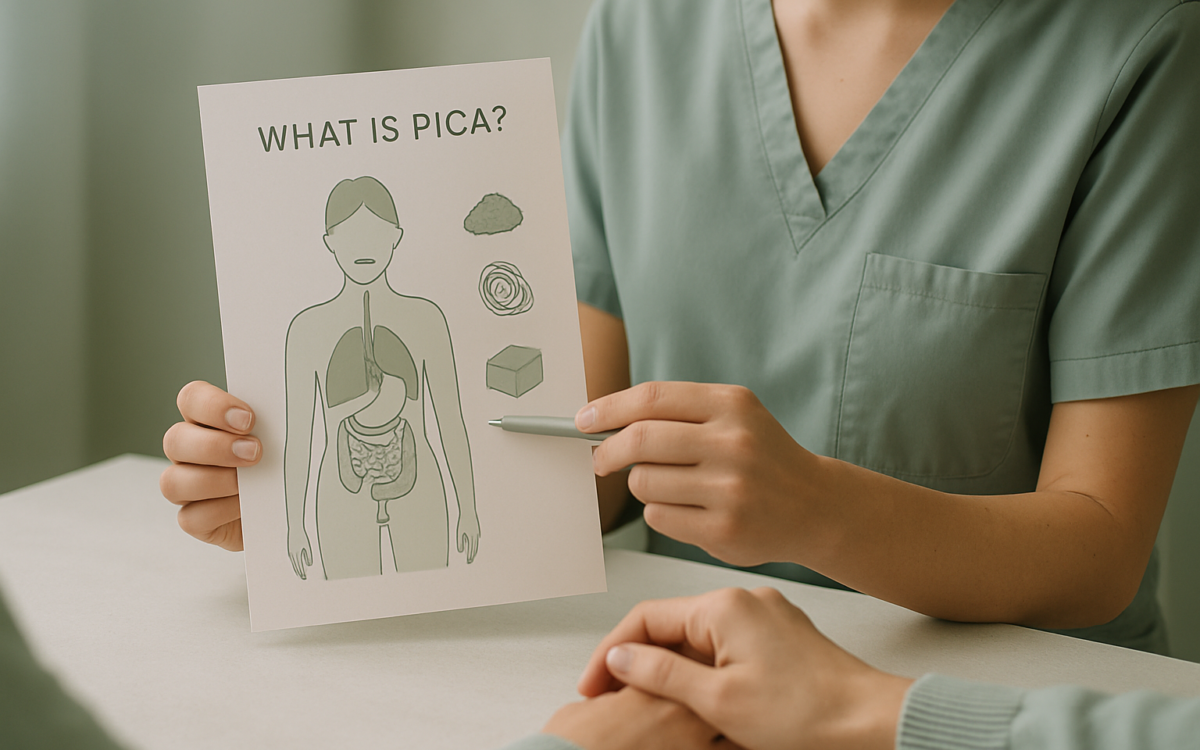
When it comes to women’s health, understanding various medical terms and conditions is vital. One such topic that’s been gaining attention is PIKOS, which stands for Polycystic Ovary Syndrome. In this article, we will delve into what PIKOS is, its causes, symptoms, and the ways it affects women’s health.
Defining PIKOS
Polycystic Ovary Syndrome (PIKOS) is a hormonal disorder that affects women of reproductive age. It is characterized by a combination of symptoms that can impact physical, emotional, and reproductive health. Women with PIKOS may experience irregular menstrual cycles, excess androgen levels, and polycystic ovaries, which means that their ovaries contain many small cysts.
Causes of PIKOS
The exact cause of PIKOS remains unclear, but several factors are believed to contribute to its development. These may include:
- Genetics: PIKOS tends to run in families, suggesting a genetic component.
- Insulin Resistance: Many women with PIKOS have insulin resistance, which can lead to higher insulin levels and, consequently, increased androgen production.
- Inflammation: Some studies indicate that low-grade inflammation might play a role in the pathology of PIKOS.
Understanding these contributing factors can provide insight into the complexities of this condition and highlight the need for personalized management approaches.
Symptoms of PIKOS
Women with PIKOS may experience a variety of symptoms, which can vary widely in severity. Common symptoms include:
- Irregular Periods: Women might miss periods or experience unusually light or heavy bleeding.
- Weight Gain: Many women with PIKOS struggle with weight gain or obesity, often related to insulin resistance.
- Excess Hair Growth: High levels of androgens can lead to hirsutism, or excessive hair growth in areas where men typically develop hair.
- Acne and Oily Skin: Increased androgen levels may cause skin changes and acne.
- Thinning Hair: Some women may notice hair loss or thinning hair.
It is essential to recognize these symptoms as they can impact not only physical well-being but also emotional health.
Diagnosing PIKOS
Diagnosing PIKOS typically involves a combination of physical examinations, medical history assessments, and laboratory tests. A healthcare provider may look for:
- Irregular or absent menstrual cycles
- High levels of androgens as determined by blood tests
- Ultrasound findings that show cysts on the ovaries
The diagnostic criteria, often referred to as the Rotterdam criteria, require the presence of at least two of the three key features: ovulatory dysfunction, clinical or biochemical signs of hyperandrogenism, and polycystic ovaries.
Managing PIKOS
While there is no cure for PIKOS, many effective management strategies can help alleviate symptoms and reduce the risk of complications:
- Lifestyle Modifications: Weight management through a balanced diet and regular exercise is crucial. Even a modest weight loss can improve symptoms.
- Medications: Healthcare providers may prescribe hormonal contraceptives to regulate menstrual cycles and reduce androgen levels. Other medications may include anti-androgens to address excessive hair growth.
- Fertility Treatment: Women looking to conceive may explore options such as ovulation-inducing medication or assisted reproductive technology.
Effective management of PIKOS often involves a multidisciplinary approach, combining advice from various healthcare professionals.
Potential Complications of PIKOS
Left unmanaged, PIKOS can lead to several long-term health complications, including:
- Infertility: Irregular ovulation can make it difficult for a woman to conceive.
- Metabolic Syndrome: PIKOS increases the risk of weight gain and insulin resistance, contributing to metabolic syndrome, which is associated with cardiovascular disease.
- Endometrial Cancer: Prolonged exposure to unopposed estrogen due to irregular menstruation can increase the risk of endometrial cancer.
Awareness of these potential complications emphasizes the importance of seeking timely medical attention and monitoring health regularly.
When to See a Doctor
If you are experiencing symptoms commonly associated with PIKOS, such as irregular periods, excessive hair growth, or drastic changes in weight, it would be prudent to consult your healthcare provider. Early diagnosis and intervention can help manage symptoms effectively and reduce the risk of complications. Keeping an open dialogue with your doctor about your symptoms and health concerns is vital.
In conclusion, PIKOS is a complex condition that affects many women. Understanding its symptoms, causes, and management options can empower women to take charge of their health. Always remember to engage in dialogue with your healthcare provider for tailored and informed health strategies.
