
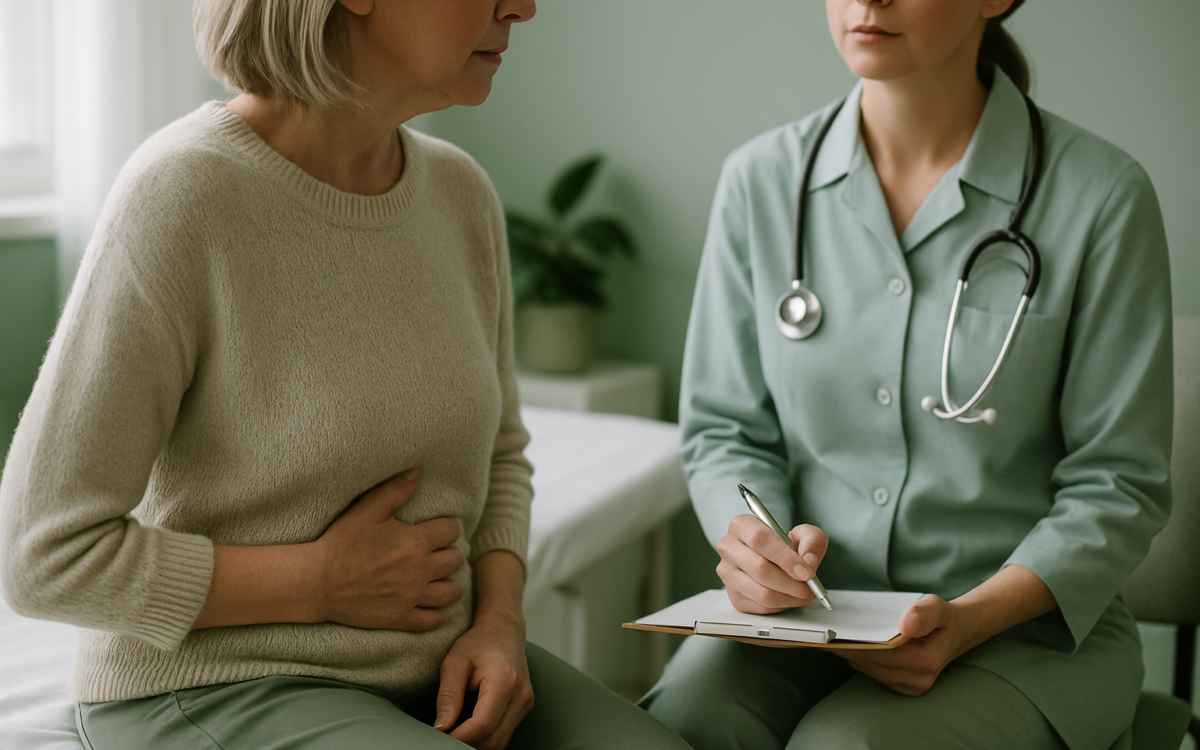
The journey of a woman’s life involves many stages, with menopause being a significant marker of maturity. This natural transition typically occurs between the ages of 45 and 55, representing the end of a woman’s reproductive years. Understanding the age of menopause, along with its symptoms and implications, can help empower women as they navigate this important phase of life.
What is Menopause?
Menopause is defined as the time when a woman has not had her menstrual period for 12 consecutive months. It signifies the end of the menstrual cycle and is associated with a decrease in the hormones estrogen and progesterone, produced by the ovaries. The average age of menopause is around 51 in the United States, but it can vary greatly from woman to woman based on various factors, including genetics, health, and lifestyle.
The Different Phases of Menopause
Menopause is not a sudden event; it occurs in stages. Understanding these phases can provide clarity on what to expect.
1. Perimenopause
This is the transitional phase leading up to menopause, which can begin several years before a woman’s last period. During perimenopause, hormonal fluctuations can lead to irregular menstrual cycles and various symptoms such as hot flashes, mood swings, and sleep disturbances. On average, perimenopause can start in a woman’s 40s, but some experience changes earlier.
2. Menopause
This is the point when a woman officially has menopause, marked by an absence of menstrual periods for a full year. For most women, menopause occurs between the ages of 45 and 55, but early menopause can occur due to factors such as genetics or certain medical conditions.
3. Postmenopause
After menopause, women enter the postmenopausal phase. Although menstrual periods have stopped, some symptoms may continue due to the hormonal changes. This stage can last for years, and some women may experience changes in their health, including an increased risk of osteoporosis and heart disease.
Factors Affecting the Age of Menopause
Several factors can influence when a woman experiences menopause:
- Genetics: Family history can play a significant role. If your mother or sister experienced early menopause, you might too.
- Health Conditions: Certain medical conditions, like autoimmune diseases or thyroid disorders, can affect menopause timing.
- Surgical Interventions: Women who undergo a hysterectomy with the removal of ovaries will enter menopause immediately, regardless of age.
- Smoking: Research indicates that women who smoke may experience menopause earlier than non-smokers.
- Body Weight: Some studies suggest that women with a higher body mass index (BMI) may experience menopause later than those who are underweight.
Symptoms of Menopause
As women approach menopause, various symptoms may arise due to hormonal changes. Some of the most common symptoms include:
- Hot Flashes: Sudden feelings of warmth that can cause sweating and discomfort.
- Night Sweats: Hot flashes that occur during sleep, potentially disrupting rest.
- Irregular Periods: Changes in menstrual cycle frequency and flow.
- Mood Changes: Increased anxiety, irritability, or mood swings.
- Difficulty Sleeping: Insomnia or disrupted sleep patterns.
- Vaginal Dryness: Reduced estrogen can lead to vaginal dryness, making intercourse uncomfortable.
While some women may experience mild symptoms, others may find them more severe. It’s important to talk to a healthcare provider about what is normal and what can sometimes be managed effectively.
Health Considerations Post-Menopause
The years following menopause can present unique health challenges. Decreased levels of estrogen can lead to changes in bone density and heart health:
- Bone Health: Postmenopausal women are at an increased risk of osteoporosis, a condition that weakens bones and makes them more prone to fractures.
- Heart Health: The risk of heart disease increases after menopause, as estrogen plays a role in heart health.
Establishing healthy lifestyle practices, including a balanced diet, regular exercise, and routine health screenings, can greatly impact overall health and well-being during this time.
When to See a Doctor
It’s advisable for women to consult their healthcare provider if they experience any of the following:
- Severe symptoms that disrupt daily life.
- Changes in menstrual cycles that are unusual.
- Unexplained weight gain or loss.
- Concern about symptoms or health changes post-menopause.
Your doctor can help evaluate symptoms and recommend appropriate management strategies tailored to individual needs.
Understanding the age of menopause and the phases surrounding it can empower women to take charge of their health and well-being during this transition. Whether experiencing perimenopause, actively navigating menopause, or embracing the postmenopausal years, knowledge is key to a smoother journey.
