
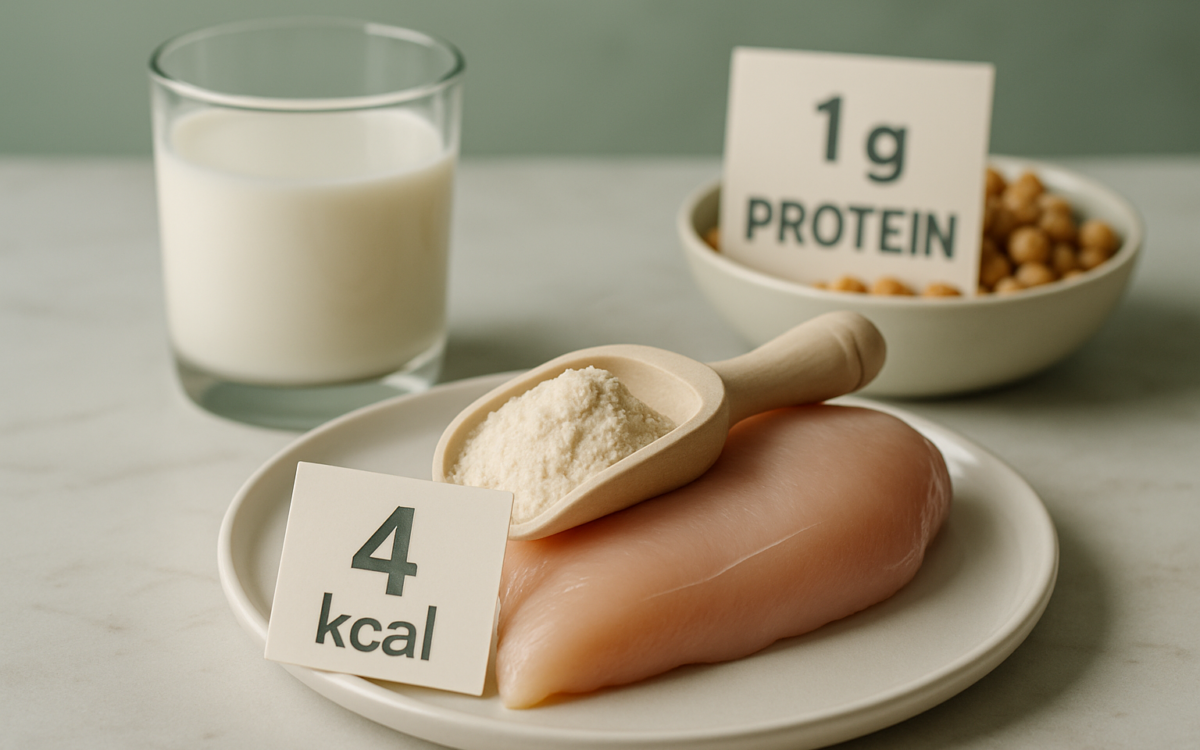
When it comes to maintaining a healthy lifestyle, understanding the role of macronutrients is crucial. One of the most discussed is protein. Whether you’re a fitness enthusiast, a casual gym-goer, or simply someone curious about nutrition, you might wonder, “How many calories are in a gram of protein?” This article breaks down the science behind protein and its caloric content, helping you grasp why it matters for your diet.
What Are Macronutrients?
Before diving into protein specifics, let’s clarify macronutrients. Your body needs three primary types of macronutrients for energy: carbohydrates, fats, and proteins. Each of these provides a certain number of calories:
- Carbohydrates: 4 calories per gram
- Protein: 4 calories per gram
- Fat: 9 calories per gram
Understanding these values helps you balance your meals and select foods that meet your dietary goals.
How Many Calories in a Gram of Protein?
As mentioned, protein provides 4 calories per gram. This is a straightforward measure that can simplify your dietary planning. If you consume 20 grams of protein, you’re getting 80 calories from that source alone. This principle applies consistently across different types of protein, whether they come from meat, legumes, or plant-based sources.
The Importance of Protein in Your Diet
Now that you know how many calories come from protein, let’s explore why protein is important:
- Muscle Repair: One of the primary roles of protein is to help repair and build muscle tissues. This is especially important after physical activity.
- Satiety: Protein can help you feel fuller longer, which may aid in weight management.
- Metabolism Boost: Digesting protein burns more calories than digesting carbohydrates or fats, helping to increase your overall calorie expenditure.
Whether you aim for muscle gain or weight loss, incorporating an adequate amount of protein in your diet is essential.
Choosing Quality Protein Sources
Not all protein sources are created equal. Here are some categories of protein, along with examples:
Animal-Based Proteins
- Meat: Chicken, beef, and pork are excellent sources of protein.
- Fish: Salmon, tuna, and tilapia provide high protein along with beneficial omega-3 fatty acids.
- Dairy: Foods like yogurt, cheese, and milk are nutritious options.
Plant-Based Proteins
- Legumes: Beans, lentils, and peas offer significant protein and fiber.
- Nuts and Seeds: Almonds, chia seeds, and hemp seeds are great snacks that also provide protein.
- Whole Grains: Foods like quinoa and brown rice contain protein along with carbohydrates.
Choosing a mix of protein sources can enhance your nutrient intake, ensuring you receive a comprehensive spectrum of amino acids.
How to Incorporate Protein into Your Diet
Adding protein to your meals doesn’t have to be complicated. Here are some practical tips:
- Start Your Day Right: Incorporate eggs or Greek yogurt for breakfast.
- Snack Wisely: Choose nuts or protein bars as snacks instead of chips or cookies.
- Think Meals: Add beans to salads, or choose lean meats for your main dishes.
Gradually increasing your protein intake can help you meet your health goals without feeling deprived.
Common Myths About Protein
There are many misconceptions regarding protein. Understanding the facts can lead to better dietary choices:
- Myth: You need protein supplements to build muscle.
- Fact: Whole foods usually provide sufficient protein for most people.
- Myth: Eating too much protein is harmful.
- Fact: While excessive protein isn’t necessary, moderate increases can be safe for most healthy individuals.
By separating fact from fiction, you can develop a balanced perspective on protein and its role in your diet.
When to See a Doctor
If you’re unsure about your protein needs or if you have specific dietary concerns, it’s wise to consult a healthcare professional. Conditions such as kidney disease, certain metabolic disorders, or allergies may require special dietary management. Speaking with a nutritionist or doctor can ensure that you’re making the best choices for your health.
In conclusion, understanding that there are 4 calories in every gram of protein can help you make informed food choices. Recognizing the importance of protein not only helps in maintaining muscle and feeling full, but it can also energize your body. By choosing quality sources and incorporating them into your meals, you can enjoy the many benefits protein has to offer. Always remember, a balanced approach to nutrition is key to achieving optimal health.
