
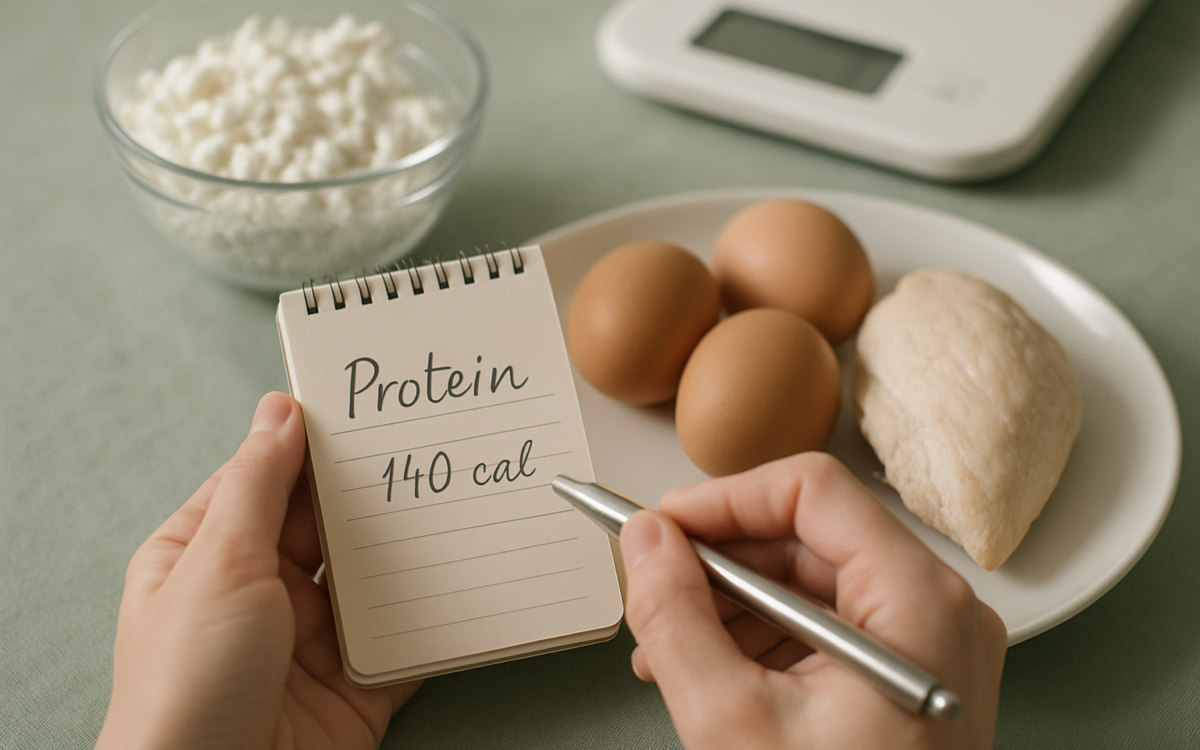
Protein is a vital macronutrient that plays many roles in our body, from building and repairing tissues to supporting our immune system. But for those looking to maintain or lose weight, understanding how many calories are in protein is crucial. This article will break down protein’s calorie content, its importance in your diet, and how it fits into your overall nutritional needs.
What Are Calories?
Calories are a measurement of energy. The body needs energy to function, and we obtain this energy from the food we consume. Each macronutrient – carbohydrates, fats, and proteins – provides a different number of calories per gram. Understanding how many calories each food item has can help you make healthier dietary choices.
How Many Calories Are in Protein?
Protein contains 4 calories per gram. This means that if you consume a food rich in protein, such as chicken, fish, legumes, or nuts, you can calculate the calorie content based on the protein amount. For example:
- 100 grams of chicken breast (about 31 grams of protein) contains 124 calories from protein.
- 100 grams of Greek yogurt (about 10 grams of protein) amounts to 40 calories from protein.
- 100 grams of lentils (about 9 grams of protein) offers around 36 calories from protein.
These values can vary depending on the preparation method and additional ingredients.
Why Is Protein Important?
Protein supports numerous functions in the body, including:
- Building and Repairing Tissues: Protein aids in the growth and repair of muscle tissues, making it essential for athletes and active individuals.
- Immune Function: Antibodies, which help fight off infections, are proteins. Having adequate protein intake is vital for a well-functioning immune system.
- Enzymatic Reactions: Many enzymes, which are proteins themselves, facilitate biochemical reactions in our cells.
- Energy: While carbohydrates and fats are the primary energy sources, protein can serve as an energy source when necessary.
Incorporating enough protein into your diet can also promote satiety, helping you feel full and satisfied, which can aid in weight management.
Protein Sources and Their Caloric Content
Not all protein sources are created equal in terms of calories. Here’s a quick look at some common protein sources, their protein content, and the calories they contribute:
Animal-based Sources
- Chicken Breast (cooked): About 31g of protein per 100g, ~165 calories total.
- Salmon (cooked): Roughly 25g of protein per 100g, ~206 calories total.
- Eggs: Each large egg has about 6g of protein, contributing approximately 70 calories.
Plant-based Sources
- Quinoa: Contains about 4g of protein per 100g, with ~120 calories in total.
- Chickpeas (cooked): Approximately 9g of protein in 100g, totaling ~164 calories.
- Almonds: Provide 21g of protein per 100g, along with ~579 calories.
As you can see, various protein sources offer different caloric densities. When planning your meals, it’s essential to consider not just the amount of protein, but also the overall caloric content.
Daily Protein Needs
Your protein needs may vary based on factors such as age, sex, and level of physical activity. Generally, adults are recommended to get around 10% to 35% of their daily calories from protein, according to the National Institutes of Health. Here’s a quick rule of thumb:
- For sedentary adults: about 0.8 grams of protein per kilogram of body weight.
- For active individuals and athletes: 1.2 to 2.0 grams of protein per kilogram of body weight, depending on the intensity and frequency of training.
If you’re unsure how much protein you should be consuming, consider consulting with a registered dietitian or healthcare provider.
Balancing Protein with Other Nutrients
While protein is essential, it’s important to maintain a balanced diet that includes a variety of nutrients. Carbohydrates provide energy, while fats support cell function and help absorb certain vitamins. Here are some tips for balancing protein with other macronutrients:
- Incorporate a mix of protein sources, both animal and plant-based, to ensure you’re getting all the necessary amino acids.
- Pair protein-rich foods with whole grains, fruits, and vegetables to create nutrient-dense meals.
- Monitor portion sizes to maintain a balanced caloric intake without overloading on any one macronutrient.
Consulting with a healthcare professional can help tailor your diet based on your personal health needs and goals.
When to See a Doctor
If you are experiencing unexplained weight changes, changes in appetite, digestive issues, or muscle weakness, consult a healthcare provider. They can assess your dietary needs and help determine if there are underlying health concerns.
In conclusion, protein is a crucial part of our diet that provides essential calories and supports various bodily functions. Understanding the calorie content in protein can help you make better dietary choices, leading to improved overall health. Remember, balance is key, and it’s always a good idea to consult with a professional regarding your nutritional needs.
