
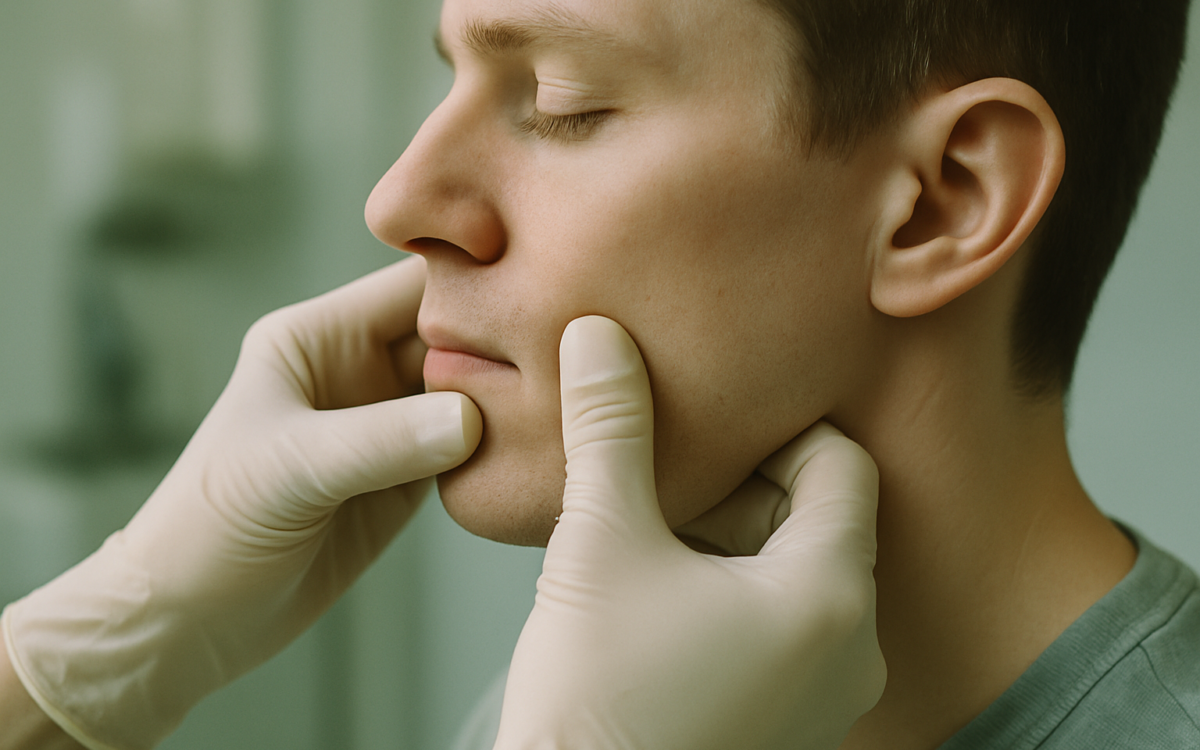
The recessed maxilla, or maxillary retrusion, is a condition in which the upper jaw (maxilla) is positioned further back than normal in relation to the lower jaw (mandible). This condition can have aesthetic and functional implications, affecting not just the face’s appearance but also overall health. Understanding the causes, signs, and treatment options for recessed maxilla can empower individuals to seek the right care.
What Causes Recessed Maxilla?
Several factors can contribute to the development of a recessed maxilla. They can be broadly categorized into genetic, environmental, and behavioral influences.
- Genetics: Family history plays a significant role, as certain inherited traits can lead to maxillary retrusion.
- Jaw Development: Discrepancies in jaw growth can result from improper development during childhood. Conditions like cleft palate may also alter jaw alignment.
- Prolonged Habits: Encourage habits such as thumb sucking or prolonged pacifier use can hinder proper jaw development.
Signs and Symptoms of Recessed Maxilla
The signs of a recessed maxilla can vary from person to person, but some common symptoms include:
- Facial Appearance: A prominent chin or uneven jawline may be noticeable.
- Difficulty Chewing or Biting: Misalignment can lead to trouble with biting and chewing food, which can cause discomfort.
- Speech Impediments: Some individuals might have trouble pronouncing certain words or sounds due to tongue placement.
- Chronic Congestion or Breathing Issues: A recessed maxilla can impact airflow, leading to breathing difficulties.
The Health Impact of a Recessed Maxilla
A recessed maxilla can affect not only appearance but also overall health and wellness. Untreated maxillary retrusion can lead to:
- Dental Problems: Malocclusion, or improper alignment of teeth, can lead to wear and tear, cavities, and increased gum disease risk.
- Jaw Pain: Imbalances in jaw position can cause temporomandibular joint (TMJ) disorders, resulting in pain and discomfort.
- Sleep Apnea: The alignment can contribute to obstructive sleep apnea, leading to disrupted sleep patterns and fatigue.
Diagnosis of Recessed Maxilla
Diagnosing recessed maxilla typically involves a comprehensive examination by a dental or orthodontic professional. The evaluation may include:
- Medical and Dental History: Discussing symptoms, family history, and previous dental treatments.
- Physical Examination: A visual check of facial structures and alignment.
- X-rays or Imaging: Imaging tests may be used to assess jaw alignment and structural issues more closely.
Treatment Options for Recessed Maxilla
Depending on the severity of the condition, various treatment options may be available, including:
- Orthodontic Treatment: Braces or aligners may help reposition teeth and improve jaw alignment over time.
- Orthognathic Surgery: In more severe cases, surgical intervention may be necessary to reposition the maxilla for better alignment.
- Facial Aesthetic Procedures: Some may opt for cosmetic procedures to improve jaw appearance.
It’s essential for individuals considering treatment to discuss their options thoroughly with qualified healthcare professionals.
When to See a Doctor
If you notice symptoms of a recessed maxilla, such as jaw pain, difficulty chewing, or issues with speech, it’s a good idea to consult a medical professional. Early diagnosis and intervention can help manage symptoms and improve quality of life.
Conclusion
Understanding recessed maxilla is crucial for those who may be experiencing its effects. By recognizing the signs, symptoms, and available treatments, individuals can make informed decisions about their health. Whether through orthodontics, surgery, or lifestyle changes, addressing a recessed maxilla can lead to improved health and self-esteem.
For more information on maxillary retrusion and its impacts, consider checking resources from reputable organizations like the NIH or the Mayo Clinic.
