
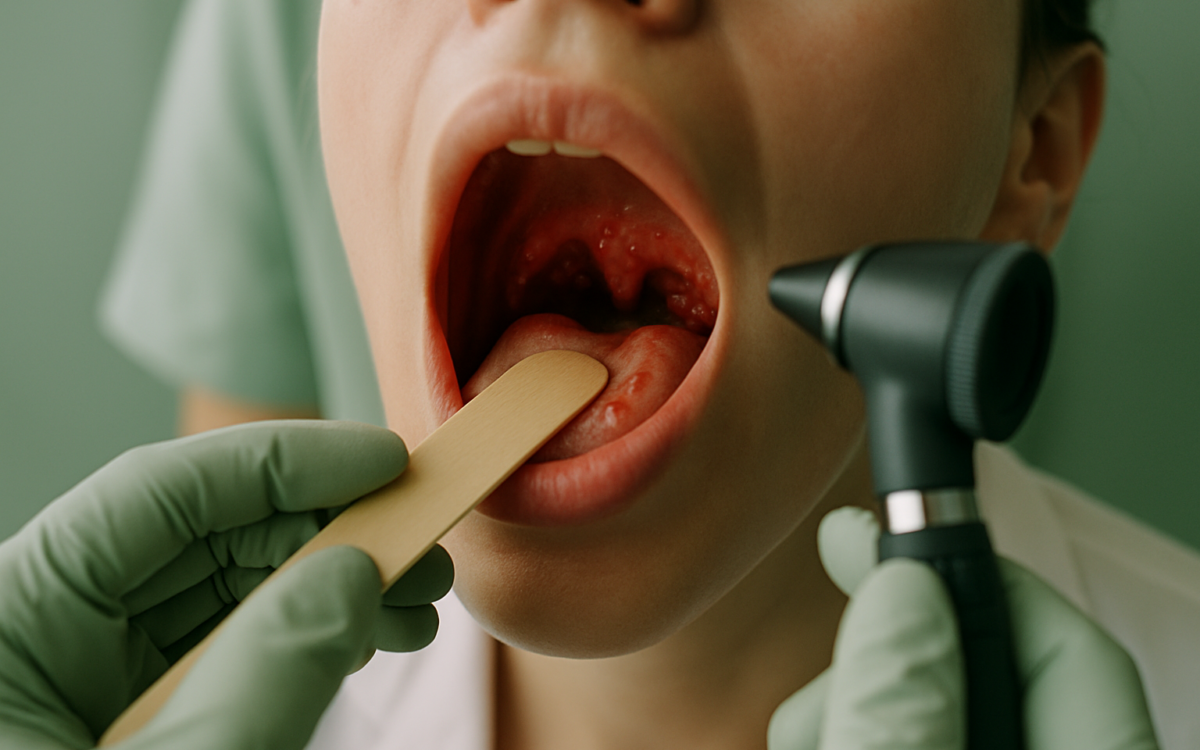
Finding red bumps at the back of your throat can be concerning. While they may be harmless, these bumps can also indicate various conditions that might require medical attention. Understanding what they could mean helps you make informed decisions about your health.
What are red bumps at the back of the throat?
Red bumps in the throat typically refer to inflamed tissue or lesions that appear due to various factors. These bumps can vary in size, color, and symptoms, often associated with other signs of throat irritation or infection, such as soreness or difficulty swallowing.
Common Causes of Red Bumps
Several conditions can lead to the development of red bumps in the throat:
- Tonsillitis: Inflammation of the tonsils, often caused by viral or bacterial infections, can present as swollen, red lumps at the back of the throat.
- Pharyngitis: This refers to inflammation of the pharynx, which can cause redness and irritation, sometimes accompanied by bumps.
- Strep Throat: A bacterial infection that can cause severe sore throat symptoms, including red and swollen tonsils with white patches and bumps.
- Allergic Reactions: Allergies to certain foods, pollen, or other irritants may result in red bumps as your body reacts to allergens.
- Oral Canker Sores: Though typically located in the mouth, they can occasionally be felt as bumps that may extend towards the throat.
Signs and Symptoms to Note
Identifying accompanying symptoms can help determine the underlying cause of the red bumps:
- Sore Throat: A classic symptom indicating inflammation or infection.
- Fever: Elevated body temperature may suggest a bacterial or viral infection.
- Swollen Lymph Nodes: Often felt in the neck, which can point towards an infection.
- Difficulty Swallowing: This can occur when the throat is sore or swollen.
- White Patches: Often seen in strep throat or tonsillitis, indicating potential infection.
How are red bumps diagnosed?
If you’re experiencing red bumps in the back of your throat along with other symptoms, a healthcare professional may begin the diagnostic process by:
- Conducting a physical examination: A doctor will check for swelling in the throat, as well as any other visible signs of infection.
- Taking a throat swab: A sample may be taken to test for bacterial infections like strep throat.
- Reviewing your medical history: Understanding your symptoms, previous illnesses, and any allergies will help establish a potential diagnosis.
Treatment Options
The appropriate treatment for red bumps at the back of the throat largely depends on their cause:
- Antibiotics: If the bumps are due to a bacterial infection, such as strep throat or bacterial tonsillitis, a doctor may prescribe antibiotics.
- Over-the-counter pain relievers: Medications like ibuprofen or acetaminophen can help alleviate throat pain and discomfort.
- Saltwater gargle: Gargling warm salt water may soothe an irritated throat and help reduce swelling.
- Rest and hydration: Staying well-hydrated and resting allows your body to recover more effectively.
When to See a Doctor
While many cases of red bumps in the throat may resolve on their own, you should consult a doctor if you experience:
- Severe or worsening throat pain
- Difficulty breathing or swallowing
- High fever (over 101°F or 38.3°C)
- Red bumps accompanied by a rash
- Persistent symptoms lasting longer than a week
Conclusion
Red bumps at the back of the throat can stem from a variety of causes, ranging from minor irritations to significant infections. By understanding these causes and remaining attentive to accompanying symptoms, you can better navigate your health. If signs of infection or other concerning symptoms arise, don’t hesitate to reach out to a healthcare professional for advice and treatment.
