
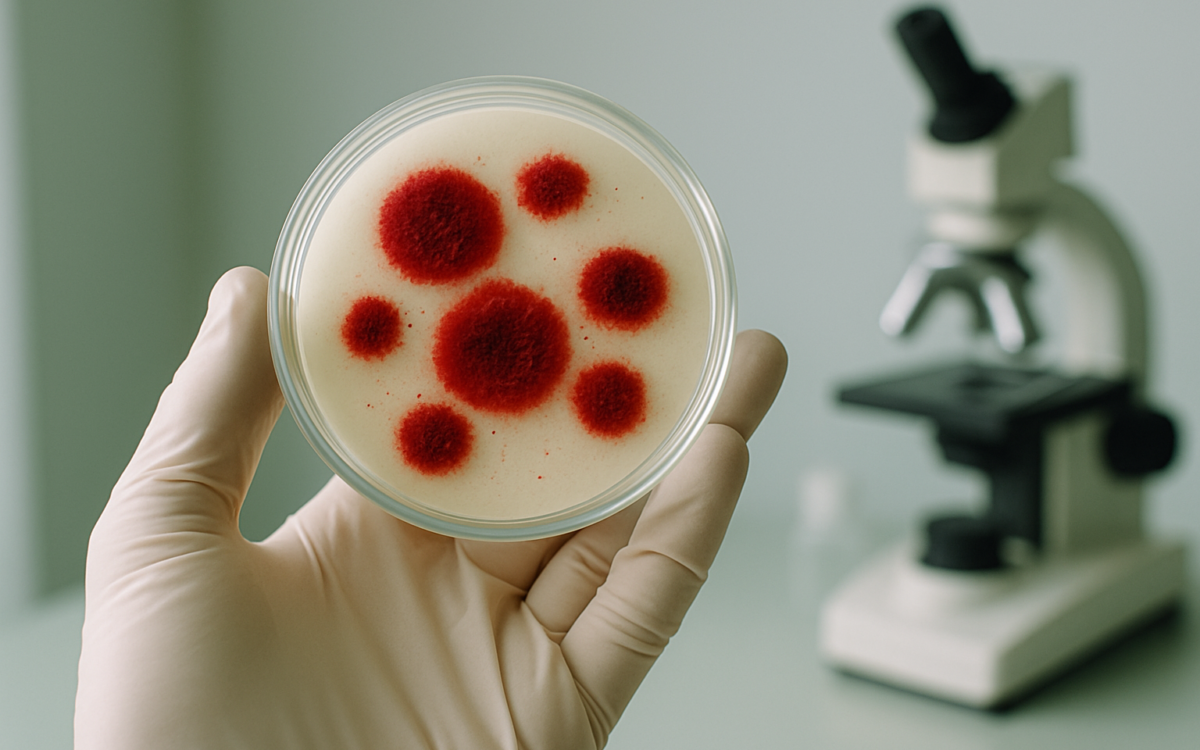
Mold is everywhere in our environment, but not all types of mold are the same. Among the various types, red mold stands out due to not just its color but also its potential health implications. Often found in damp or humid spaces, red mold can cause a range of concerns, particularly for those with allergies or respiratory issues. Understanding this mold and how to manage it is crucial for maintaining a healthy living environment.
What is red mold?
Red mold isn’t a single species; it refers to various molds that appear reddish in color, often thriving in warm, humid conditions. One common type is Neurospora, which is typically found on decaying organic material. Though it may look alarming, most molds, including red ones, are a natural part of the ecosystem. However, when they grow indoors, they may indicate a problem.
Where do you find red mold?
Red mold can appear in various places, primarily where moisture is abundant. Look for it in:
- Bathrooms, especially around sinks or bathtubs
- Kitchens, particularly in areas with poor ventilation
- Basements, which often have higher humidity levels
- On spoiled food or organic matter
Humidity is a major factor in mold growth. According to the CDC, keeping indoor humidity levels below 50% can significantly reduce mold growth.
Health risks associated with red mold
Red mold can be problematic for your health. Although not all types are harmful, certain molds can trigger allergic reactions and respiratory issues. People sensitive to mold may experience symptoms like:
- Runny or stuffy nose
- Itchy or watery eyes
- Coughing or wheezing
- Skin irritation
In serious cases, prolonged exposure to mold spores can contribute to respiratory infections or worsen conditions like asthma. It’s important to understand the environment you live in and take precautions if you spot red mold.
Preventing red mold growth
Prevention is the best strategy for managing red mold. Here are some effective tips:
- Control moisture: Use dehumidifiers in especially damp rooms.
- Ventilation: Improve airflow in your home, particularly in kitchens and bathrooms.
- Seal leaks: Regularly check for and repair leaks in roofs, walls, and plumbing.
- Regular cleaning: Clean surfaces prone to moisture, such as tiles and countertops.
For some, especially those living in humid climates or those with existing health issues, seeking assistance from professionals may be necessary. Many services offer international patient services for mold inspection and mitigation, ensuring you can maintain a safe living environment abroad.
How to remove red mold
If you find red mold in your home, it’s essential to act quickly. For small areas, cleaning with a mixture of water and detergent can be effective. For larger infestations, consider using solutions containing bleach, but exercise caution: never mix bleach with ammonia, as this can create toxic fumes. Wear gloves, a mask, and ensure good ventilation during cleaning. If the infestation is widespread, hiring a professional mold removal service may be the safest option.
When to see a doctor
If you notice persistent symptoms such as respiratory issues, skin irritations, or allergic reactions that don’t improve after mold removal, consult a healthcare professional. Individuals with existing health conditions or compromised immune systems should be particularly vigilant.
Conclusion
Understanding red mold, its potential risks, and how to prevent and remove it can help create a healthier living environment. Regular maintenance and awareness are key to keeping mold at bay and protecting your well-being.
