
Fluid accumulation in the knee, known as knee effusion, can be a painful and frustrating condition. It can result from various causes, including injury, arthritis, or infections. Whether you’re dealing with the aftermath of a sports injury or the wear and tear of age, understanding remedies for fluid on the knee can help you feel more comfortable.
What Causes Fluid on the Knee?
Before diving into remedies, it’s essential to understand what can lead to fluid buildup. Understanding the root cause can help tailor your approach to managing the condition. Here are some common causes:
- Injury: Trauma to the knee, such as a sprain or tear, can lead to an inflammatory response, causing fluid to accumulate.
- Arthritis: Conditions like osteoarthritis or rheumatoid arthritis can result in ongoing inflammation, leading to excess fluid production.
- Infection: A viral or bacterial infection can also prompt inflammation in the knee, leading to fluid buildup.
- Bursitis: Inflammation of the bursae, the small sacs that cushion the joint, can cause swelling and fluid accumulation.
Initial Home Remedies
There are several home remedies to consider for managing fluid on the knee. While these won’t eliminate the underlying cause, they can provide relief:
- Rest: Giving your knee a break can reduce inflammation and swelling.
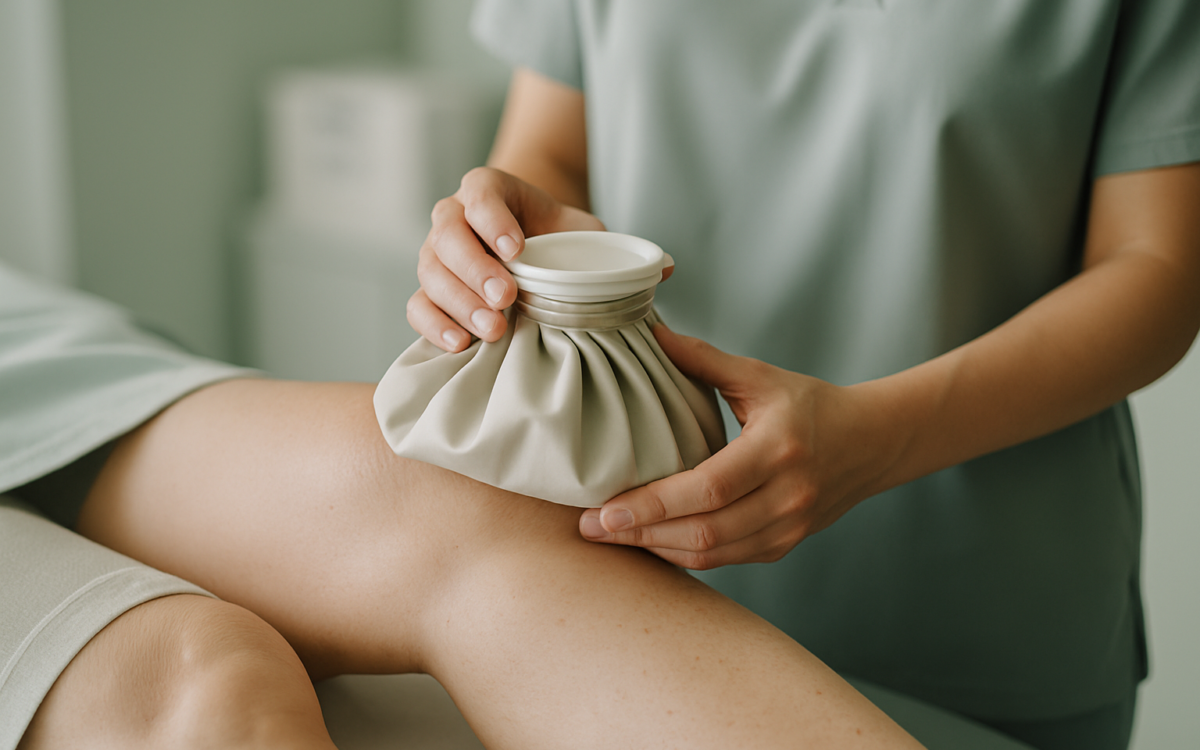
- Ice Therapy: Applying ice can help decrease swelling and numb pain. Try icing your knee for 15 to 20 minutes every few hours.
- Compression: Using a knee brace or wrap can help support the joint and limit swelling. Be careful not to wrap it too tightly.
- Elevation: Keeping your knee elevated can help reduce swelling by promoting fluid drainage.
Over-the-Counter Medications
Over-the-counter (OTC) medications can play a significant role in managing symptoms associated with fluid on the knee. While these don’t address the underlying issue, they can help alleviate pain and inflammation:
- Nonsteroidal Anti-Inflammatory Drugs (NSAIDs): Medications like ibuprofen (Advil) and naproxen (Aleve) can reduce inflammation and pain.
- Acetaminophen: If you prefer not to take NSAIDs, acetaminophen (Tylenol) can help manage pain without the anti-inflammatory benefits.
Natural Treatments for Knee Swelling
For those inclined toward alternative remedies, several natural treatments may assist in managing fluid on the knee:
- Turmeric: It contains curcumin, a compound known for its anti-inflammatory properties. You can incorporate turmeric into your diet or take it as a supplement.
- Ginger: Similar to turmeric, ginger also boasts anti-inflammatory effects. Ginger tea or supplements can be beneficial.
- Apple Cider Vinegar: Some people find relief by consuming apple cider vinegar as it can help balance pH levels in the body and reduce inflammation.
Exercises and Physical Therapy
Once the pain and swelling begin to decrease, incorporating some low-impact exercises can help improve strength and mobility:
- Strength Training: Building strength in the muscles surrounding the knee can provide better support and stability. Focus on exercises for the quadriceps and hamstrings, such as squats or leg lifts, but consult with a professional to ensure you perform them correctly.
- Range of Motion Exercises: Gentle stretching can help prevent stiffness. Try simple stretches for your legs and knees, ensuring you don’t push through pain.
- Water Therapy: Exercising in a pool is often lower impact and can be a comfortable environment for those with knee issues.
When to See a Doctor
While many cases of fluid on the knee can be managed at home, you should seek medical attention if you experience:
- Severe pain or swelling that worsens
- Fever, redness, or warmth surrounding the knee, which may indicate infection
- Persistent symptoms lasting more than a few days despite home treatment
- Inability to bear weight on the affected leg
Consulting with your healthcare provider is essential for determining the underlying cause and developing a tailored treatment plan.
Conclusion
Fluid on the knee can be uncomfortable, but various remedies can help reduce symptoms and improve your quality of life. By understanding the causes of knee effusion and incorporating home remedies, medications, and physical therapy, you can take proactive steps toward recovery. However, always consult with a healthcare professional for proper diagnosis and treatment options. For more detailed information on knee health, visit reputable sources like the Mayo Clinic or NIH.
