
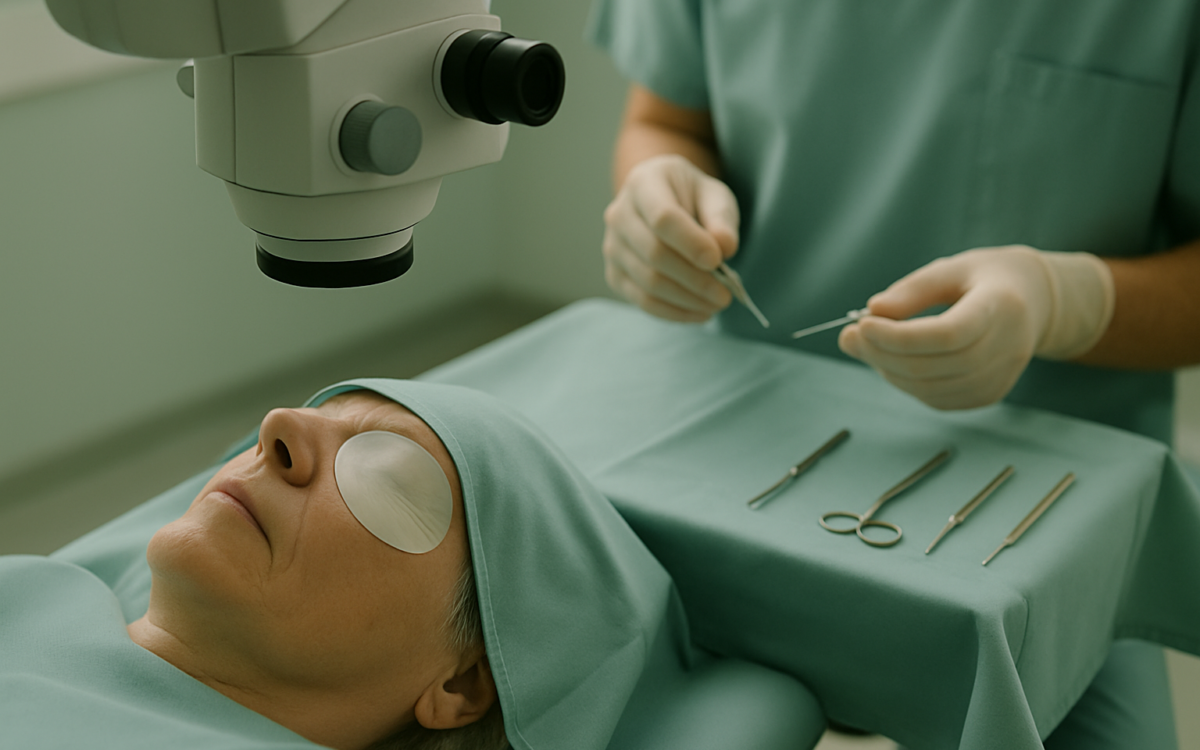
Cataracts are a common eye condition characterized by clouding of the lens, leading to blurry vision and difficulty seeing in low light. They are a natural part of aging for many people. When cataracts become severe enough to impair daily activities, surgery may be necessary. Understanding the different types of cataract surgery can empower patients to make informed decisions about their vision care.
What is Cataract Surgery?
Cataract surgery is a procedure to remove the clouded lens of the eye and replace it with an artificial lens, called an intraocular lens (IOL). The primary goal of cataract surgery is to restore clear vision. It is one of the most commonly performed surgical procedures worldwide, with a high success rate and generally low complication rates.
Types of Cataract Surgery
There are several types of cataract surgery, each tailored to different severity levels and individual needs. Here are the most common types:
1. Phacoemulsification
Phacoemulsification, often referred to as “phaco,” is the most common type of cataract surgery. During this minimally invasive procedure, the surgeon uses a small ultrasound device to break up (emulsify) the cloudy lens into tiny pieces. These fragments are then gently suctioned out of the eye. After removing the cloudy lens, the surgeon inserts a soft, foldable IOL through a small incision. Recovery from phacoemulsification is usually quick, and patients often experience improved vision shortly after the procedure.
2. Extracapsular Cataract Surgery
This procedure is typically used in cases where the cataract is more advanced. In extracapsular cataract surgery, the surgeon removes the cloudy lens in one piece, along with the capsule that holds the lens in place. This method involves a larger incision than phacoemulsification and may require stitches. While the recovery time may be longer, it is effective for patients with complex cataracts.
3. Laser-Assisted Cataract Surgery
Laser-assisted cataract surgery uses a specialized femtosecond laser to perform key steps of the procedure. The laser is used to create precise incisions and soften the cataract, making it easier to remove. This technology can enhance the precision of certain parts of the surgery and may lead to less inflammation and faster recovery. However, it is important to consult with your eye surgeon to understand the benefits and limitations of this approach compared to traditional methods.
Choosing the Right Type of Surgery
The choice of cataract surgery type depends on various factors, including the severity of the cataract, the patient’s overall eye health, and their personal preferences. Discussing all options with an eye care professional is essential, as they can provide guidance based on a thorough examination and the patient’s needs.
Potential Risks and Complications
While cataract surgery is safe and effective for most patients, like any surgical procedure, there are risks involved. Some potential complications include:
- Bleeding
- Infection
- Inflammation
- Retinal detachment
- Changes in vision
- Need for additional surgery
It’s essential to discuss these risks with your eye care provider and understand both the potential benefits and complications before deciding on surgery.
Post-Surgery Care and Recovery
After cataract surgery, most patients can go home the same day. Doctors typically prescribe eye drops to aid healing and prevent infection. Patients will need to follow specific post-operative care instructions, which may include avoiding heavy lifting, swimming, and getting water in the eye for a certain period.
Regular follow-up appointments are crucial to monitor the healing process and ensure the new lens is functioning properly. Most people experience significant vision improvement within a few days, with full recovery taking a few weeks.
When to See a Doctor
If you notice changes in your vision such as blurry or cloudy sight, difficulties with driving, or challenges with reading, it may be time to consult with your eye doctor. Early diagnosis and treatment of cataracts can help prevent further deterioration of vision.
Conclusion
Cataract surgery can significantly improve your quality of life by restoring clear vision. Understanding the various types of cataract surgery, including phacoemulsification, extracapsular surgery, and laser-assisted techniques, allows patients to make informed choices. As always, it is vital to consult with a qualified ophthalmologist to determine the best approach for your individual circumstances. With the right care, you can look forward to a brighter, clearer future.
