
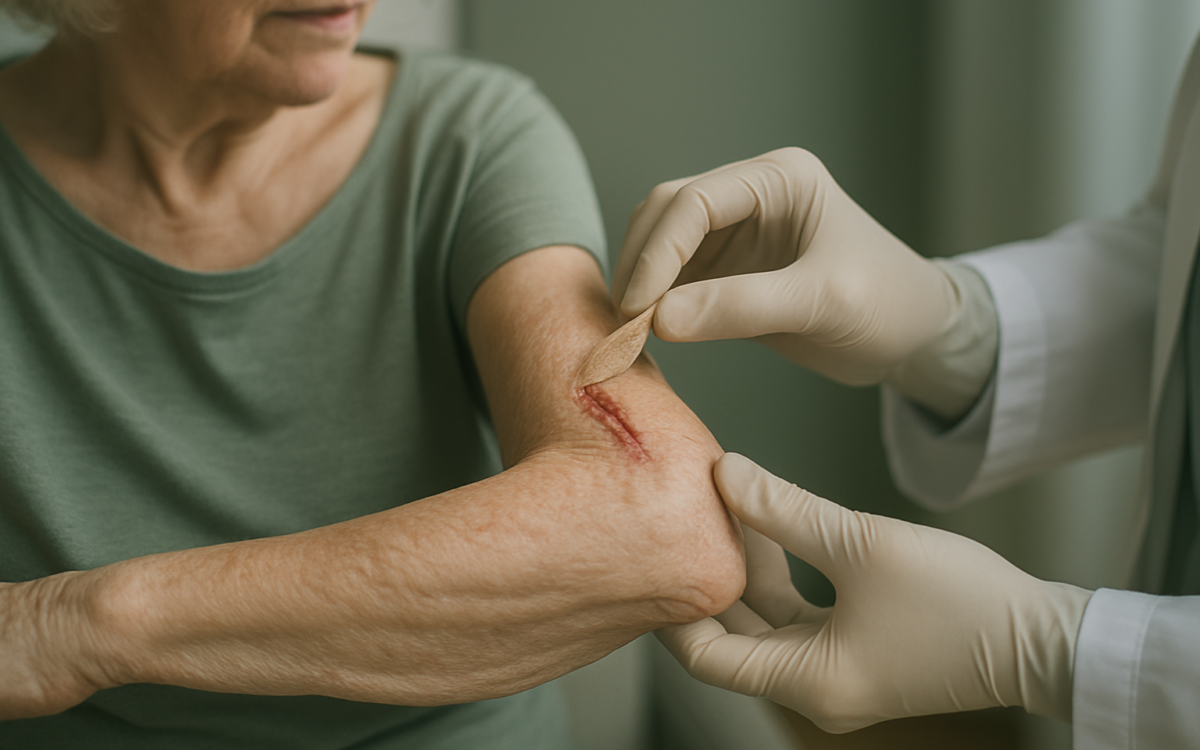
Skin tears can happen to anyone, but they are particularly common among the elderly or those with fragile skin. These injuries can seem minor, yet they can lead to complications if not managed properly. In this article, we will delve into what causes skin tears, how to care for them, and ways to prevent them, ensuring you have all the knowledge you need to manage this common skin issue.
What is a Skin Tear?
A skin tear is a type of wound caused by the separation of the outer layer of skin (epidermis) from the underlying skin (dermis). It often happens when the skin is thin or fragile, making it more susceptible to damage. Skin tears can range from minor injuries with just a small flap of the skin to more severe cases where a large area of skin is compromised.
Causes of Skin Tears
There are several factors that can lead to skin tears, including:
- Age: As people get older, their skin loses elasticity and becomes thinner, making it more likely to tear. Research indicates that more than 30% of older adults experience skin tears each year (NIH).
- Friction or Shear Forces: Any action that causes skin to rub against a surface can lead to tearing, especially if the skin is already fragile.
- Injuries: Accidental bumps or falls can create skin tears, particularly in those with skin conditions or on medications that affect collagen production.
- Medical Conditions: Certain health issues like diabetes, kidney disease, or use of corticosteroids can weaken the skin, increasing the risk of tears.
Identifying a Skin Tear
Recognizing a skin tear early is crucial for effective treatment. Here are some signs to look out for:
- Separation or flapping of the skin
- Visible blood or fluid
- Swelling around the tear area
- Signs of infection, such as increased redness or pus
If you observe any of these symptoms, it’s important to take action promptly.
Caring for Skin Tears
While skin tears can be frightening, proper care can significantly reduce the risk of complications. Follow these steps to care for a skin tear:
- Clean the Area: Gently rinse the wound with clean water to remove any debris or dirt.
- Stop the Bleeding: If the skin tear is bleeding, apply gentle pressure with a clean cloth or bandage until the bleeding stops.
- Avoid Removing Skin Flaps: If there is a flap of skin, leave it in place. It can serve as a natural bandage aiding in healing.
- Apply a Dressing: Cover the tear with a sterile, non-stick dressing. Change the dressing at least once a day or if it becomes wet or dirty.
If a skin tear does not improve within a few days or shows signs of infection, consult your doctor for further assessment and treatment.
Preventing Skin Tears
While you can’t always prevent skin tears, there are strategies you can adopt to minimize the risk:
- Moisturize Regularly: Keeping your skin hydrated helps maintain elasticity. Use a quality moisturizer daily, especially after bathing.
- Wear Protective Clothing: If you have fragile skin, consider wearing long sleeves or pants to provide a buffer against bumps or friction.
- Be Cautious: Minimize movement that could lead to skin tears, especially in tight spaces or when using mobility aids.
- Education and Training: If you are caring for someone at risk, ensure you understand safe transfer techniques and how to handle their fragile skin.
Implementing these practices can reduce the chances of skin tears occurring, especially in at-risk populations.
Potential Complications of Skin Tears
While many skin tears can heal without significant issues, there are potential complications to be aware of, including:
- Infection: Open wounds can become infected, leading to redness, swelling, and pus.
- Delayed Healing: Some skin tears may take longer to heal, especially in those with underlying health conditions or poor hydration.
- Scarring: Depending on the severity and treatment of the skin tear, there may be scarring or discoloration after healing.
If you notice any signs of complications, such as increased pain or swelling, it’s essential to seek medical attention.
When to See a Doctor
While many skin tears can be managed at home, there are times when you should consult a physician:
- If the bleeding does not stop after applying pressure
- If the wound shows signs of infection, such as increased redness, warmth, or pus
- If the skin tear is larger than two inches or does not heal within a week
- If you have chronic health conditions that may complicate the healing process
Consult a healthcare professional to ensure appropriate care and intervention.
Understanding skin tears, their causes, treatment, and prevention strategies enables you to manage this common skin issue effectively. By adopting protective measures and being informed about proper care techniques, you can help ensure your skin remains healthy and resilient. If you do encounter a skin tear, remember that prompt treatment can help prevent further complications.
