
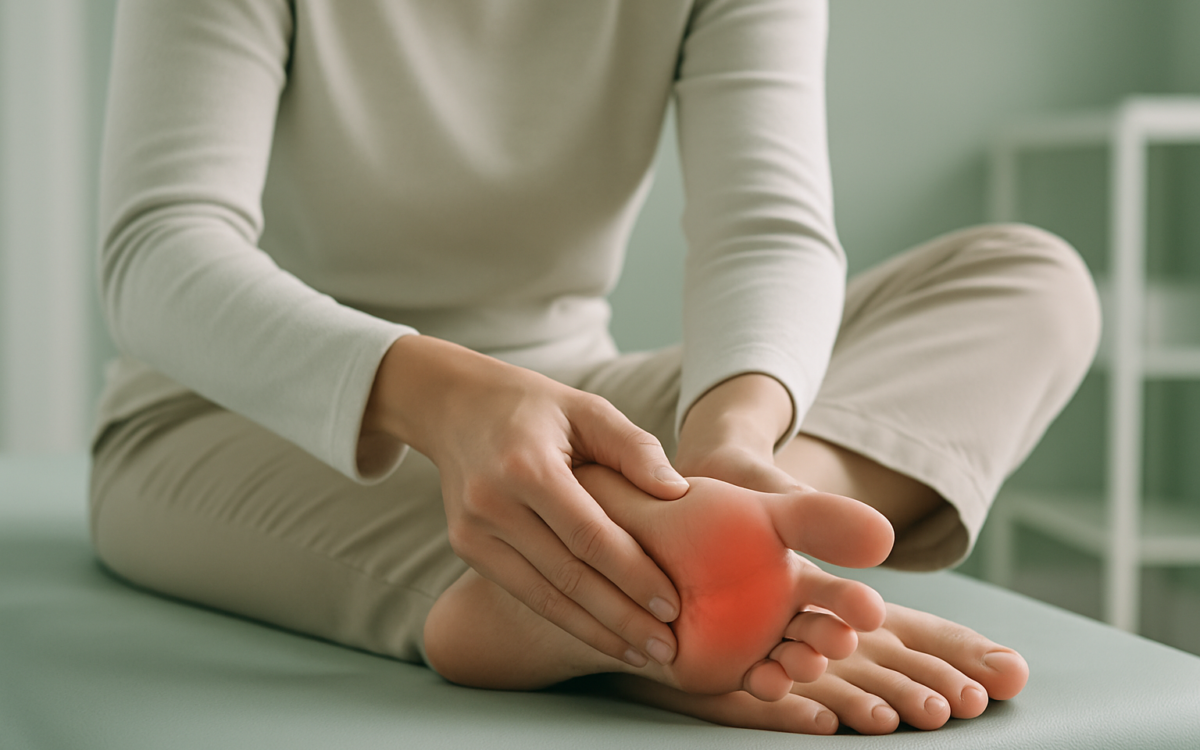
If you’ve ever felt a nagging pain in your feet, especially around the arches, you’re not alone. Many people experience discomfort in their feet—especially in the arches—often without knowing why. Understanding the causes of sore feet arches and what you can do to alleviate the discomfort is essential for maintaining your foot health and overall well-being.
What Causes Sore Feet Arches?
Sore arches can result from a variety of reasons. Here are some common culprits:
- Overuse: Spending long periods on your feet, whether for work, exercise, or leisure, can lead to strain on the arches, especially for those who are not accustomed to such activity.
- Foot Structure: Flat feet or high arches change the way weight is distributed across your feet, potentially leading to pain in the arches. People with flat feet, in particular, may experience this type of discomfort more frequently.
- Improper Footwear: Shoes that don’t provide adequate support or cushioning can contribute to aching arches. High heels, flip-flops, and worn-out sneakers can exacerbate arch pain.
- Plantar Fasciitis: This common condition involves inflammation of the tissue that runs along the bottom of your foot. It often presents as heel pain but can also cause aching in the arches.
- Injury: Trauma to the foot, including strains and sprains or even stress fractures, can lead to painful arches.
Signs and Symptoms
Recognizing the signs of sore feet arches can help you address the issue early. Common symptoms include:
- A dull ache or sharp pain in the arch area, particularly after prolonged activity
- Tenderness when touching the arch or heel
- Swelling of the arch
- Pain that worsens after long periods of standing or walking
Home Remedies for Relief
While it’s important to consult a healthcare professional if your foot pain persists, there are several home remedies you can try to relieve sore arches:
- Rest: Take regular breaks if you are on your feet for long periods. Give your arches some time to recover.
- Ice Therapy: Applying ice to the affected area for 15-20 minutes can help reduce inflammation and numb the soreness.
- Stretching and Strengthening Exercises: Gentle exercises can help strengthen the muscles around your arches. Consider calf stretches, toe curls, and using a towel to stretch the bottom of your foot.
- Supportive Footwear: Invest in high-quality shoes that offer good arch support and cushioning. Orthotic inserts can also provide additional support.
- Foot Massages: Regular massages can enhance circulation and alleviate tension in the arches.
Choosing the Right Footwear
Selecting the right shoes is essential in managing arch pain. Here are some tips:
- Avoid High Heels: These can place immense pressure on your arches.
- Look for Arch Support: Shoes that provide adequate arch support help distribute weight evenly and reduce strain.
- Cushioning: Look for shoes with good shock absorption to minimize impact when walking or running.
- Fit and Comfort: Ensure your shoes fit well. Tight or loose shoes can worsen arch pain.
When to Consider Orthotics
If you continue to experience arch pain despite trying home remedies and wearing appropriate footwear, it might be time to consider orthotics. Custom-made orthotic devices can provide personalized support. Speak with a healthcare professional about the options that might suit you best.
Symptoms That Require Medical Attention
While many cases of sore feet arches can be managed at home, some symptoms indicate it’s time to see a doctor. If you experience:
- Persistent pain that doesn’t improve with rest or home remedies
- Severe swelling or bruising
- Difficulty walking or bearing weight on the affected foot
- Pain accompanied by fever or redness
make sure to consult a healthcare professional for further evaluation and treatment.
Conclusion
Sore feet arches can impact your daily life, but understanding their causes and remedies can help you find relief. By adjusting your footwear, incorporating stretching exercises, and listening to your body, you can manage this discomfort effectively. Remember, if your symptoms persist or worsen, don’t hesitate to seek professional advice. Prioritizing your foot health will ensure you can stay active and enjoy your favorite activities for years to come.
