
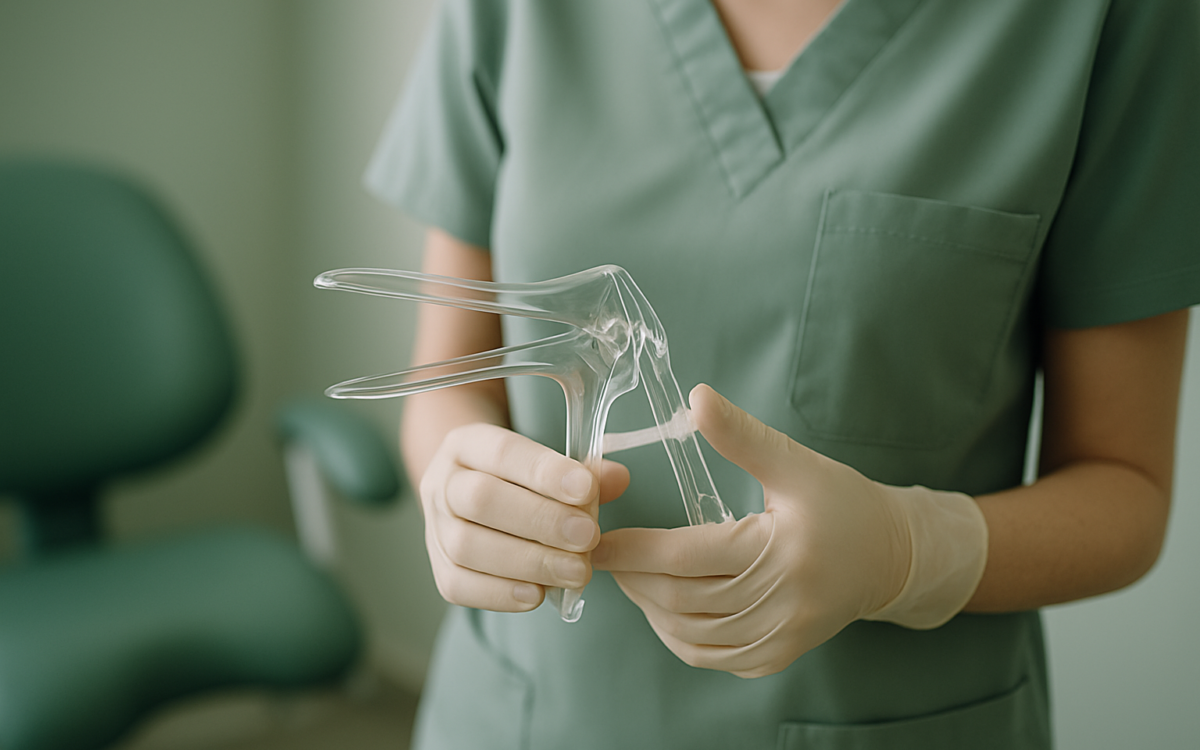
When you visit your healthcare provider for a gynecological exam, you might encounter a tool known as a speculum. While its appearance might seem daunting, understanding this instrument can help alleviate any anxiety associated with women’s health check-ups. In this article, we’ll explore what a speculum is, how it is used, and what you should know before your next exam.
What is a Speculum?
A speculum is a medical instrument designed to open the walls of a bodily cavity, allowing healthcare providers to see inside. In gynecology, a speculum typically opens the vaginal canal to enable examinations of the cervix and vagina. This tool comes in various sizes and styles, providing healthcare providers flexibility to accommodate different patients’ needs.
Types of Specula
There are two main types of specula used in gynecological exams: the metal speculum and the plastic (disposable) speculum. Each has its advantages and disadvantages.
Metal Specula
- Reusable: These specula can be sterilized and used multiple times, making them economical and environmentally friendly.
- Adjustable: They often have a screw mechanism that allows healthcare providers to adjust how widely they open.
- Durable: Made of stainless steel, they are sturdy and less likely to break during use.
Plastic Specula
- Single-use: These are designed for one-time use, reducing the risk of infection.
- Lightweight: Plastic specula are often more comfortable for patients since they may feel less cold than metal alternatives.
- Variety: Available in different sizes, they can be more easily adapted for patients of various body types.
The Purpose of a Speculum in Gynecological Exams
The primary purpose of a speculum is to provide a clear view of the cervix and upper vagina. During a pelvic exam, your healthcare provider can check for abnormalities such as:
- Signs of infection
- Changes in the cervical cells, which may be detected through Pap smears
- Other pelvic organ conditions such as fibroids or polyps
Using a speculum allows for better visualization and the ability to collect samples as needed for testing, contributing significantly to women’s health.
What to Expect During Your Exam
Understanding what happens during a gynecological exam can help ease your nerves. Here’s a step-by-step of what you might experience:
- Preparation: You will typically be asked to undress from the waist down and lie on an exam table. A sheet will be provided for your comfort.
- Inserting the Speculum: Your healthcare provider will gently insert the speculum into your vagina. You may feel some pressure, but it should not be painful. Communicate with your provider about any discomfort.
- Examination: Once the speculum is in place, your provider will inspect the vagina and cervix by shining a light into the area.
- Sample Collection: If necessary, your provider may perform a Pap smear or take other samples for further testing.
- Finishing Up: After the examination, the speculum will be removed, and you can dress and ask any questions you may have.
Tips for a Comfortable Experience
If you’re feeling anxious about your exam, consider these tips for comfort:
- Communicate: Don’t hesitate to share your concerns with your healthcare provider. They can explain what they’re doing step by step.
- Relaxation Techniques: Deep breathing or visualization may help ease anxiety before and during the exam.
- Choose Your Timing: Schedule your exam for a time when you’re less likely to feel rushed or stressed, which can make the experience easier.
Common Concerns and Questions
Many women have questions or concerns about the use of a speculum. Here are a few common ones:
Does it hurt?
While every woman’s experience is different, if the speculum is inserted slowly and gently, it should not be painful. If you experience pain, let your provider know immediately.
How often should I have a pelvic exam?
Most women should have their first gynecological visit between ages 13 and 15, and regular exams are recommended thereafter. Consult with your healthcare provider to determine a schedule that suits your needs.
Is the speculum safe?
Yes, when used correctly by a trained healthcare provider, specula are considered safe. Infection risks are minimized through proper sterilization practices.
When to See a Doctor
If you experience abnormal symptoms like unusual vaginal bleeding, severe pain during intercourse, or any other concerns related to your reproductive health, consult your healthcare provider even if it’s not time for your regular examination.
Conclusion
A speculum plays a vital role in maintaining women’s health by allowing healthcare providers to conduct thorough examinations and identify potential issues early on. By understanding what to expect and how this instrument aids in your healthcare, you can approach your next gynecological exam with more confidence and less anxiety.
For more information, you can visit the National Institutes of Health or the Centers for Disease Control and Prevention websites.
