
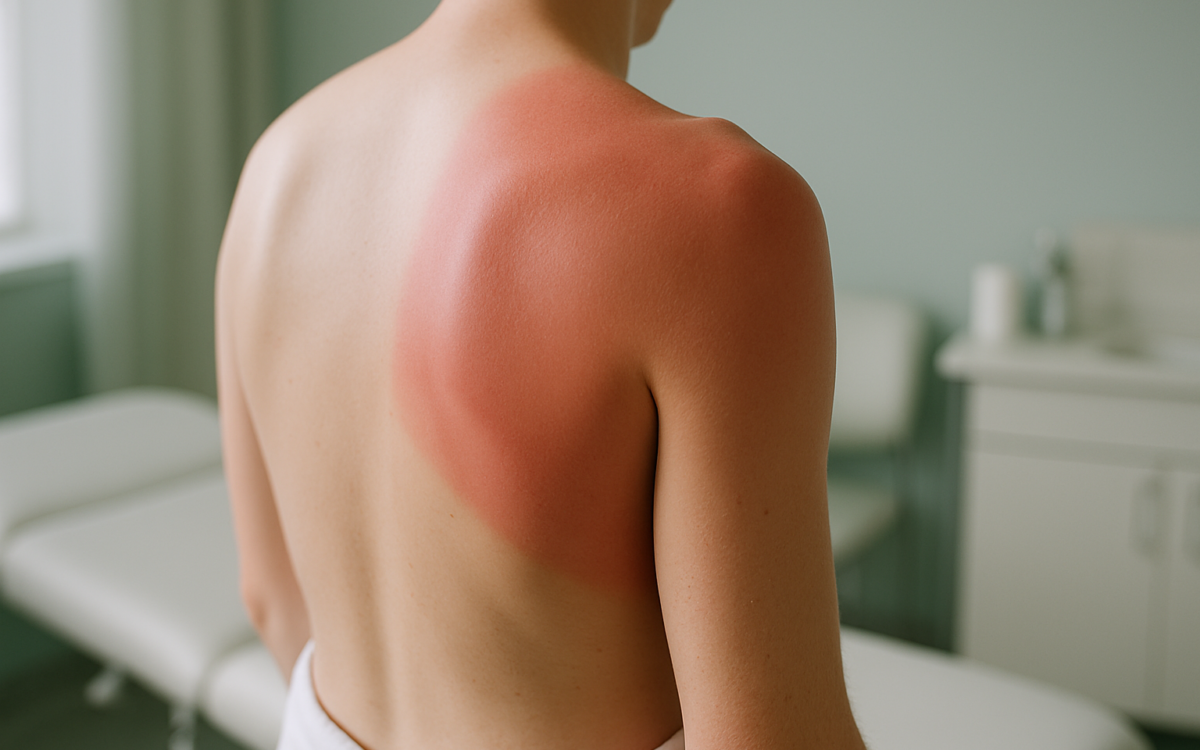
Many of us find ourselves outside enjoying the sun, but the joy of sunny days can quickly turn into discomfort if we get sunburned. The question arises: do sunburns turn into tans? Understanding the science behind sunburns and tanning can help us make informed decisions about our skin health.
What Happens When You Get a Sunburn?
Sunburn occurs when the skin is exposed to ultraviolet (UV) rays from the sun. These rays damage the skin, leading the body to trigger an inflammatory response, which often results in the characteristic redness, swelling, and pain associated with sunburn. According to the National Institutes of Health (NIH), even mild sunburns can increase your risk of developing skin cancer later in life.
Do Sunburns Develop Into Tans?
The short answer is: not necessarily. The skin’s response to sun exposure is complex. When skin is damaged from a sunburn, the body attempts to protect itself from further UV damage by producing more melanin, the pigment that gives skin its color. This increase in melanin can result in a tan, but it is important to remember that the initial sunburn represents skin damage.
The Science of Tanning
Tanning happens when your skin produces extra melanin as a defense mechanism against UV radiation. However, if you have suffered a sunburn, the process might not be straightforward. While some people find that their skin turns a bronzed color after a sunburn, others may experience peeling or additional sensitivity. Depending on the severity of the burn and individual skin type, a tan can quickly fade into uneven discoloration or may even turn into skin irritation or lesions.
Skin Types and Tanning
Different skin types react differently to sun exposure. Fair skin is more prone to burning than darker skin types. Individuals with lighter pigmentation may get sunburned faster but might develop a tan more gradually after the initial burn subsides. Conversely, people with darker skin tones are less likely to burn but are also less likely to notice a pronounced tan unless they are exposed to significant UV light.
Skin Healing and Aftercare
After a sunburn, the skin goes through a healing process that can take several days to weeks, depending on the severity of the burn. During this healing period, it is crucial to care for your skin properly. Here are some tips for aftercare:
- Stay hydrated: Drink plenty of water to help your skin recover.
- Moisturize: Apply soothing lotions or aloe vera to relieve pain and keep the skin hydrated.
- Avoid further sun exposure: Protect healing skin by staying out of the sun or wearing protective clothing.
- Consult a doctor if blisters develop: Blisters can be a sign of a second-degree burn and may require medical attention.
International Perspectives on Sunburn Treatment
Access to effective treatments for sunburns varies by region. In some countries, advanced skin care treatments are available that focus on healing and repair. This can include topical treatments or even therapies that promote skin rejuvenation. For those looking for international treatment options, sites like acibademinternational.com provide resources to explore options that might be best for individual needs and circumstances.
Preventing Sunburn and Promoting Healthy Skin
The best way to deal with a sunburn is to avoid getting one in the first place. Sun safety practices include:
- Use sunscreen with a high SPF: Apply generously and reapply every two hours.
- Seek shade: Limit sun exposure, especially during peak hours (10 a.m. to 4 p.m.).
- Wear protective clothing: Long sleeves, hats, and sunglasses can reduce UV exposure.
- Stay mindful of reflective surfaces: Water, sand, and snow reflect sunlight and can increase UV exposure.
When to See a Doctor
It can be tempting to treat a sunburn at home, but there are situations where you should consult a healthcare professional. Seek medical attention if:
- You experience severe pain, swelling, or redness that spreads.
- Blisters develop, especially if they cover a large area.
- You have a high fever, chills, or signs of an infection.
- Symptoms do not improve with over-the-counter treatments.
Recognizing the signs of a serious sunburn and knowing when to ask for help can prevent complications and ensure your skin heals properly.
Conclusion
The relationship between sunburns and tans is nuanced. While some may end up with a tan after a sunburn, it’s crucial to recognize that any form of tanning is a sign of skin damage. Sun protection is the best strategy for maintaining healthy skin and reducing the risk of long-term damage.
