
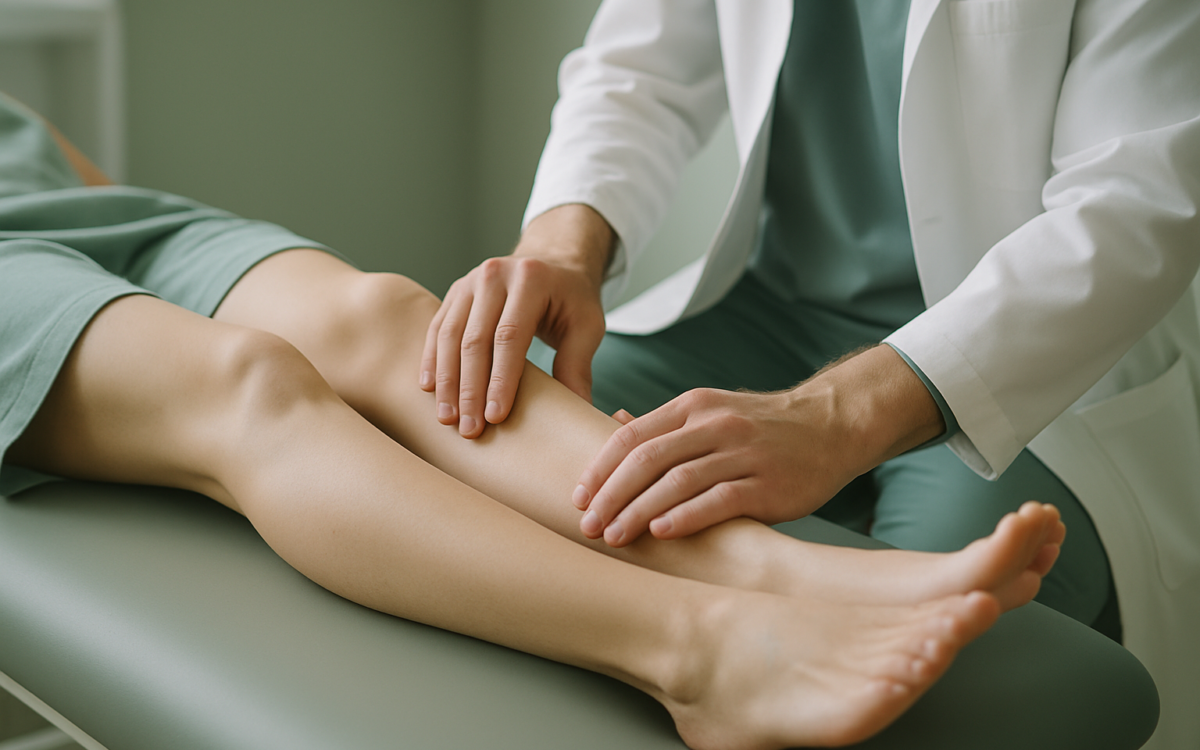
The tibia and fibula are two long bones in your lower leg, known collectively as the “tib fib.” Together, they support your body’s weight and enable movement. Injuries to these bones can be severe and might occur due to various causes, like high-impact sports, falls, or accidents. Understanding the nature of tib fib injuries can help you seek appropriate treatment and support your recovery journey.
What are tib fib injuries?
Tib fib injuries primarily involve fractures of the tibia (shinbone) and fibula (the thinner bone beside the tibia). These injuries can range from minor stress fractures to complete breaks. Each type of injury presents different challenges and healing times.
Common causes of tib fib injuries
Several factors can contribute to tib fib injuries:
- Sports-related injuries: Athletic activities such as soccer, basketball, and skiing are common culprits due to sudden impacts or awkward landings.
- Falls: A simple slip can result in a fracture, particularly in older adults with weaker bones.
- Accidents: Motor vehicle accidents or heavy objects falling on the leg may lead to severe tib fib injuries.
- Osteoporosis: This condition weakens bones, increasing the risk of fractures even with minimal trauma.
Types of tib fib fractures
Tib fib injuries can be categorized based on their severity:
- Stress fractures: Small cracks in the bone often due to excessive force or overuse, common in athletes.
- Simple fractures: The bone breaks cleanly into two pieces without piercing the skin.
- Compound fractures: More severe, where the bone breaks and pierces through the skin, risking infection.
- Comminuted fractures: The bone shatters into multiple pieces, often needing surgical intervention for proper healing.
Diagnosis of tib fib injuries
If a tib fib injury is suspected, a medical professional will conduct a thorough evaluation, which includes:
- Physical examination: Assessing pain, swelling, and bruising around the injury site.
- Imaging tests: X-rays are often the first step to visualize the bones. In some cases, a CT scan or MRI may be necessary to evaluate complex fractures.
Treatment options for tib fib injuries
The treatment for tib fib injuries depends on their type and severity.
Minor fractures may require rest, ice, compression, and elevation (RICE), while more severe fractures often need medical interventions such as:
- Immobilization: A cast or splint is commonly used to keep the bones in place while they heal.
- Surgery: More complex fractures might warrant surgical procedure to realign and stabilize the bones using plates, screws, or rods.
- Physical therapy: After healing, physical therapy can be vital in rebuilding strength and range of motion.
For individuals seeking advanced options, treatment in Turkey offers specialized care for bone injuries, incorporating the latest techniques and technologies.
Recovery process
The recovery time for tib fib injuries can vary widely based on the fracture type and treatment. Generally, the healing process may take anywhere from a few weeks to several months. Factors influencing recovery include:
- Age: Younger individuals usually heal faster due to more robust bone regeneration.
- Overall health: Conditions such as diabetes can prolong healing.
- Adherence to rehabilitation: Following a physician’s advice and participating in prescribed rehabilitation programs can significantly impact recovery.
When to see a doctor
If you suspect a tib fib injury, it’s essential to seek medical attention promptly. Look out for symptoms such as:
- Severe pain that does not improve with rest
- Visible deformity of the leg
- Swelling and bruising
- Inability to put weight on the injured leg
These indicators could signify a fracture that requires professional evaluation and treatment.
Conclusion
Understanding tib fib injuries is crucial for anyone involved in sports, those prone to falls, or individuals concerned about bone health. By recognizing the symptoms and types of fractures, seeking early treatment, and following recovery protocols, you can enhance your chances of a successful healing process.
