
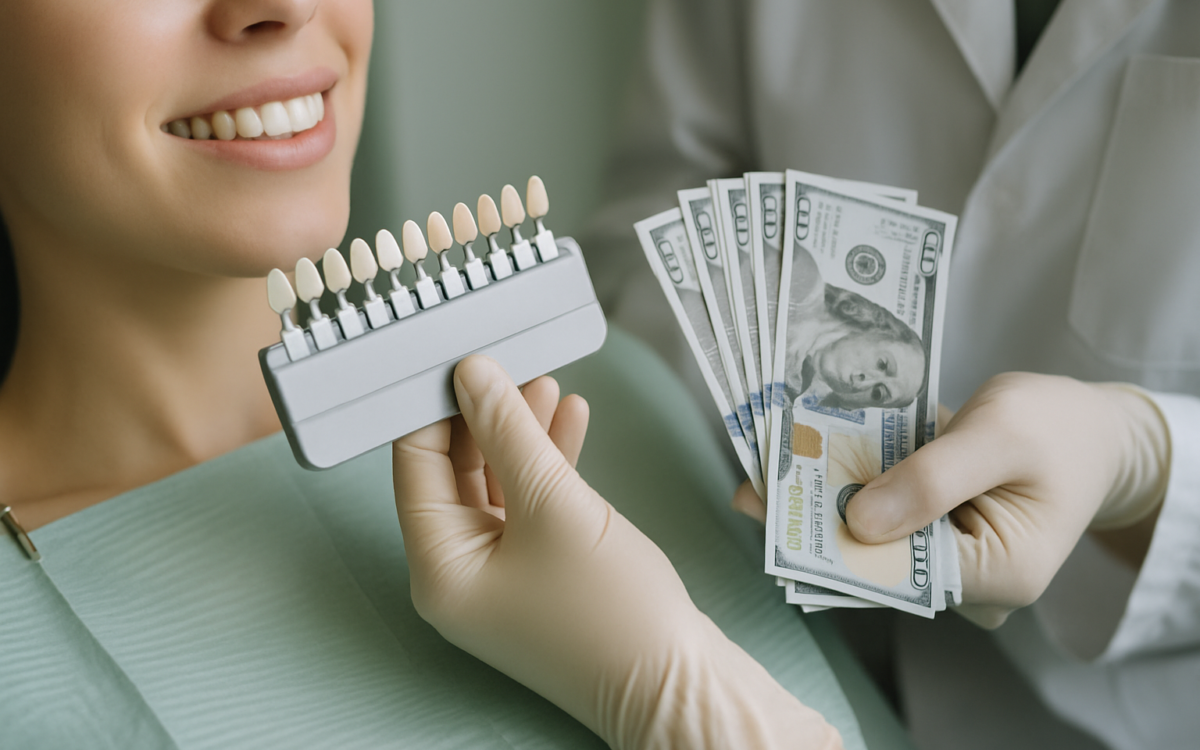
Having bright, white teeth can boost your confidence and enhance your smile. But how much does teeth whitening cost? When considering brightening your grin, it’s essential to understand the expenses involved, the different methods available, and what factors can influence pricing. In this article, we will break down these elements, helping you make an informed decision.
What Influences Teeth Whitening Costs?
The cost of teeth whitening can vary widely based on several factors. Here are some of the main elements that determine the price you might pay:
- Method of Whitening: There are various methods for whitening teeth, each with different associated costs. The most common options include professional treatments performed by a dentist, over-the-counter products, and at-home remedies.
- Location: The cost can vary significantly depending on where you live. Urban areas often have higher prices than rural locations.
- Underlying Dental Health: A person’s overall dental health can influence pricing. Those with cavity issues or gum disease may need to address these health concerns before pursuing whitening.
- Frequency of Treatment: Some people may require multiple sessions or frequent touch-ups, which can increase the overall cost.
Exploring Professional Teeth Whitening Options
Professional teeth whitening tends to be the most effective and safest option. Here’s a closer look at the costs involved:
In-Office Treatments
In-office whitening is performed by dental professionals and typically costs between $500 and $1,000 per session. This method uses a higher concentration of bleaching agents than over-the-counter products, which can produce faster results. The treatment process generally takes about an hour, and many patients see significant improvement after just one session.
Take-Home Kits from Dentists
Some dentists offer take-home whitening kits, which range from $200 to $400. These kits often include custom-fit trays and professional-grade whitening gel. While it may take longer to achieve desired results compared to in-office treatments, many patients find that these kits offer a balance of effectiveness and convenience.
Over-the-Counter Teeth Whitening Products
For those seeking budget-friendly alternatives, numerous over-the-counter (OTC) products are available. These include whitening strips, gels, and toothpaste. Here’s what to consider:
Cost-Effectiveness
OTC whitening products typically range in price from $20 to $60. While they can be effective, especially for minor discoloration, they may not yield the same results as professional treatments. Results tend to vary by brand and concentration of the active ingredient.
Safety and Efficacy
According to the Mayo Clinic, it’s crucial to follow the instructions carefully when using these products to avoid sensitivity or damage to the enamel. Consulting with your dentist before starting any whitening program is advisable, especially if you have sensitive teeth or other dental concerns.
Natural Remedies and Home Whitening Techniques
Some people opt for natural remedies, such as baking soda or activated charcoal, to whiten their teeth. While these methods can be inexpensive, costing just a few dollars, their effectiveness is often debated.
The Risks Involved
Using baking soda in moderation can be safe, but it may not provide dramatic results. Some natural whitening agents can be abrasive and lead to enamel wear or gum irritation if used excessively. Always exercise caution and consult a dental professional before trying any home remedies.
Dental Insurance and Teeth Whitening Costs
Most dental insurance plans do not cover teeth whitening procedures. However, if you have significant dental issues that require treatment prior to whitening, your insurance may cover those costs. Be sure to check with your insurance provider about your specific coverage.
Maintaining Your Bright Smile
After investing in teeth whitening, maintaining your results is crucial. Here are some tips to help you keep your smile bright:
- Avoid foods and drinks that can stain your teeth, such as coffee, red wine, and dark berries.
- Practice good oral hygiene by brushing twice daily and flossing regularly.
- Consider touch-up treatments if necessary, whether they are professional or at-home.
When to See a Doctor
If you experience persistent tooth sensitivity, gum irritation, or if you have underlying dental issues, it’s important to consult your dentist. They can recommend the best approach for your teeth whitening needs and ensure that your oral health is not compromised.
In conclusion, teeth whitening costs can vary based on numerous factors, including the method chosen and individual dental health. Whether opting for professional treatments or exploring at-home solutions, understanding the costs involved will help you make the best decision for your radiant smile.
