
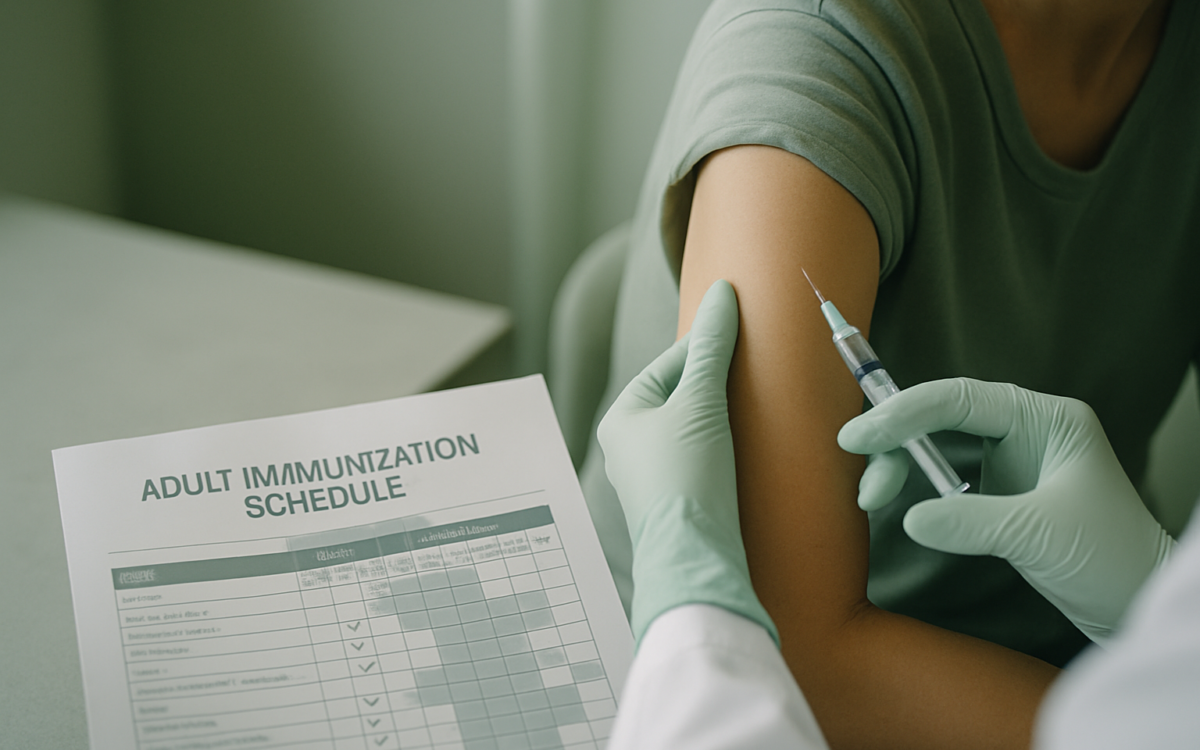
As we grow older, our bodies change, and so do our health needs. One aspect of maintaining good health that often gets overlooked is vaccination. While many people associate vaccines with childhood, immunization is equally important for adults. Staying up-to-date with the adult immunization schedule is crucial for protecting not just our own health, but also the health of those around us.
The Importance of Vaccination in Adults
Many adults may assume they are already immune to diseases or that they don’t need vaccines anymore. However, immunity can wane over time, leading to increased susceptibility to serious infections. By keeping up with vaccinations, adults can:
- Prevent common diseases such as influenza, pneumonia, and shingles
- Reduce the risk of severe illness and hospitalization
- Protect vulnerable populations, such as the elderly and immunocompromised individuals
Recommended Vaccines for Adults
The Centers for Disease Control and Prevention (CDC) offers guidelines on the vaccines recommended for adults based on age, medical conditions, and lifestyle. Below are some key vaccines that many adults should consider:
- Influenza (Flu) Vaccine: Recommended annually for everyone over six months old.
- Tdap (Tetanus, Diphtheria, Pertussis): A booster is recommended every 10 years.
- Shingles Vaccine: Recommended for adults over 50, usually given in two doses.
- Pneumococcal Vaccines: Recommended for those over 65 and younger adults with certain health conditions.
- Human Papillomavirus (HPV) Vaccine: Recommended for adults up to age 26, and some adults aged 27-45 may benefit.
How to Keep Track of Your Vaccinations
Maintaining a record of your vaccinations is essential. Here are some tips on how to keep track:
- Ask your healthcare provider for a vaccination record during your visits.
- Use a personal health app or electronic health record to store your information.
- Check your local health department for vaccination records if you have lost yours.
Immunization for Special Populations
Some adults may fall into special categories that require specific vaccines. For example:
- Those with chronic health conditions like diabetes may need more frequent vaccinations.
- Pregnant women require specific vaccines, such as the Tdap and flu vaccines, to protect both themselves and their babies.
- Travelers to certain countries should ensure they are up-to-date on vaccines that prevent diseases more common in those areas.
Understanding Vaccine Myths
Despite the proven benefits of vaccines, many myths persist. It’s important to address these misconceptions:
- Myth: Vaccines are only for children. Reality: Adults need vaccines too, as immunity can decrease over time.
- Myth: Getting multiple vaccines at once can overload the immune system. Reality: Research shows that vaccines are safe and effective even when given together.
- Myth: Natural immunity is better than vaccine-acquired immunity. Reality: Vaccines can provide immunity without the risks of severe disease.
When to See a Doctor
If you are unsure about your vaccination status or have specific health concerns, consider scheduling a visit with your healthcare provider. They can offer personalized advice based on your medical history and lifestyle.
Conclusion
Keeping your vaccinations up to date can be a simple yet powerful way to safeguard your health. Review your immunization needs regularly, and don’t hesitate to reach out to a healthcare provider with any questions. Remember, being proactive about your health not only benefits you but also contributes to the well-being of your community.
