
Your health is one of your most valuable assets, and understanding the tests that help monitor it is essential. One key test that can provide a wealth of information about your health is the basic metabolic panel (BMP). This simple blood test measures several important substances in your blood, helping healthcare providers assess your metabolism, kidney function, and more. In this article, we’ll explore what the BMP is, what it includes, and why it matters.
What is a Basic Metabolic Panel?
The basic metabolic panel is a blood test that evaluates various components in your blood. It typically includes measurements of glucose, calcium, electrolytes, and waste products. By analyzing these substances, healthcare providers can gain insights into your overall metabolic health and organ function.
Components of a Basic Metabolic Panel
A standard BMP usually consists of the following components:
- Glucose: This is the sugar in your blood that your body uses for energy. Abnormal levels may indicate problems with blood sugar regulation, such as diabetes.
- Calcium: Essential for bone health and muscle function, calcium levels can reveal issues with your parathyroid gland and kidney function.
- Sodium: This electrolyte helps maintain fluid balance in the body. Abnormal sodium levels can affect hydration and blood pressure.
- Potassium: Important for muscle and nerve function, potassium levels can indicate how well your kidneys are working.
- Chloride: This electrolyte helps maintain fluid and acid-base balance in the body.
- Carbon Dioxide (Bicarbonate): This component helps assess the body’s acid-base balance and respiratory function.
- BUN (Blood Urea Nitrogen): A waste product from protein metabolism, BUN levels can indicate kidney function.
- Creatinine: This waste product is produced by muscle metabolism and is another important marker for kidney function.
Why is the Basic Metabolic Panel Important?
The BMP is important because it provides crucial information about your body’s metabolic processes. It can help identify issues early on—ranging from kidney disease and diabetes to electrolyte imbalances and dehydration. By detecting these conditions early, preventive measures can be taken, which can significantly improve health outcomes.
How is the Basic Metabolic Panel Conducted?
The process of getting a BMP is relatively straightforward:
- Preparation: In many cases, your healthcare provider will advise you to fast for 8-12 hours before the test for the most accurate results. However, always follow your doctor’s instructions.
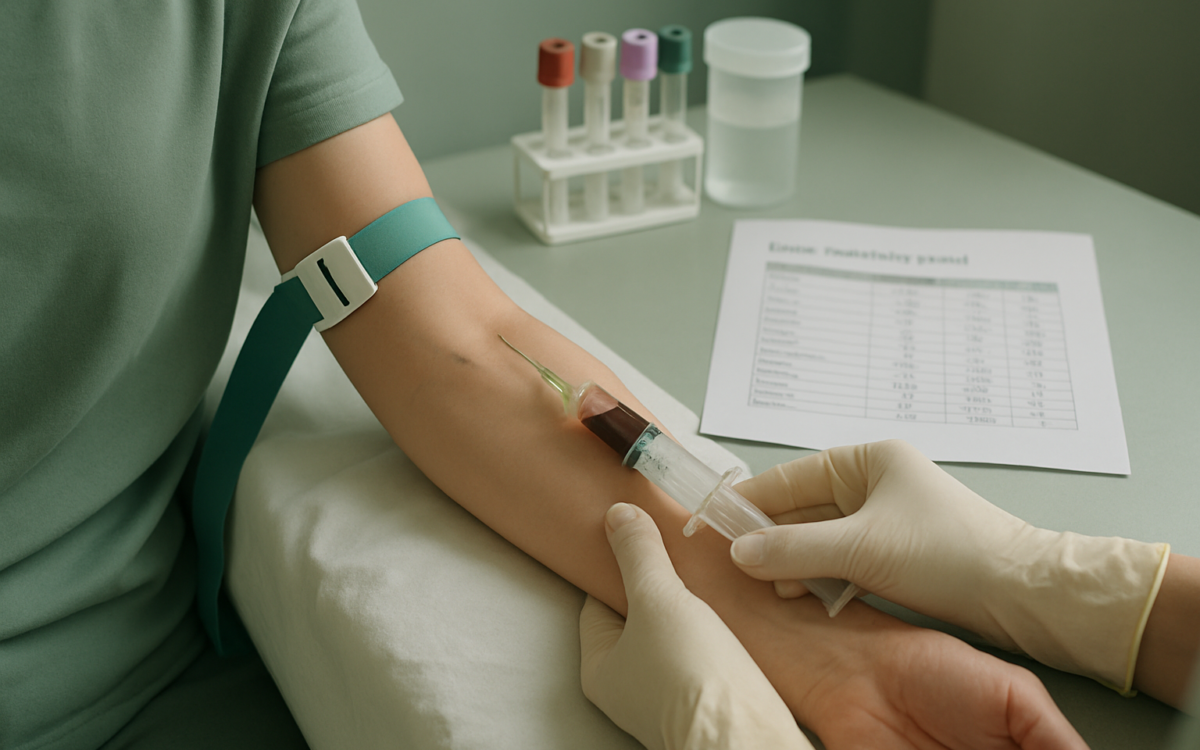
- Blood Draw: A healthcare professional will draw a small amount of blood, typically from a vein in your arm.
- Laboratory Analysis: The blood sample is sent to a lab, where it is analyzed for the components listed in the BMP.
- Results: Typically, you will receive your results within a few days. Your healthcare provider will discuss the findings with you and any next steps if necessary.
Understanding Your Results
Your BMP results will contain the levels of each component measured. Understanding what these levels mean is crucial:
- Normal ranges can vary by age, sex, and other factors, so it’s important to discuss your specific results with your healthcare provider.
- Abnormal results might not always indicate a serious problem. Factors like dehydration, diet, or medications can influence your results.
- Your doctor may recommend follow-up tests or procedures if your BMP results are abnormal to pinpoint any underlying issues.
Limitations of the Basic Metabolic Panel
While the BMP is a valuable tool for assessing health, it has its limitations:
- The BMP does not provide a complete picture of health; it is one part of a comprehensive assessment. Additional tests may be necessary for a full evaluation.
- It focuses primarily on metabolic and kidney health but does not cover liver function, thyroid function, or other essential areas.
- Some conditions might not be detectable through this panel alone, emphasizing the importance of regular check-ups and discussions with your healthcare provider.
When to See a Doctor
If you experience symptoms such as frequent urination, extreme thirst, fatigue, confusion, or unusual heart rhythms, it is important to consult your doctor. These symptoms may indicate an underlying issue related to metabolic function or electrolyte balance, and a BMP may be recommended to evaluate your health.
Additionally, it’s wise to schedule regular check-ups and blood tests as part of preventive care, especially if you have a history of health issues affecting your metabolism or kidneys.
In conclusion, the basic metabolic panel is a key tool in monitoring your health. By understanding its components, significance, and what to expect from testing, you can take proactive steps toward maintaining your well-being. Always feel empowered to ask questions and discuss your results with your healthcare provider for the best outcomes.
