
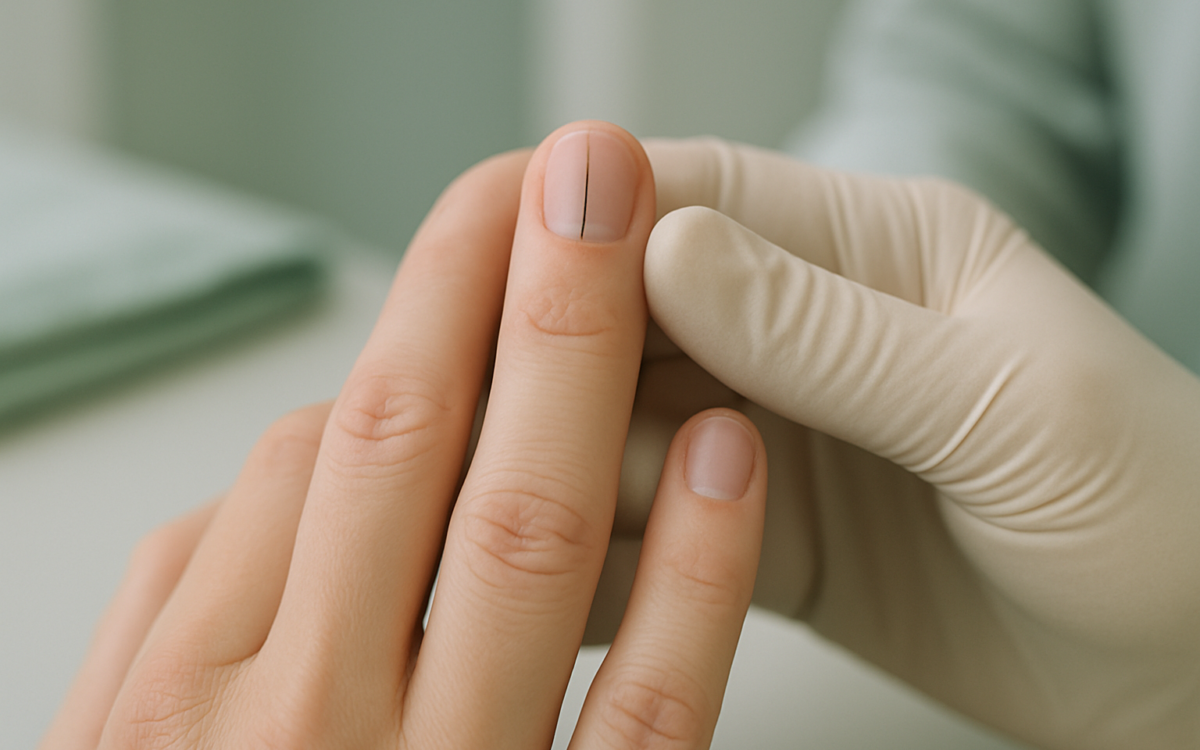
Nails can tell us a lot about our overall health, serving as a window into our bodies. One common concern that many people encounter is the appearance of black lines running vertically or horizontally across the nails. While the sight of these lines can be alarming, understanding their causes and significance can help ease worries and guide appropriate actions.
What Are Black Lines on Nails?
Black lines on nails, also known as melanonychia, can appear as thin streaks or broad bands. They tend to develop on the nail plate, which is the hard part of the nail. These lines can occur on one or several nails and are often more pronounced in individuals with darker skin tones.
Possible Causes of Black Lines
There are several potential causes for black lines on nails, ranging from harmless to concerning. Here are some of the most common:
- Subungual Hematoma: This is a bruise that occurs underneath the nail, usually due to an injury or trauma. It can result in a black or dark red appearance as blood pools and clots beneath the nail.
- Fungal Infections: Certain fungal infections can cause discoloration of the nails, including the appearance of dark lines. These infections might also cause other symptoms like nail brittleness or changes in nail texture.
- Melanoma: This serious form of skin cancer may present as a dark streak on the nail. While melanoma on nails is rare, the appearance of a new black line, especially if it changes in color, size, or shape, warrants medical attention.
- Medications: Some medications, including certain chemotherapy drugs, can cause nail changes, including discoloration. Discussing medication side effects with your healthcare provider can help clarify if this is the cause.
- Underlying Health Conditions: Conditions such as psoriasis or other skin disorders can affect nail appearance. In some cases, systemic health issues may lead to changes in nail pigmentation.
Assessing the Appearance of Black Lines
The appearance of black lines can vary significantly. It’s essential to assess the characteristics of the lines:
- Location: Are the lines present on one nail or multiple nails? Lines on multiple nails might suggest a systemic issue, while a single nail could indicate localized trauma or infection.
- Width and Color: Are the lines thick or thin? Dark blue or black lines might raise more concern compared to lighter or faded colors.
- Changes Over Time: Have you noticed any changes in the lines regarding size, shape, or color? Rapid changes can be more concerning and should be evaluated by a healthcare professional.
Injury and Trauma: A Common Cause
One of the most common causes of black lines on nails is injury or trauma. This often occurs from activities like hitting your finger with a hammer, catching it in a door, or any situation that applies pressure to the nail. If you’ve had a recent injury, it’s worth considering if that could be the cause of any nail discoloration. Typically, the discoloration fades with time as the nail grows out, but keep an eye on it for changes.
Nail Care and Treatment Options
If you’re concerned about black lines on your nails, consider these general care tips:
- Maintain Nail Hygiene: Regularly clean and trim your nails to reduce the risk of infections.
- Protect Your Nails: Wear gloves while engaging in activities that might cause injury to your hands and nails.
- Moisturize: Keeping your nails and cuticles moisturized can promote overall nail health.
When to See a Doctor
If you notice new black lines on your nails, especially if they arise suddenly or change over time, it’s essential to consult with a healthcare professional. Some indicators that warrant a doctor’s visit include:
- Lines that are widening or changing color
- The presence of accompanying symptoms like pain or swelling
- Changes in the structure of the nail, such as thickness or fragility
Healthcare professionals may perform a thorough examination, run tests, or conduct a biopsy if needed to determine the underlying cause.
Conclusion
While black lines on nails can be concerning, many cases are harmless and can be traced back to trauma or minor issues. However, it’s crucial to stay informed and proactive about changes in your nails, as they can reflect aspects of your overall health. If you have ongoing concerns or notice significant changes, don’t hesitate to reach out to your healthcare provider. Remember, early detection is key in addressing any potential health issues.
