
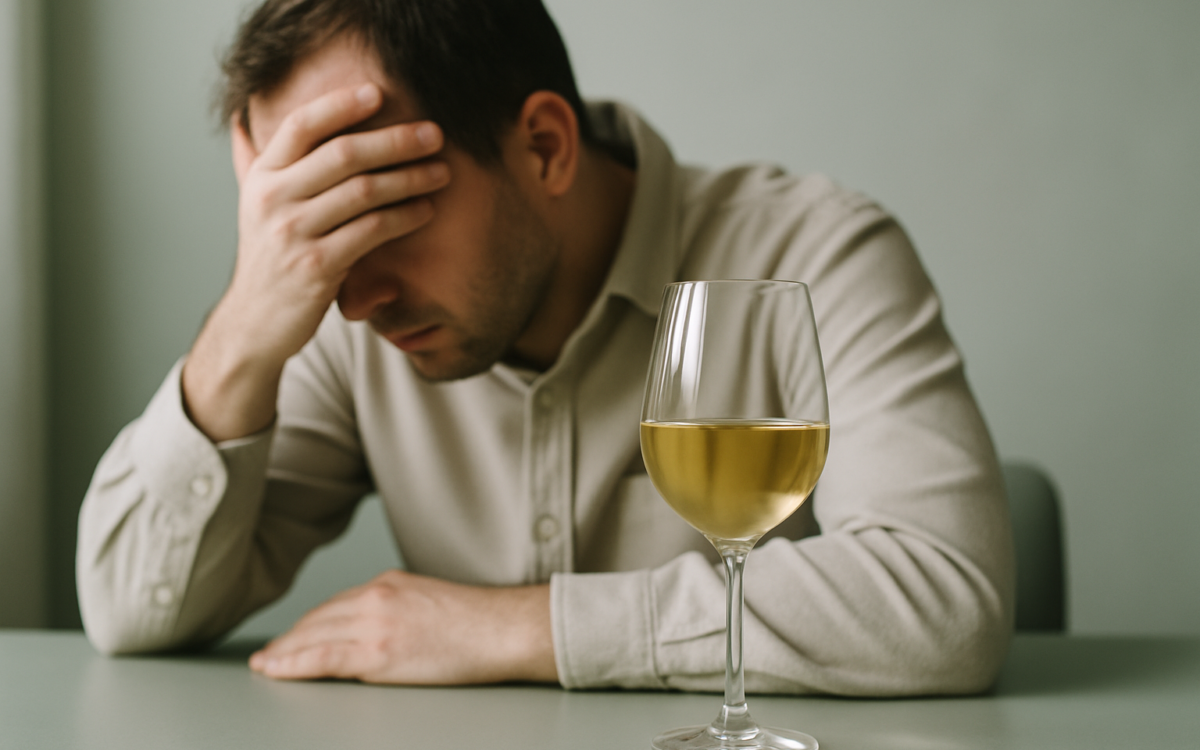
When it comes to drinking alcohol, many individuals wonder about the duration of drunkenness and how it affects their bodies. Understanding the timeline of intoxication can help you make informed decisions about drinking responsibly and knowing when it’s safe to drive or perform other tasks. In this article, we’ll explain what factors influence how long you feel drunk and when you might need to seek medical advice.
The Basics of Alcohol Metabolism
Alcohol is processed by your body primarily in the liver, where enzymes break it down. The rate at which individuals metabolize alcohol varies, but on average, the body can eliminate approximately one standard drink per hour. A standard drink is typically defined as:
- 12 ounces of beer (with about 5% alcohol content)
- 5 ounces of wine (with about 12% alcohol content)
- 1.5 ounces of distilled spirits (with about 40% alcohol content)
Keep in mind that factors such as age, gender, body weight, and overall health can affect how quickly your body processes alcohol. Generally, the more you drink, the longer it takes for your body to clear the alcohol from your system.
Factors Influencing the Duration of Drunkenness
Several factors can influence how long drunkenness lasts:
1. Body Weight and Composition
Heavier individuals tend to have more body water, which can dilute alcohol’s effects. Thus, someone who weighs more might not feel the effects of alcohol as intensely as someone lighter. Additionally, muscle mass can affect alcohol metabolism; more muscle means a higher capacity to process alcohol.
2. Gender Differences
Research indicates that women may feel the effects of alcohol more quickly than men. This is partly due to biological differences, such as lower body water content and hormonal factors. As a result, women may experience drunkenness and its effects over a shorter duration than men, even after consuming the same amount of alcohol.
3. Food Intake
Eating food before or while drinking can slow the absorption of alcohol into the bloodstream. A full stomach delays the path of alcohol into the small intestine, where it gets absorbed more efficiently. Therefore, individuals who eat before drinking may experience a longer duration of sobriety versus those who drink on an empty stomach.
4. Type of Alcohol
The type of alcoholic beverage you choose can also influence how long you feel drunk. Drinks with a higher alcohol content, like spirits, can lead to more rapid intoxication. Cocktails that mix sugary ingredients might also mask the taste of alcohol, leading individuals to consume more than they realize.
5. The Rate of Consumption
How quickly you drink can greatly impact your level of intoxication. Rapid consumption leads to higher blood alcohol concentration (BAC), resulting in stronger and longer-lasting effects. Sipping a drink slowly allows your body more time to process the alcohol.
Stages of Intoxication
Understanding the stages of intoxication can provide insight into how long you might feel drunk:
1. Euphoria (0.01 – 0.12% BAC)
In this stage, individuals may feel relaxed, sociable, and talkative. This phase can occur just after drinking.
2. Excitement (0.09 – 0.25% BAC)
As BAC rises, the effects become more pronounced. This is often when individuals start to feel more impaired, with decreased coordination and cognitive function.
3. Confusion (0.18 – 0.30% BAC)
At this level, individuals may struggle with understanding, coordination, and decision-making, leading to intoxication that lasts longer.
4. Stupor (0.25 – 0.50% BAC)
Serious impairments occur in this stage. Individuals may be unable to respond to stimuli, and the risk of overdose increases significantly.
5. Coma and Death (above 0.40% BAC)
At this point, there is a serious risk of life-threatening alcohol poisoning. The effects can last for several hours, leading to a prolonged state of drunkenness or unconsciousness.
Hangovers: The Aftermath of Drunkenness
After the effects of alcohol wear off, many individuals experience a hangover, which can last anywhere from several hours to a full day. Common symptoms include headaches, nausea, fatigue, and sensitivity to light and sound. Drinking water and resting can help alleviate some hangover symptoms, but the best way to avoid a hangover is to drink in moderation.
When to See a Doctor
If you or someone you know has consumed a significant amount of alcohol and shows signs of alcohol poisoning—such as confusion, vomiting, seizures, slow or irregular breathing, hypothermia, or unconsciousness—seek emergency medical help immediately. It is crucial to recognize the signs and take action, as alcohol poisoning can be life-threatening. For additional resources on alcohol safety, you can visit the CDC Alcohol and Public Health.
Final Thoughts
Understanding how long being drunk lasts can help you make informed choices about alcohol consumption. Factors such as weight, gender, food intake, and the type and rate of alcohol consumption all play critical roles. Remember, your safety and the safety of those around you should always come first. If you’re concerned about how alcohol affects your health, consider discussing it with your healthcare provider.
