
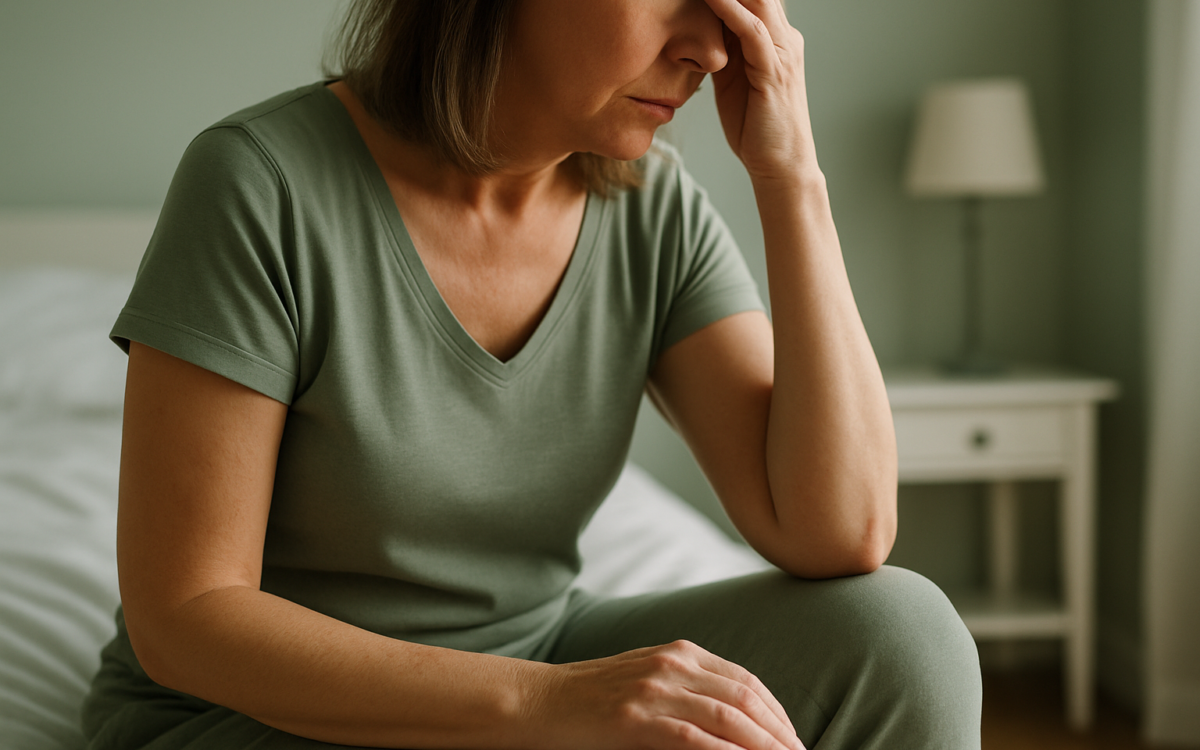
Menopause is a natural phase in a woman’s life, marking the end of her reproductive years. While this transition can bring relief from menstrual cycles, it can also come with a range of symptoms that affect daily life. Understanding how long menopause symptoms last is essential in preparing for and managing this stage effectively.
What Are Menopause Symptoms?
Menopause symptoms can vary from woman to woman, but they typically include:
- Hot flashes
- Night sweats
- Irregular periods
- Sleep disturbances
- Mood swings
- Weight gain
- Vaginal dryness
These symptoms are caused by hormonal changes, primarily the decline of estrogen production by the ovaries. The onset of menopause can occur at any time between the late 40s to early 50s, with symptoms often beginning in the perimenopausal phase, which can occur several years before menopause actually starts.
How Long Do Menopause Symptoms Last?
The duration of menopause symptoms can vary greatly among women. For some, symptoms may last only a few months, while for others, they can persist for several years. According to the National Institutes of Health, many women report experiencing symptoms for an average of 7 to 9 years after their last menstrual period. However, specific symptoms may linger for longer.
Factors Influencing the Duration of Symptoms
1. Age at Menopause: Women who experience menopause earlier (before age 45) may deal with symptoms for a more extended period.
2. Genetics: Family history can play a role in how long symptoms last. If your mother experienced symptoms for several years, you might too.
3. Lifestyle Factors: Diet, exercise, smoking, and alcohol consumption can impact symptom severity and duration. For example, women who smoke may experience more severe symptoms than nonsmokers.
4. Health Conditions: Certain medical conditions such as thyroid disorders or obesity can exacerbate menopausal symptoms, potentially extending their duration.
The Menopausal Transition Phases
The progression through menopause generally follows three stages:
- Perimenopause: This is the transitional phase leading up to menopause, lasting several months to years, during which women may experience irregular periods and fluctuating hormones.
- Menopause: This stage is confirmed when a woman has not had a menstrual period for 12 consecutive months. Symptoms may be most intense during this time.
- Postmenopause: This phase continues for the rest of a woman’s life. Many women find that their symptoms decrease in intensity, but some may continue to experience issues like vaginal dryness.
Managing Menopause Symptoms
While menopause is a natural process, managing symptoms can significantly improve quality of life. Here are some strategies:
- Healthy Lifestyle Choices: Regular exercise, a balanced diet, and staying hydrated can help manage symptoms. Foods rich in phytoestrogens, like soy, may provide some relief.
- Stress Management: Techniques such as yoga, meditation, or deep-breathing exercises can alleviate stress and help manage mood swings.
- Medical Treatments: Hormone replacement therapy (HRT) is an option for some women, though it comes with considerations regarding risks and benefits. Discuss these options with a healthcare provider for personalized advice.
When to See a Doctor
If menopause symptoms interfere with your daily life, consider talking to your doctor. Symptoms like severe hot flashes, heavy bleeding, or emotional distress may require medical evaluation and intervention. It’s essential to consult with a healthcare provider to discuss treatment options tailored to your needs.
Conclusion
Understanding how long menopause symptoms last can be reassuring. While there may be challenges during this transition, many resources and strategies are available to help women navigate this phase successfully. Empowered with knowledge and support, women can find ways to enhance their well-being during menopause.
