
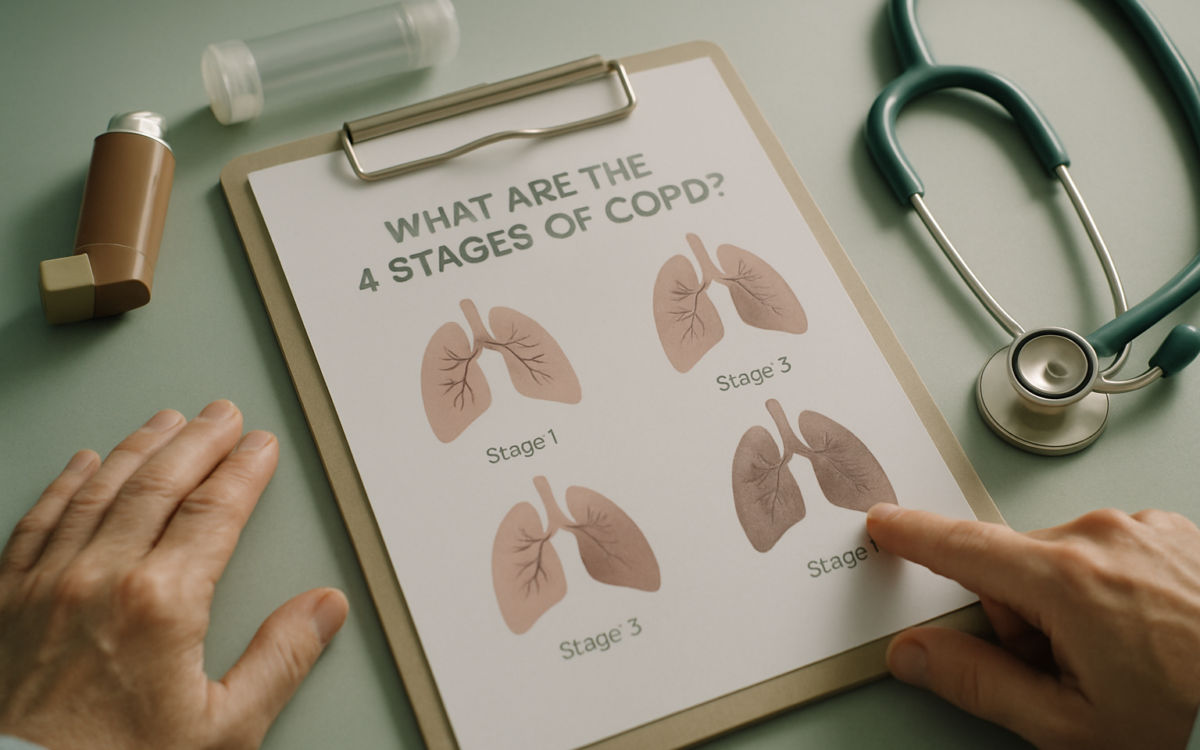
Chronic Obstructive Pulmonary Disease, commonly known as COPD, affects millions of people around the world. This progressive lung disease makes it challenging for individuals to breathe and can significantly impact quality of life. Understanding the stages of COPD can help patients, caregivers, and healthcare providers manage the condition effectively. In this article, we will explore the four stages of COPD, their symptoms, and what they mean for individuals living with this disease.
Stage 1: Mild COPD
The first stage of COPD is characterized by mild symptoms that often go unnoticed. Many individuals may not realize they have the disease at this point. Common symptoms include:
- Occasional breathlessness during exercise or physical activity
- Chronic cough, usually with mucus
- Frequent respiratory infections
In this stage, lung function begins to decline, but most people will still be able to carry out daily activities with minimal limitations. According to the National Institutes of Health, early detection through spirometry testing can lead to better management outcomes.
Stage 2: Moderate COPD
As COPD progresses to the second stage, symptoms become more pronounced. Individuals may experience:
- Increased shortness of breath, particularly during physical activity
- More persistent and frequent coughing
- Wheezing or chest tightness
- Fatigue and difficulty sleeping due to breathing issues
At this point, many people start to notice how the disease affects their daily life. They might cut back on activities that require physical exertion. It’s crucial to consult healthcare providers for effective management strategies, such as quitting smoking and utilizing prescribed medications.
Stage 3: Severe COPD
In stage three, or severe COPD, symptoms become significantly worse, and individuals often find it challenging to complete everyday tasks. Symptoms may include:
- Severe breathlessness, even while resting
- Daily coughing with sputum
- Frequent exacerbations, which are episodes where symptoms worsen
- Increased fatigue and difficulty with physical activities
Patients at this stage are encouraged to seek more comprehensive treatment, which may include oxygen therapy and pulmonary rehabilitation programs. A study published by the World Health Organization emphasizes the importance of continued support for individuals with severe COPD.
Stage 4: Very Severe COPD
The final stage of COPD is known as very severe COPD, where individuals face substantial limitations in their physical capabilities. This stage may involve:
- Sustained breathlessness even at rest
- Frequent hospitalizations due to worsening symptoms
- Severe limitations in daily activities and independence
- Potential for heart problems related to lung issues
At this advanced stage, it’s essential for patients to work closely with their healthcare team to manage symptoms and consider all available treatment options, including palliative care. Resources from the Mayo Clinic provide valuable information for those in this stage on how to cope and find support.
Coping with COPD Across All Stages
Regardless of the stage of COPD, coping strategies can improve quality of life. Here are some important tips:
- Stay Active: Engaging in gentle exercises can help maintain lung function. Consult with healthcare providers for tailored exercise plans.
- Join Support Groups: Connecting with others facing similar challenges can provide emotional support and practical advice.
- Follow Treatment Plans: Adhering to prescribed medications and treatment plans is crucial for managing symptoms effectively.
- Monitor Symptoms: Keeping a journal of symptoms can help identify triggers and changes in condition.
When to See a Doctor
If you notice persistent symptoms such as coughing, wheezing, or increased breathlessness, it’s essential to consult your healthcare provider. Early intervention can make a significant difference in managing COPD effectively. Regular check-ups and spirometry tests are vital for tracking the disease’s progression.
Conclusion
COPD is a complex and progressive disease that affects many individuals worldwide. Understanding the four stages of COPD can empower patients and their families to recognize symptoms, seek appropriate medical care, and implement effective coping strategies. Whether in the early or advanced stages, support and proper management can significantly enhance quality of life for those living with COPD.
