
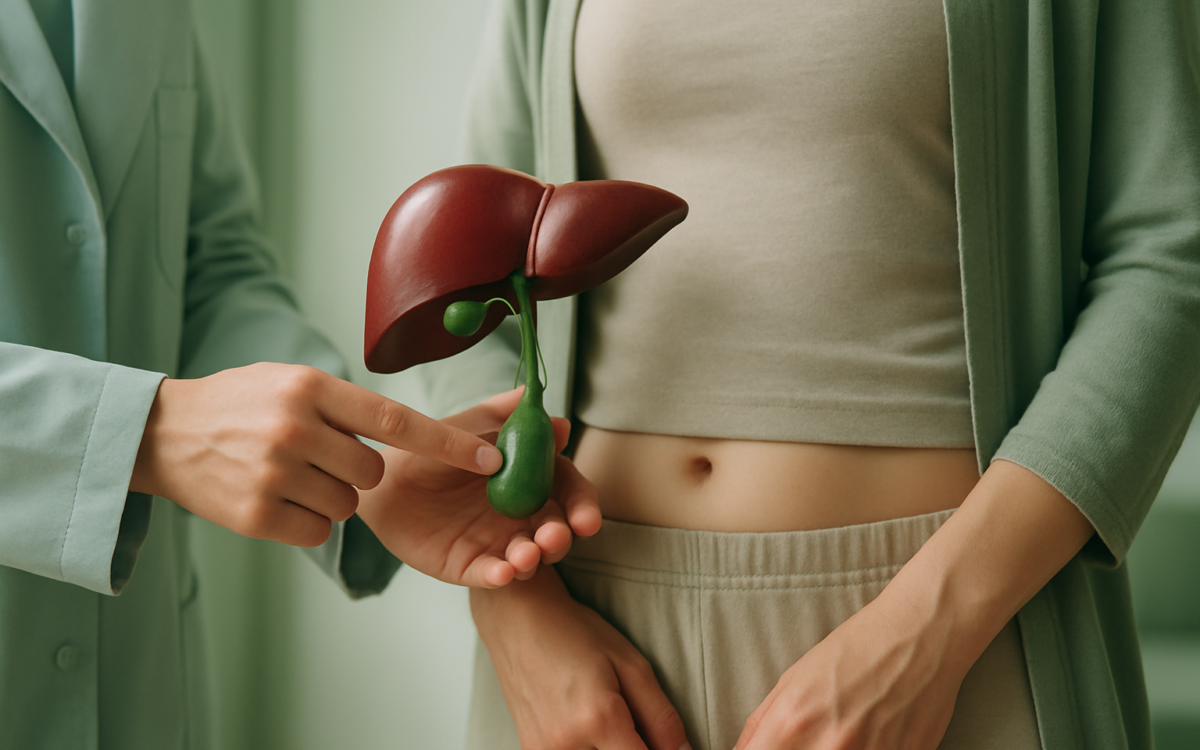
The gallbladder is a small but crucial organ that plays a significant role in our digestive health. Many people know very little about this organ, including its exact location in the body. Understanding where the gallbladder is situated can help you become more aware of the signs of gallbladder-related issues and their implications for overall health.
What Is the Gallbladder?
The gallbladder is a pear-shaped pouch located under the liver. This small organ plays a vital role in digesting food by storing and concentrating bile, a fluid produced by the liver. Bile helps break down fats in the digestive process and is released into the small intestine when needed.
Where Is the Gallbladder Located?
The gallbladder is tucked away on the right side of the abdomen, nestled beneath the liver. To visualize its location better, imagine placing your right hand just beneath your ribcage. The gallbladder lies there, just under the liver, which sits in the upper right quadrant of your abdomen.
Function of the Gallbladder
Knowing where the gallbladder is located is only part of the story. Understanding its function helps clarify its importance:
- Storage of Bile: The gallbladder holds bile produced by the liver when it is not immediately needed for digestion. This allows the body to effectively manage fat breakdown at meal times.
- Concentration of Bile: The gallbladder concentrates bile, making it more effective in digesting fats.
- Bile Release: When you eat, the gallbladder contracts, releasing stored bile into the small intestine to assist with digestion.
Common Gallbladder Issues
Several conditions can affect the gallbladder’s health and function. Here are a few common problems:
- Gallstones: These are hard deposits that can form in the gallbladder, often causing pain and discomfort. Gallstones can sometimes block the flow of bile, leading to complications.
- Cholecystitis: This is an inflammation of the gallbladder, which can happen due to gallstones or other factors. It can cause severe abdominal pain and requires medical evaluation.
- Gallbladder Cancer: Though rare, cancer can develop in the gallbladder. Early detection is essential for effective treatment.
Symptoms of Gallbladder Problems
If your gallbladder is not functioning properly, you may experience several symptoms, particularly after meals high in fat. Look out for:
- Sudden and intense pain in the upper right abdomen or the center of the abdomen.
- Pain that radiates to the back or right shoulder.
- Indigestion, bloating, or gas.
- Nausea or vomiting.
- Jaundice (yellowing of the skin and eyes), which can indicate a more serious problem.
How to Maintain Gallbladder Health
Taking steps to promote gallbladder health is essential for overall well-being. Consider these tips:
- Healthy Diet: Eating a balanced diet rich in fruits, vegetables, whole grains, and healthy fats can help maintain gallbladder function. Avoid excessive consumption of refined sugars and saturated fats.
- Stay Hydrated: Drink plenty of fluids, especially water, to support healthy digestion.
- Regular Exercise: Physical activity can aid digestion and help maintain a healthy weight, reducing the risk of gallstones.
When to See a Doctor
If you experience severe pain that may signal a gallbladder issue or notice symptoms that are persistent or worsening, it’s crucial to consult a healthcare professional. Additionally, if you experience jaundice or persistent digestive problems, seek medical attention promptly. Early diagnosis and intervention can make a significant difference in managing gallbladder health.
Conclusion
The gallbladder, while small in size, plays a significant role in our digestive health. Understanding where it is located and how it functions is essential for recognizing symptoms that may indicate a problem. By taking care of your digestive health and being mindful of gallbladder-related issues, you can support overall well-being. For more information on gallbladder health and related topics, visit reputable health sources such as the NIH, Mayo Clinic, and the World Health Organization.
