
Periodontal disease, commonly known as gum disease, is an infection of the tissues that surround and support your teeth. It begins with plaque, a sticky film of bacteria that forms on your teeth. If not removed, it can lead to inflammation of the gums, known as gingivitis, which can then progress to more severe forms of the disease. Understanding your treatment options is crucial not only for your dental health but for your overall well-being. In this article, we will explore various treatment options, their effectiveness, and when you should seek help.
What Causes Periodontal Disease?
Periodontal disease is primarily caused by poor oral hygiene that encourages plaque accumulation on teeth, leading to inflammation and infection of the gum tissue. Factors that can contribute to the development of this disease include:
- Poor oral hygiene: Inconsistent brushing and flossing can lead to plaque build-up.
- Smoking: Tobacco use greatly increases your risk.
- Genetics: Some individuals are more susceptible due to hereditary factors.
- Hormonal changes: Fluctuations in hormones, especially during puberty, pregnancy, or menopause, can make gums more vulnerable.
- Chronic diseases: Conditions like diabetes can affect your gums.
Initial Treatment Options
When diagnosed with periodontal disease, your dentist may recommend various initial treatment options, which often start with non-surgical methods.
Professional Cleaning
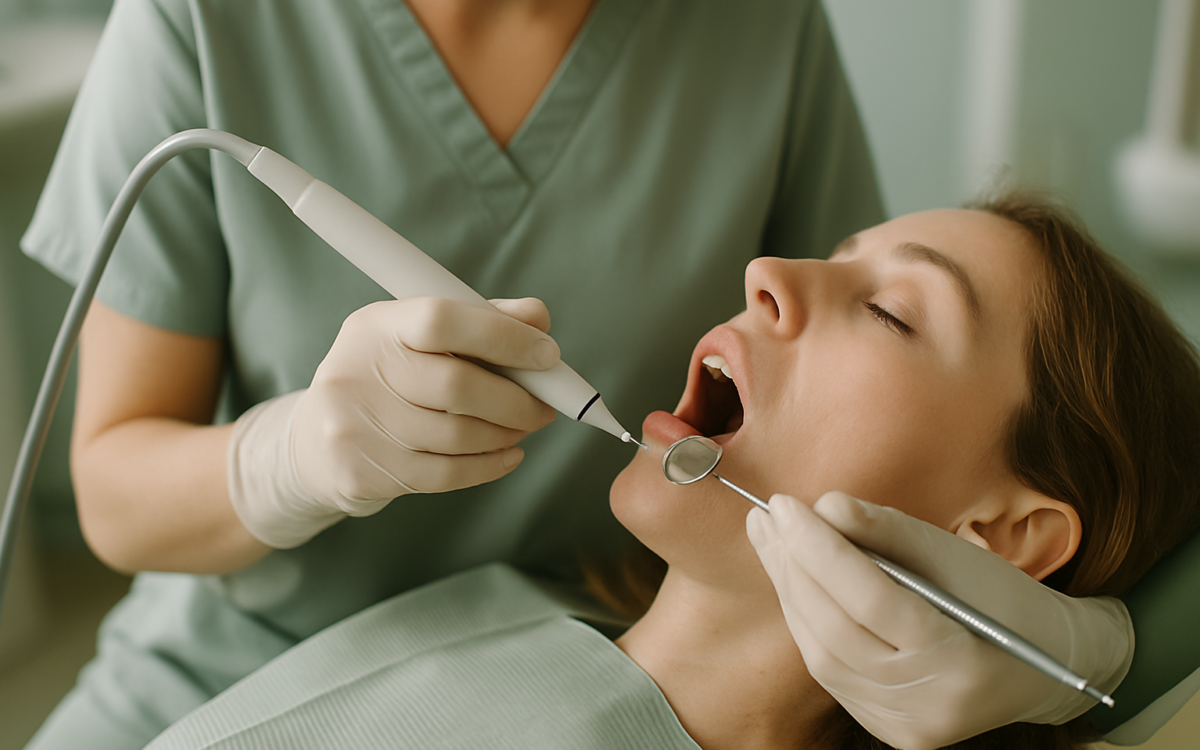
One of the first steps in treating periodontal disease involves professional cleaning, or scaling and root planing. This process removes plaque and tartar from above and below the gum line. The goal is to create a smooth surface on the roots of your teeth, allowing your gums to heal and reattach.
Antimicrobial Treatments
Your dentist may also prescribe antimicrobial mouth rinses to reduce bacteria. These can help reduce inflammation and support healing in the gums. These treatments may include mouthwashes that contain chlorhexidine or other antimicrobial agents.
Advanced Treatment Methods
If your periodontal disease is more advanced, you may require more aggressive treatment options. These can include:
Flap Surgery
In flap surgery, your dentist or periodontist will lift the gums away from the teeth to remove tartar deep under the gum line. The gums are then stitched back into place, making it easier to clean and maintain.
Bone Grafting
If your periodontal disease has caused bone loss, a procedure like bone grafting may be necessary. This involves taking bone from another part of your body or using synthetic bone material to rebuild the lost bone.
Soft Tissue Grafts
This procedure involves taking tissue from another area of your mouth and attaching it to the areas where your gums are receding. This helps restore gum tissue and protect your teeth.
Maintaining Oral Health Post-Treatment
After undergoing treatment for periodontal disease, maintaining good oral hygiene becomes crucial to prevent recurrence. Here are some tips to help:
- Regular brushing and flossing: Brush your teeth twice a day and floss daily to remove plaque.
- Regular dental visits: Ensure you have check-ups and cleanings at least every six months.
- Healthy diet: A balanced diet can bolster your immune system and help combat infections.
- Avoid tobacco: Quitting smoking can greatly enhance your oral health and promote healing.
Signs to Watch For
It’s important to recognize the signs of periodontal disease so that you can seek treatment promptly. Common indicators include:
- Bleeding gums during brushing or flossing.
- Swollen, red, or tender gums.
- Persistent bad breath.
- Loose or shifting teeth.
- Gums pulling away from teeth, making them look longer.
When to See a Doctor
If you notice any of the signs mentioned, it’s important to consult a dental professional without delay. Early intervention can often prevent more serious issues down the line. If you have chronic health conditions or are taking medications that affect your oral health, a discussion with your dentist can also provide insights into personalized care.
Understanding and treating periodontal disease is crucial for maintaining not just your dental health but your general health as well. It’s never too late to take action!
Conclusion
Periodontal disease treatment varies based on the severity of the condition. From simple professional cleanings to complex surgical procedures, there is a range of options available to help restore your gum health. Staying aware of your oral hygiene practices and recognizing the early signs of gum disease are key steps toward preventing and effectively managing this condition. If you suspect you may have periodontal disease, consulting with a dental professional is essential. They can guide you through the appropriate treatment pathways to ensure your smile remains bright and healthy.
