
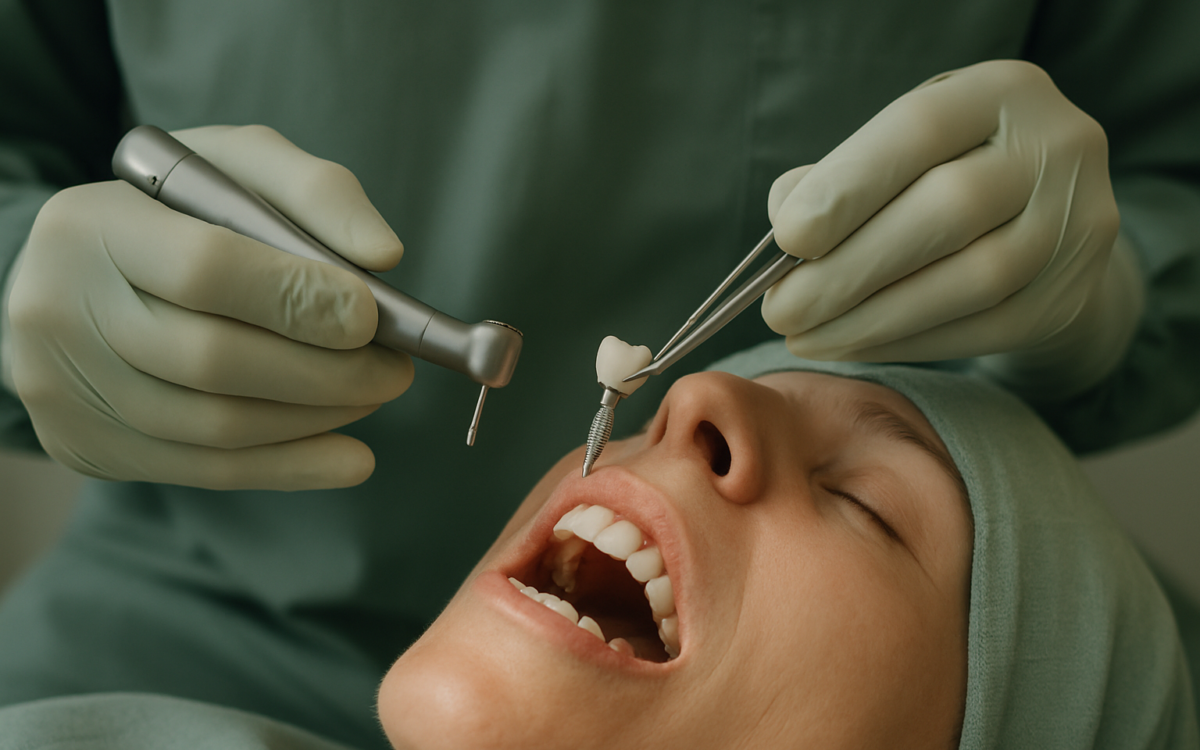
Dental problems can make everyday activities like eating and talking difficult. One of the modern solutions to missing or damaged teeth is the dental implant operation. This procedure has gained immense popularity due to its effectiveness and durability. In this article, we’ll explore what an implant teeth operation involves, its benefits, and what you can expect during recovery.
What is a Dental Implant?
A dental implant is a small titanium post that is surgically placed into the jawbone, where it acts as a root for a replacement tooth. This innovative approach provides a strong foundation for artificial teeth, making them feel more natural compared to conventional dentures or bridges.
The Implant Procedure Step-by-Step
Consultation and Planning
The first step involves a visit to your dentist or oral surgeon for a comprehensive evaluation. During this consultation, they will review your dental and medical history, conduct a physical exam, and possibly take X-rays or a CT scan to assess bone health. This information is crucial to determine if you are a suitable candidate for dental implants.
Surgical Placement
If approved for the procedure, the next step is the surgical placement of the implant. This is typically done under local anesthesia, although sedation may also be offered for anxious patients. The surgeon opens the gum to expose the bone and carefully drills a small hole where the implant will be placed. Once placed, the implant is covered with gum tissue.
Osseointegration
Following the surgery, a process called osseointegration begins. This is when the jawbone grows around the implant, securing it firmly in place. This process can take several months. Proper oral hygiene and follow-up care are essential during this healing period to ensure that the implant fuses well with the bone.
Abutment Placement and Crown Fitting
Once osseointegration is successful, a small connector known as an abutment is attached to the implant. This will hold the replacement tooth (crown) in place. After this, impressions are taken of your mouth to create a custom crown that matches your natural teeth. In some cases, the crown can be placed during the same visit as the abutment placement.
Benefits of Dental Implants
Dental implants offer numerous advantages:
- Improved Appearance: They look and feel like natural teeth, enhancing your smile.
- Better Oral Health: Unlike bridges, dental implants do not require altering adjacent healthy teeth.
- Durability: With proper care, implants can last many years, often a lifetime.
- Enhanced Comfort: Implants eliminate the discomfort often associated with removable dentures.
- Improved Functionality: You can eat, speak, and smile with confidence thanks to their stability.
Possible Risks and Complications
As with any surgical procedure, there are potential risks associated with dental implants. These may include:
- Infection at the implant site
- Injury to surrounding structures (nerves or blood vessels)
- Sinus issues for implants in the upper jaw
- Implant failure, which can occur if the implant does not properly fuse with the bone
While these risks exist, they are relatively uncommon, especially when the procedure is performed by a qualified dental professional.
Post-Operative Care and Recovery
Recovering from an implant teeth operation typically takes several weeks, depending on the individual and the complexity of the surgery. Here are some tips for a smoother recovery:
- Follow your dentist’s instructions: This includes any recommendations on pain management, medication, and dietary changes.
- Maintain oral hygiene: Keeping the surgical area clean is crucial to prevent infection.
- Eat soft foods: Stick to a diet of soft foods initially to avoid putting too much pressure on the implant.
- Avoid smoking: Smoking can impair healing and increase the risk of complications.
Regular check-ups with your dentist will also help ensure the healing process is progressing well.
When to See a Doctor
If you experience severe pain, swelling, or any signs of infection (such as fever or unusual discharge) following your implant operation, it’s important to consult your dentist right away. Timely attention can prevent complications and ensure the best outcome for your dental health.
In conclusion, an implant teeth operation can be a life-changing procedure for those with missing teeth. By understanding what the process involves and being aware of both the benefits and potential risks, you can make an informed decision about whether dental implants are right for you. Always remember to consult with your dental professional for tailored advice and information.
