
Intelligence is a complex and multifaceted trait that often sparks curiosity and debate. One of the most discussed tools for measuring intelligence is the IQ scale. But what does this scale really mean? How is it used, and what are its implications for individuals and society? Let’s delve into the nuances of the IQ scale and understand its significance.
What is the IQ Scale?
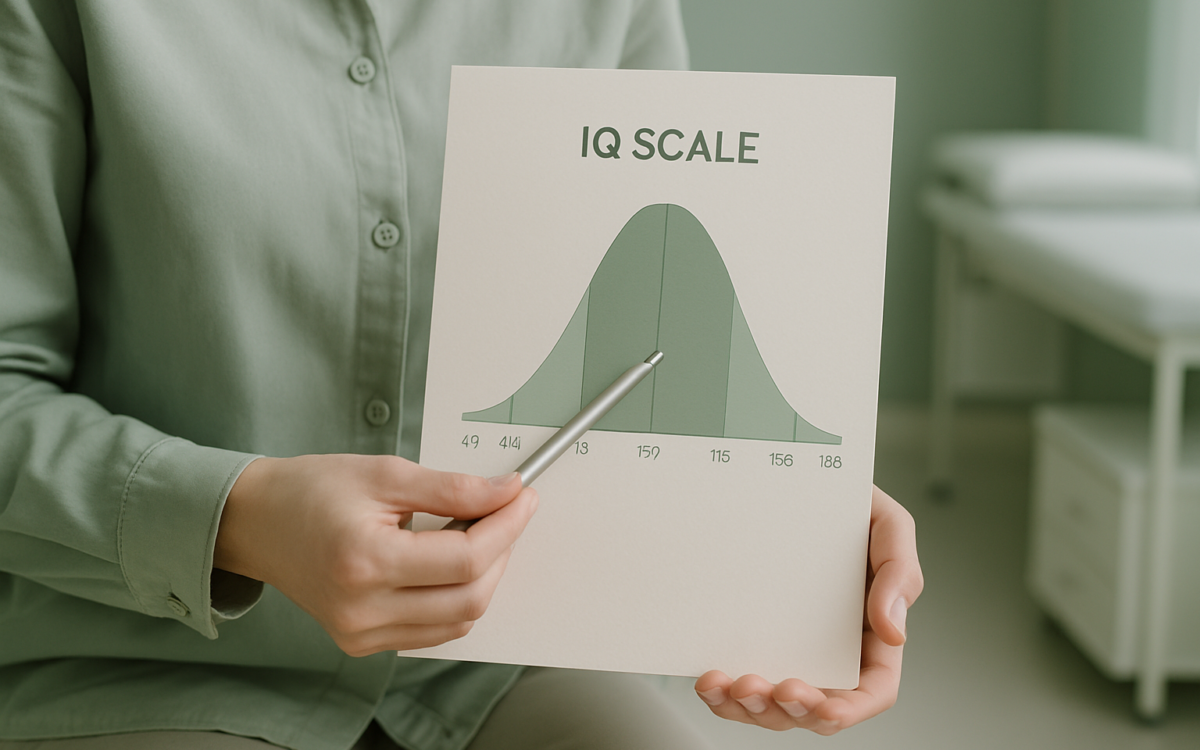
The IQ scale, or Intelligence Quotient scale, is a standardized method used to measure human intelligence. It originated in the early 20th century and was designed to assess cognitive abilities through a series of tasks and questions. The average IQ score is set at 100, and most people score within a range of 85 to 115. Essentially, the IQ scale serves as a comparative tool to understand where an individual’s cognitive capabilities lie within the general population.
The Scale’s Structure
The IQ scale is typically divided into ranges that categorize different levels of intelligence:
- Below 70: This range indicates significantly below-average intelligence.
- 70 to 84: Scores within this range are considered below average.
- 85 to 115: This is the average range, where most of the population falls.
- 116 to 130: Scores in this range are considered above average.
- Above 130: This indicates a high level of intelligence.
These classifications highlight a spectrum of cognitive abilities, but it’s important to remember that an IQ score is just one measure of intelligence.
How is IQ Measured?
IQ tests vary in format and content but generally assess a range of cognitive skills, including logic, reasoning, problem-solving, and verbal abilities. Common IQ tests include the Stanford-Binet and the Wechsler Intelligence Scale, both of which are designed to produce a reliable score that reflects a person’s cognitive capabilities. It’s essential to approach these tests with some understanding of their limitations: factors such as cultural background, education level, and emotional state can influence results.
The Impact of IQ Scores
IQ scores can play a significant role in various aspects of life, from educational opportunities to job prospects. For example, many schools use IQ assessments to identify students who may need additional support or those who excel and could benefit from advanced programs. However, while IQ can be an indicator of certain academic abilities, it should not be the sole factor influencing decisions about a person’s potential or worth.
Debunking Myths Surrounding IQ
There are many misconceptions regarding IQ and its implications:
- IQ scores measure all aspects of intelligence: While IQ tests assess specific cognitive abilities, they do not account for emotional intelligence, creativity, practical skills, or social intelligence.
- Higher IQ means greater success: Success is influenced by a blend of factors, including hard work, motivation, social skills, and opportunities, not solely IQ scores.
- IQ is fixed: Research suggests that IQ can change over time due to various factors such as education, environment, and mental health.
A more nuanced perspective on intelligence recognizes the complex interplay between various factors rather than reducing it to a single number.
Cultural Considerations in IQ Testing
IQ tests have often faced criticism due to potential cultural biases. The design of these tests may favor specific knowledge or reasoning styles prevalent in certain cultures. As Dr. Richard Nisbett noted in his research, the IQ of individuals from varied backgrounds can be influenced by cultural context, educational systems, and socio-economic conditions. Understanding these cultural factors is vital for interpreting IQ scores fairly and accurately. Thus, it is crucial to approach the results with a context-sensitive framework rather than an absolute judgment of ability.
When to See a Doctor
If you are concerned about cognitive abilities or changes in thinking skills, consider consulting a healthcare professional. They can provide additional assessments and support if needed. Remember, early intervention can be beneficial for cognitive challenges.
Conclusion
The IQ scale offers a glimpse into the multifaceted nature of intelligence, but it is not an exhaustive measure of a person’s capabilities or potential. While IQ tests can serve useful purposes in academic and occupational settings, they should be part of a broader understanding of cognitive abilities. Intelligence is varied and complex, and it is influenced by many aspects of our lives beyond what a test can measure. Embracing this complexity allows us to appreciate the diverse talents individuals bring to the world.
For more information on cognitive assessment and intelligence, feel free to visit reputable sources like the National Institutes of Health and the World Health Organization.
