
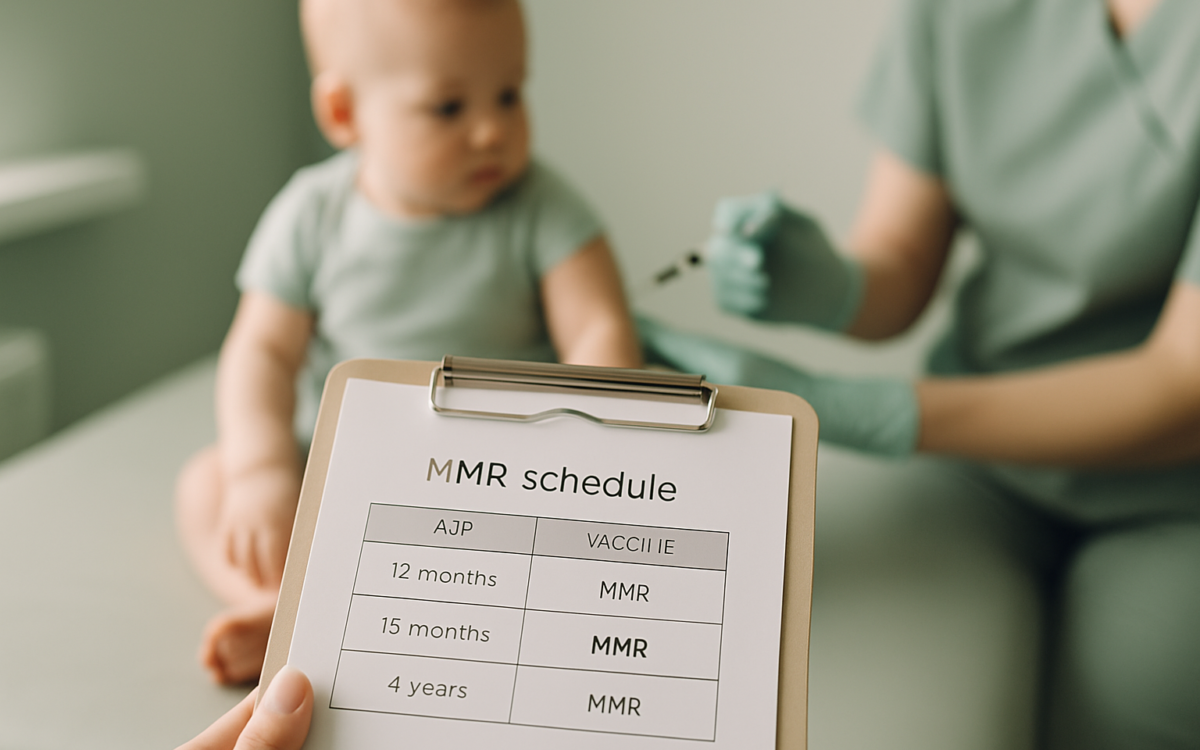
When it comes to keeping our children healthy, vaccination plays a crucial role in preventing serious illnesses. One of the essential vaccines on your child’s vaccination schedule is the MMR vaccine, which protects against measles, mumps, and rubella. Understanding the MMR vaccine schedule is key to ensuring your child receives this important protection at the right times.
What is the MMR Vaccine?
The MMR vaccine is a combination vaccine that provides immunity to three viral infections: measles, mumps, and rubella. Each of these diseases can lead to significant health complications. For instance, measles can cause pneumonia and encephalitis, mumps may result in swelling of the brain and ovaries or testicles, and rubella can affect unborn babies, leading to serious birth defects. The vaccine is crucial not only for the health of your child but also for the health of the community.
The Recommended MMR Vaccine Schedule
The CDC (Centers for Disease Control and Prevention) recommends that children receive the MMR vaccine in two doses:
- First Dose: Administered between 12 to 15 months of age.
- Second Dose: Administered between 4 to 6 years of age.
It is essential to stick to this schedule to provide optimal immunity against these infections. If your child is behind schedule, consult your healthcare provider about catch-up vaccinations to ensure they get protected as soon as possible.
Importance of Timeliness
Staying on schedule with the MMR vaccine is crucial due to the nature of the diseases it prevents. Measles, for example, is highly contagious and can spread easily among unvaccinated populations. The earlier your child receives their first dose, the sooner they will gain protection against these diseases. Waiting too long can put your child and others at risk, especially during outbreaks. Understanding the urgency and importance of timely vaccinations can help parents make informed decisions regarding their child’s healthcare.
What to Expect at the Vaccine Appointment
At the vaccine appointment, healthcare providers will review your child’s immunization history and may ask questions about any allergies or health conditions that could affect vaccination. Here’s what typically happens:
- The vaccine is administered as a shot, usually in the upper arm or thigh.
- The healthcare provider will monitor your child for a short time after the vaccination to check for any immediate allergic reactions.
- You may be provided with a vaccination record that details the date of the MMR administration and when the next dose is due.
Remember, it is normal for children to feel a little sore at the injection site or experience mild fever after the vaccine, which are usually signs that the body is building up protection.
Safety and Side Effects
The MMR vaccine is considered safe and effective by health authorities, including the CDC and the WHO. Like all vaccines, the MMR vaccine can have side effects, but serious side effects are rare. Common, mild side effects include:
- Mild fever
- Soreness at the injection site
- Rash
Serious adverse effects, such as allergic reactions, are extremely rare. As with any medical decision, it is vital to discuss any concerns about vaccine safety with your healthcare provider.
When to Seek Further Help
While some mild side effects are to be expected, it is essential to monitor for any unusual reactions after vaccination. If your child experiences severe symptoms such as difficulty breathing, high fever, or swelling of the face, seek medical attention immediately. Reporting any adverse events to your healthcare provider is also crucial for vaccine monitoring.
Final Thoughts on the MMR Vaccine Schedule
Staying informed about the MMR vaccine schedule and its importance can significantly contribute to your child’s health and the well-being of those around them. Vaccinations are a key component of preventive healthcare. Regular communication with your child’s healthcare provider will help ensure they are on track with their vaccinations and can guide you through any concerns you may have. To learn more about vaccines and keep your child safe, refer to trusted sources like the CDC and the Mayo Clinic.
