
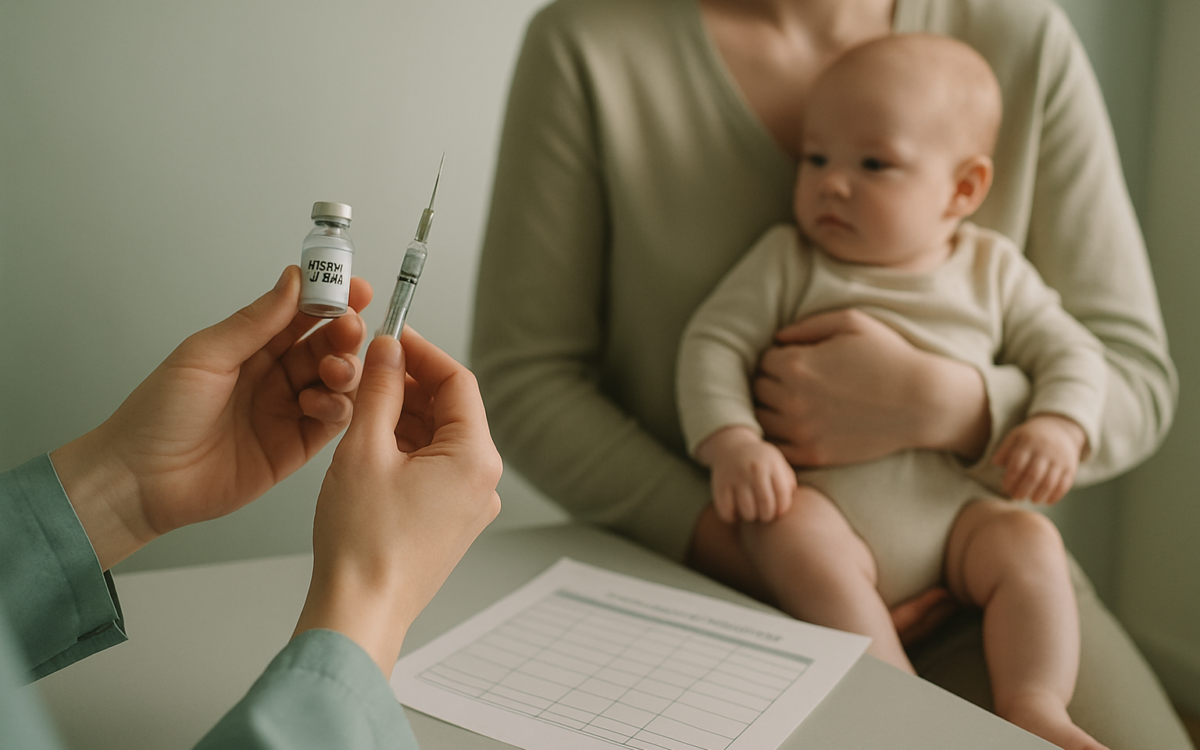
Vaccination is one of the most important steps parents can take to protect their children’s health. Among the various vaccines recommended for children, the polio vaccine has played a crucial role in preventing a disease that was once a leading cause of paralysis. As parents, understanding the polio vaccine schedule can empower you to ensure your child’s safety and well-being.
What Is Polio?
Poliomyelitis, commonly known as polio, is a viral illness caused by the poliovirus. While most infected individuals do not show symptoms, the virus can lead to severe complications, including paralysis and even death. Thanks to widespread vaccination, polio has been eradicated in many parts of the world, but it still poses a risk in certain regions. The polio vaccine helps build immunity against this potentially devastating disease.
The Importance of the Polio Vaccine
Vaccinating against polio is vital not just for individual protection, but also for community health. When a significant portion of the population is vaccinated, herd immunity is established, which offers protection to those who cannot be vaccinated due to medical reasons. The Centers for Disease Control and Prevention (
CDC) emphasizes that this collective defense is crucial in keeping the virus at bay.
Polio Vaccine Schedule Overview
The polio vaccine is typically administered in a series of doses. The schedule recommended by health organizations, including the
World Health Organization (WHO), is as follows:
- First Dose: 2 months old
- Second Dose: 4 months old
- Third Dose: 6-18 months old
- Booster Dose: 4-6 years old
This schedule helps ensure that children develop lasting immunity against the virus when they are most vulnerable.
Types of Polio Vaccines
There are two types of polio vaccines: the Inactivated Poliovirus Vaccine (IPV) and the Oral Poliovirus Vaccine (OPV). In the United States, the IPV is the only vaccine currently used. It is given as an injection and is highly effective, with a long history of safety.
The OPV, while effective, is less commonly used in many developed countries due to its association with vaccine-derived poliovirus cases. However, it is still utilized in some parts of the world where polio is more prevalent, as it can help achieve herd immunity through community vaccination campaigns.
What to Expect During Vaccination Visits
When it’s time for your child to receive the polio vaccine, it’s natural to have questions. Here are some things you can anticipate during the vaccination visit:
- Your child will receive the vaccine as a shot in the thigh or upper arm.
- Healthcare providers may ask about your child’s medical history and any allergies.
- After vaccination, your child may experience mild side effects, such as soreness at the injection site or a low-grade fever.
It’s essential to keep a record of all vaccinations, noting the dates, which can help in future medical visits or school registrations.
Common Concerns and Misconceptions
Many parents have concerns regarding vaccines, including the polio vaccine. Addressing these concerns can help you make informed decisions:
- Are vaccines safe? Yes, vaccines undergo rigorous testing in clinical trials to ensure safety and efficacy. The
National Institutes of Health (NIH) and other organizations oversee this process. - Do vaccines cause autism? Multiple studies have shown no link between vaccines and autism, dispelling this myth.
- Is the polio vaccine necessary? Yes, as long as polio exists anywhere in the world, vaccinations remain crucial to prevent outbreaks.
When to See a Doctor
If you notice any unusual side effects in your child after vaccination, such as a high fever, persistent crying, or unusual behavior, consult your healthcare provider. These may be signs that require medical attention. Additionally, if you have any concerns or questions about your child’s vaccination schedule, do not hesitate to reach out to a medical professional.
Conclusion
Understanding the polio vaccine schedule is an essential part of parenting. By ensuring your child receives this vaccine on time, you contribute not only to their health but also to the safety of your community. Keep informed, communicate with your healthcare provider, and take an active role in your child’s vaccination journey. With the polio vaccine, you’re helping to shield your child from a potentially life-threatening disease.
