
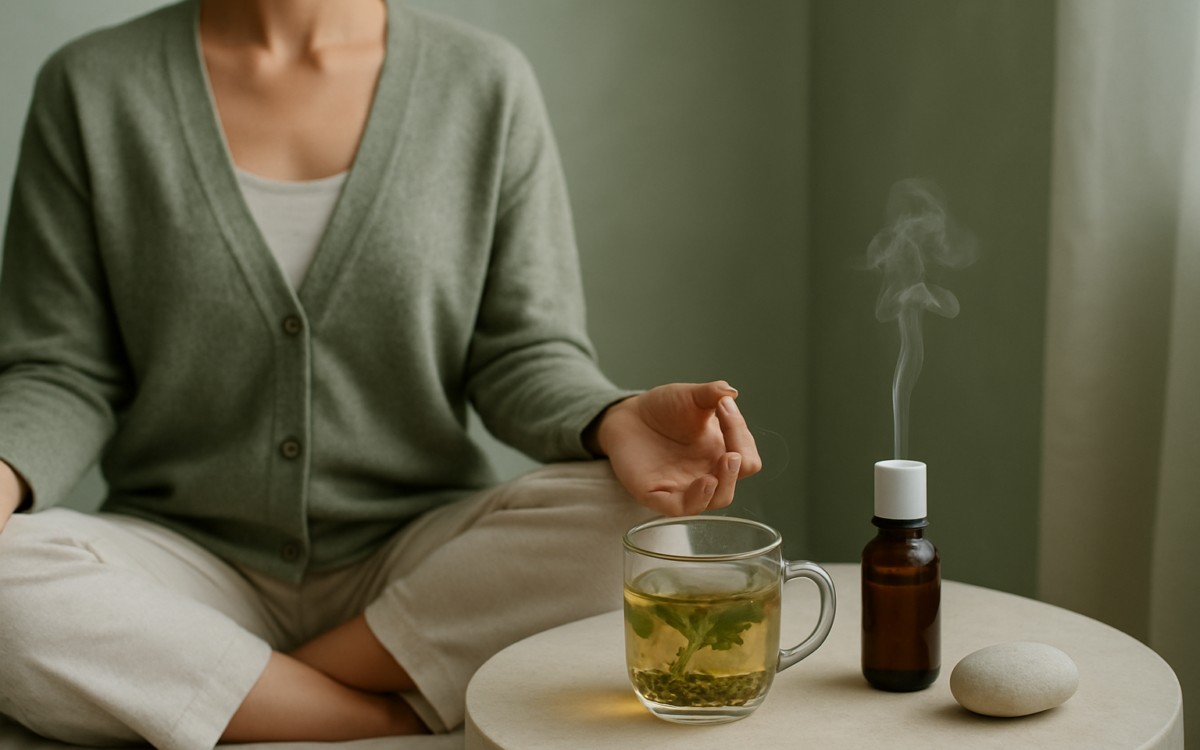
In today’s fast-paced world, stress seems to come with the territory. Whether it’s the pressure of work, family responsibilities, or unexpected challenges, stress can impact our health and happiness. While some stress can be motivating, too much can lead to serious health issues, both physically and mentally. Luckily, there are many effective ways to relieve stress and restore a sense of calm in your life. Let’s explore some of these strategies.
Deep Breathing Techniques
One of the simplest and most effective ways to relieve stress is through deep breathing exercises. When you’re stressed, your breathing can become shallow and quick, which can worsen feelings of anxiety. Deep breathing helps counteract this by bringing more oxygen into your body and activating your relaxation response.
To practice deep breathing, find a comfortable, quiet spot. Close your eyes or lower your gaze, and take a deep breath in through your nose. Let your abdomen expand fully as you fill your lungs with air. Hold the breath for a moment, then slowly exhale through your mouth. Repeat this process several times, focusing your mind on the sound and rhythm of your breath. Just a few minutes of deep breathing can significantly shift your mood.
Mindfulness and Meditation
Mindfulness and meditation are powerful tools for managing stress. By focusing on the present moment without judgment, you can break the cycle of racing thoughts and concerns that often accompany stress. Mindfulness encourages you to pay attention to your thoughts, feelings, and bodily sensations. Regular practice can lead to a greater sense of calm and well-being.
There are many ways to practice mindfulness. You can meditate for just a few minutes each day, engage in mindful walking, or even practice mindfulness while eating. Apps like Headspace or Calm provide guided meditations to help you get started. Research has shown that mindfulness can help reduce symptoms of anxiety and improve emotional resilience, according to the NIH.
Physical Activity
Engaging in regular physical activity is one of the most effective ways to combat stress. Exercise releases endorphins, which are hormones that promote feelings of happiness and relaxation. It also reduces levels of the body’s stress hormones, like adrenaline and cortisol.
Choose activities that you enjoy and fit easily into your schedule. Whether it’s a brisk walk, jogging, yoga, dancing, or swimming, moving your body regularly can help chase away the blues and improve your overall mood. The CDC recommends at least 150 minutes of moderate-intensity aerobic activity each week for adults, so find a routine that works for you.
Connect with Others
Sometimes, the best remedy for stress is simply connecting with others. Talking with friends, family, or even colleagues can provide support and grounding during stressful times. Sharing your thoughts and feelings can lighten your emotional load and provide new perspectives.
Engaging socially not only offers emotional support but can also introduce you to fun activities and laughter—two essential ingredients for stress relief. Join a club, volunteer, or participate in community events to expand your social network. The bonds formed can act as a cushion against stress.
Healthy Lifestyle Choices
What we eat, how much we sleep, and how we take care of our bodies can have a significant impact on stress levels. Eating a balanced diet rich in fruits, vegetables, whole grains, and lean protein can improve overall well-being. Avoiding excessive caffeine and alcohol can also help keep your stress levels in check.
In addition to a healthy diet, ensure that you’re getting enough sleep. Lack of sleep can increase stress and make it difficult to cope with daily challenges. Aim for 7-9 hours of quality sleep each night. Establishing a regular sleep routine by going to bed and waking up at the same time can also enhance sleep quality.
Engage in Hobbies
Finding time for hobbies or leisure activities that you enjoy can also be a fantastic way to relieve stress. Whether it’s gardening, reading, painting, or cooking, engaging in activities you love can provide a welcomed distraction and a sense of achievement. These outlets allow you to focus on something positive and can boost your mood significantly.
Try to dedicate some time each week to pursue your interests. This break from daily pressures can reset your mind and spirit, contributing to a greater sense of well-being.
When to See a Doctor
While these stress-relief techniques can greatly help, it’s important to recognize when stress is becoming overwhelming. If you notice that stress is interfering with your daily life, relationships, or work, it may be time to consult a healthcare professional. They can guide you in exploring additional support options, like therapy or counseling, and help you develop a personalized stress management plan.
In conclusion, stress is an inevitable part of life, but it doesn’t have to control us. Implementing healthy lifestyle choices, practicing mindfulness, connecting with others, and engaging in hobbies can create a solid foundation for managing stress. By taking these steps, you can not only relieve stress but also improve your overall health and happiness.
