
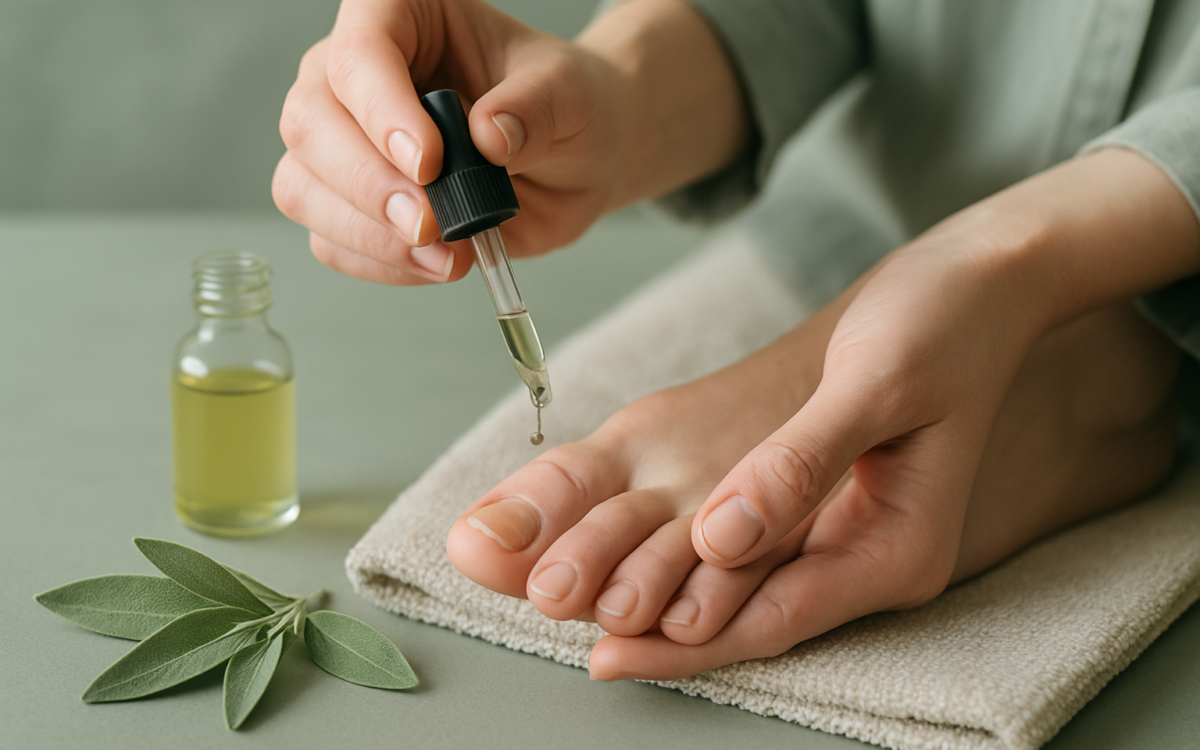
Nail fungal infections can be frustrating and uncomfortable, affecting both the appearance of your nails and your overall health. If you’ve ever dealt with this common condition, you might be seeking natural, home-based solutions. Luckily, several remedies can help combat the fungus and promote healthier nails.
Understanding Nail Fungal Infections
Nail fungal infections are primarily caused by a type of fungi called dermatophytes, but yeasts and molds can also be culprits. These infections can occur in both toenails and fingernails, with toenails being more commonly affected. Symptoms may include discoloration, thickening of the nail, and in some cases, a foul odor. Understanding the infection can help you address it effectively.
Common Home Remedies for Nail Fungal Infections
Below are several home remedies that may help alleviate nail fungus. Keep in mind that while these may offer benefits, it’s essential to consult your doctor for persistent cases.
1. Tea Tree Oil
Tea tree oil, extracted from the leaves of the Melaleuca alternifolia tree, is known for its antifungal and antiseptic properties. To use, dilute a few drops of tea tree oil with a carrier oil, such as coconut oil, and apply it to the affected nail twice daily. Many anecdotal reports support its effectiveness, but more research is needed for conclusive results.
2. Apple Cider Vinegar
Apple cider vinegar (ACV) is a common kitchen staple with antifungal properties. To use ACV for your nail fungal infection, mix equal parts of ACV and water in a bowl. Soak your affected fingers or toes for 30 minutes daily. The acidity of ACV can help create an environment that is inhospitable for fungi.
3. Garlic
Garlic possesses antifungal properties that can help fight infections. You can crush a few garlic cloves to create a paste and apply it directly to the infected area. Alternatively, consuming garlic as part of your diet may enhance your body’s natural defense system against fungi.
4. Coconut Oil
Coconut oil is saturated with medium-chain fatty acids, which have been shown to possess antifungal activity. Simply apply the oil directly to the infected nail and surrounding skin twice daily. Not only may coconut oil help reduce fungal growth, but it can also moisturize the area, preventing cracking and further infection.
5. Oregano Oil
Oregano oil is another natural antifungal agent that has been researched for its effectiveness against various fungi. Dilute oregano oil with a carrier oil and apply it to the affected nail daily. Be cautious, as oregano oil can be potent and may cause irritation if used undiluted.
6. Baking Soda
Baking soda can help create an alkaline environment, which may inhibit fungal growth. Mix baking soda with water to form a paste and apply it to the affected area. Leave it on for about 10 minutes before rinsing. It can also help absorb excess moisture when you sprinkle it in your shoes to keep the area dry.
Tips for Prevention
Taking steps to prevent nail fungus is just as important as treatment. Here are some tips:
- Keep your nails trimmed: Regularly trimming your nails can help reduce the risk of infection.
- Keep your feet dry: Moisture creates an excellent environment for fungus. Ensure your feet are dry, especially after bathing.
- Avoid tight shoes: Tight-fitting shoes might not allow your feet to breathe, encouraging fungal growth.
- Use antifungal powder: Consider using antifungal powder in your shoes if you’re prone to infections.
- Practice good hygiene: Regularly wash your hands and feet, and avoid sharing nail clippers or shoes.
When to See a Doctor
If home remedies do not improve your fungal infection, or if you experience severe pain, swelling, or certain symptoms like a foul smell, it’s time to consult a healthcare professional. In some cases, prescription medications or stronger antifungal treatments may be necessary to fully resolve the issue. Sometimes, a healthcare professional may need to take a sample of the infected nail to ensure accurate diagnosis and treatment.
Conclusion
Nail fungal infections can be easily distressing, but several home remedies offer hope. Natural solutions like tea tree oil, apple cider vinegar, and garlic might be helpful in managing symptoms and promoting healing. Remember always to practice good hygiene and consult your doctor if your symptoms persist or worsen. With time and care, you can enjoy healthier, fungus-free nails.
