
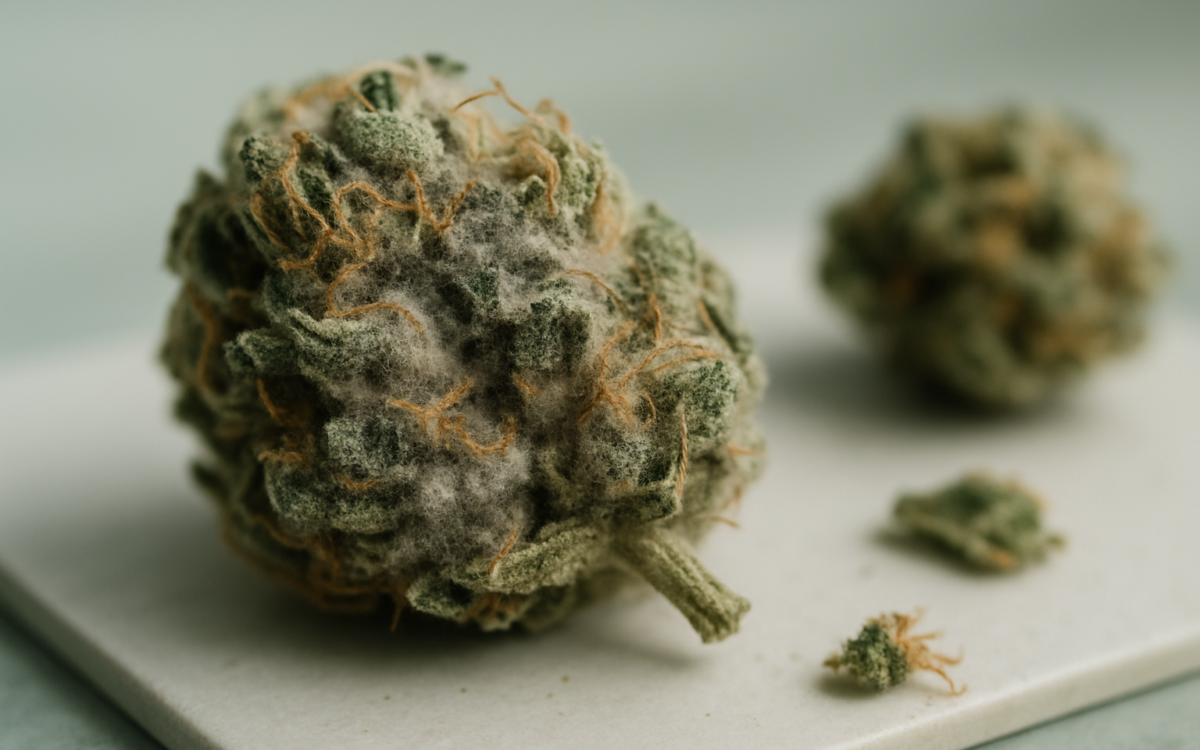
The increasing acceptance of cannabis has brought many new users into the fold. Whether for recreational use or as part of a health regimen, safety is paramount. One aspect often overlooked is the potential for mold contamination in marijuana. Moldy weed is more than just a quality issue; it can pose serious health risks to those who consume it.
What Causes Moldy Weed?
Mold thrives in warm and humid environments, making improperly stored cannabis an easy target. When cannabis is harvested, it needs to be dried adequately. If this process is rushed or if the weed is stored in damp conditions, mold can develop.
The most common strains of mold found in cannabis are *Aspergillus*, *Penicillium*, and *Cladosporium*. While *Penicillium* has applications in medicine (like producing penicillin), it can also cause health problems when inhaled or ingested in certain forms. Moldy weed isn’t just gross; it can lead to serious health issues.
Health Risks Associated with Moldy Weed
Consuming moldy weed can affect your health in various ways. Here are some potential risks:
- Respiratory Issues: Smoking moldy weed can irritate the lungs. Users may experience coughing, wheezing, and difficulty breathing, similar to symptoms experienced with mold exposure in general.
- Allergic Reactions: Some individuals may be allergic to mold, which could trigger symptoms such as sneezing, runny nose, or skin rashes.
- Infections: For those with compromised immune systems, inhaling or consuming moldy products may lead to fungal infections, which can be severe.
How to Identify Moldy Weed
Before you buy or smoke cannabis, take a moment to inspect it. Here are some signs of mold:
- Visual Indicators: Look for white, gray, or green fuzzy spots on the buds, which can indicate mold growth.
- Smell: Moldy weed often has a musty or sour smell, deviating from the usually pleasant aroma of fresh cannabis.
- Texture: Mold can make weed feel damp and sticky rather than dry and crumbly.
Best Practices for Storing Cannabis
To prevent moldy weed, proper storage techniques are essential. Here are some tips:
- Keep it Dry: Store cannabis in a cool, dry place. Use airtight containers to limit humidity exposure.
- Humidity Control: In some climates, use desiccants or humidity control packs to maintain an optimal environment for your cannabis.
- Regular Checks: Regularly inspect your stash for signs of mold or degradation.
Seeking Help for Mold-Related Health Issues
If you believe you have consumed moldy weed and are experiencing symptoms, it is essential to consult a healthcare professional. While most healthy individuals might not face severe consequences, those with pre-existing conditions or weakened immune systems should be particularly cautious.
If you’re considering treatment options or need specialized care, international healthcare facilities may offer resources. For instance, Acibadem International can provide insights on holistic approaches to health awareness that may pertain to cannabis use.
When to See a Doctor
It’s important to be vigilant about your health. If you experience significant respiratory issues, allergic reactions, or persistent symptoms following consumption of suspected moldy weed, consult a doctor promptly. Early intervention can prevent complications and ensure your well-being.
Remember, when it comes to cannabis use, knowledge is power. Educating yourself about what to look for, how to store it properly, and when to seek help can make a significant difference in your overall experience and health.
Stay safe and informed!
