
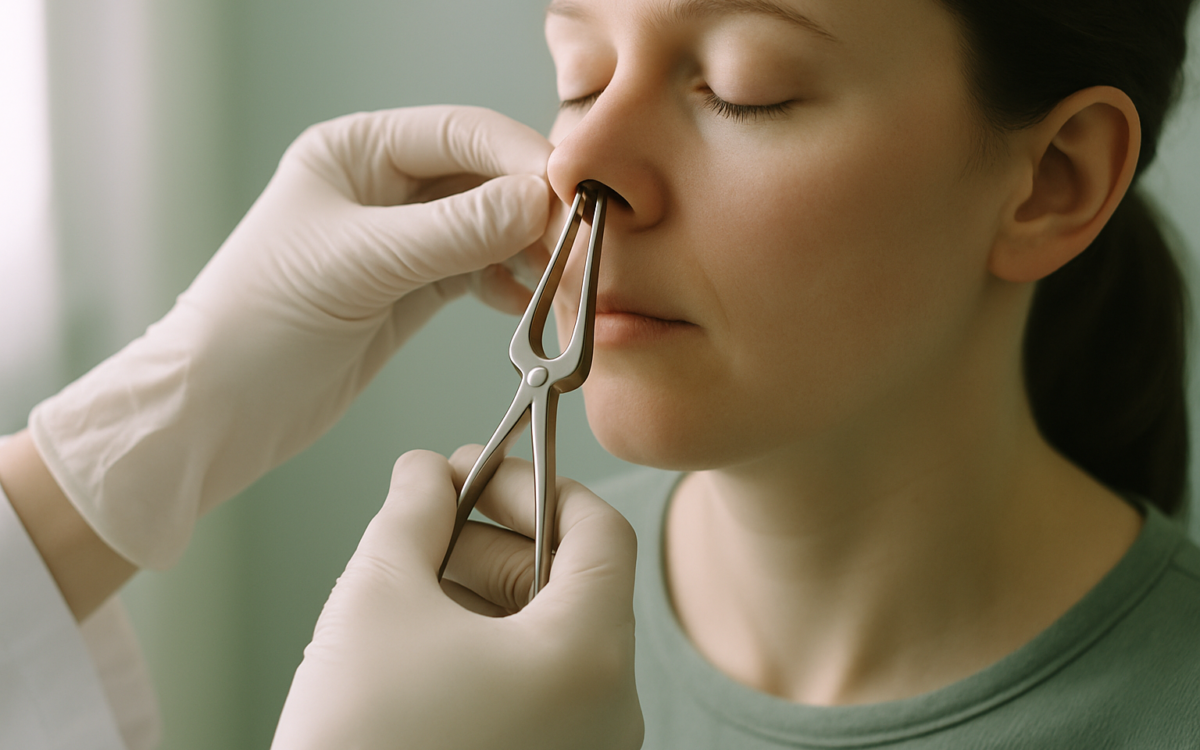
The septum is a crucial anatomical feature present in several parts of the human body, serving essential functions in separating and protecting different systems. Understanding the various types of septa, such as the nasal septum and the cardiac septum, can help you appreciate their roles in health and wellness. This article delves into the importance of the septum, its structure, related health issues, and when it’s time to consult a healthcare professional.
What is the septum?
In anatomical terms, a septum refers to a wall or partition that divides two cavities or masses. Septa can be found in different organs, most notably in the heart and the nasal cavity. Each type of septum has unique functions tailored to its specific location in the body.
The cardiac septum
The heart contains several septa that separate the right and left sides. The cardiac septum plays a vital role in ensuring proper blood flow and heart function. There are two primary parts of the cardiac septum:
- Interventricular septum: This muscular wall divides the left and right ventricles, which are responsible for pumping blood to the lungs and the rest of the body.
- Interatrial septum: This thin wall separates the right and left atria, the upper chambers of the heart. It is crucial for the proper movement of blood between these two chambers.
Disorders relating to the cardiac septum, such as congenital heart defects, can lead to serious health complications. These defects can alter blood flow patterns, potentially leading to heart failure or other cardiovascular issues. For more insight on heart conditions, check the Mayo Clinic website.
The nasal septum
The nasal septum is the cartilage and bone structure that divides the nasal cavity into two nostrils. A healthy nasal septum is important for proper breathing, as it helps to regulate airflow and filter dust and pathogens. Problems with the nasal septum can lead to a condition known as a deviated septum, which occurs when the septum is displaced to one side. This can result in symptoms such as:
- Nasal congestion
- Difficulty breathing through the nose
- Frequent sinus infections
If you suspect you have a deviated septum, consider seeking advice from a healthcare provider to discuss potential treatments or interventions.
Common septum-related health issues
Aside from congenital defects, several health issues can affect the septum in both the heart and the nasal cavity:
1. Atrial or ventricular septal defects
These conditions occur when there are holes in the septum that separate the heart’s chambers. Atrial septal defects (ASD) involve the interatrial septum, while ventricular septal defects (VSD) affect the interventricular septum. Symptoms may include:
- Shortness of breath
- Fatigue
- Swelling in the legs or abdomen
2. Deviated septum
A deviated septum is a common condition that can be present at birth or develop over time due to injury. This condition may cause chronic nasal problems:
- Obstructed airflow
- Frequent nosebleeds
- Sleep apnea
3. Septal perforation
Septal perforation occurs when there is a hole in the nasal septum, often due to trauma, drug use, or chronic irritation. Symptoms can include:
- Unpleasant odor
- Increased nosebleeds
- Nasal obstruction
It is essential to address these issues with appropriate medical attention, as they can significantly impact your quality of life.
Treatments and management for septum issues
Treatments for septum-related problems vary based on the type and severity of the condition:
1. Medications
For issues related to a deviated septum, doctors may recommend medications to help manage symptoms, such as:
- Decongestants
- Antihistamines
- Nasal corticosteroids
2. Surgical interventions
For more severe cases, especially those involving atrial or ventricular septal defects, surgery may be necessary. Procedures can include:
- Septoplasty: A surgical procedure to correct a deviated septum.
- Septal patch repair: Used to close holes in the septum, particularly for ASD or VSD.
Always consult with a healthcare provider to discuss the most appropriate treatment options tailored to your situation.
When to see a doctor
If you experience any of the following symptoms, consult a healthcare professional:
- Persistent difficulty breathing
- Severe nasal congestion
- Frequent headaches or sinus infections
- Signs of heart problems, such as chest pain or extreme fatigue
Prompt attention can help avoid complications associated with septum-related conditions.
Conclusion
The septum is a vital structural element in both the heart and nasal cavity, and its proper function is crucial for overall health. By understanding its role and recognizing potential health issues, you can better advocate for your medical needs. If you suspect any problems related to your septum, don’t hesitate to reach out to a healthcare professional for guidance.
