
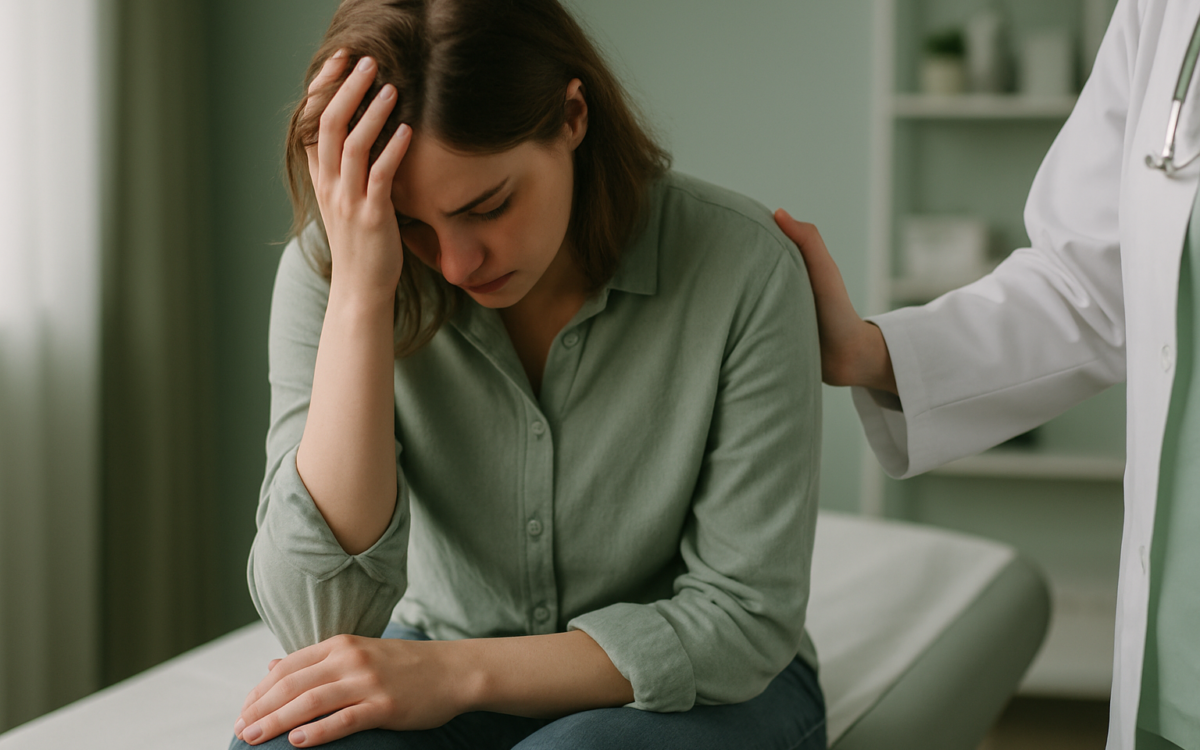
Depression is a complex and often misunderstood mental health disorder. For many women, the signs and symptoms can manifest differently than they do in men. Understanding these differences is vital, as early recognition can lead to more effective treatment. This article delves into the common and unique signs of depression in females, empowering ladies to recognize what may be affecting their emotional well-being.
The Emotional Signs of Depression
Depression can often lead to profound emotional changes. While anyone can experience sadness, the emotional signs in women may be more nuanced. Here are some common emotional symptoms:
- Persistent Sadness: If feelings of sadness last for weeks or months, it may be a sign of depression.
- Feelings of Hopelessness: Many women with depression may feel a sense of despair or believe that things won’t improve.
- Irritability: Increased irritability or frustration is often more pronounced in women, adding to the emotional burden.
- Low Self-esteem: A constant feeling of worthlessness, guilt, or inadequacy can be particularly impactful.
Physical Symptoms of Depression
Depression isn’t just an emotional struggle; it can also manifest physically. In women, the physical symptoms can be severe and varied:
- Changes in Sleep Patterns: Insomnia or sleeping too much is common, often going hand-in-hand with depression.
- Appetite Changes: Many women may either lose interest in food or tend to overeat, leading to weight changes.
- Fatigue: A constant feeling of tiredness that does not improve with rest can be a significant indicator.
- Physical Aches and Pains: Unexplained physical discomfort, such as headaches or back pain, may occur.
Social and Behavioral Signs
Women experiencing depression might also find themselves withdrawing from social interactions or activities they once enjoyed:
- Withdrawal from Friends and Family: A desire to isolate oneself, avoiding social engagements or family gatherings.
- Loss of Interest in Hobbies: Activities that once brought joy may no longer hold appeal.
- Increased Substance Use: Some women may turn to alcohol or drugs in an attempt to cope.
- Neglecting Responsibilities: Difficulty concentrating can lead to neglect of personal, work, or family responsibilities.
The Impact of Hormonal Changes
Hormonal fluctuations can significantly affect a woman’s mental health. Conditions such as premenstrual syndrome (PMS), pregnancy, menopause, and postpartum depression can trigger or exacerbate symptoms of depression:
- PMS: Hormonal changes related to menstrual cycles can cause mood swings and increase depressive symptoms.
- Postpartum Depression: After giving birth, some women may experience severe depression that affects their ability to bond with their child.
- Menopause: The transition to menopause can result in physical and emotional changes, including increased depression risks.
The Role of Life Events
Life events, both positive and negative, can also lead to depression. Women may experience unique stressors that contribute to their mental health challenges:
- Loss and Grief: The loss of a loved one can lead to profound grief and potential depression.
- Career Challenges: Balancing work and family commitments can be particularly stressful and overwhelming.
- Relationship Issues: Difficulties in personal relationships can deepen feelings of sadness or worthlessness.
Coping Strategies and Support
If you or someone you know is experiencing signs of depression, it is crucial to seek support. Here are some strategies that may help:
- Talk to Someone: Sharing feelings with friends or family can provide relief and connection.
- Professional Help: Speaking to a mental health professional can provide tailored strategies and support.
- Physical Activity: Engaging in regular exercise can improve mood and overall well-being.
- Healthy Diet: Maintaining a balanced diet can have a positive impact on mood and energy levels.
When to See a Doctor
Recognizing the signs and symptoms of depression is the first step toward getting help. If you notice persistent feelings of sadness, hopelessness, or any debilitating symptoms that impact your daily life, it’s essential to seek a professional evaluation. You don’t have to struggle alone; support is available. Consult reputable sources such as the NIH or WHO for more information and find reliable mental health resources.
Conclusion
Understanding the unique signs and symptoms of depression in females is vital for early detection and treatment. By recognizing these signs — from emotional to physical symptoms — women can take the necessary steps to seek help and regain control over their mental health. Remember, it’s okay to ask for help. You deserve support and care for your well-being.
