
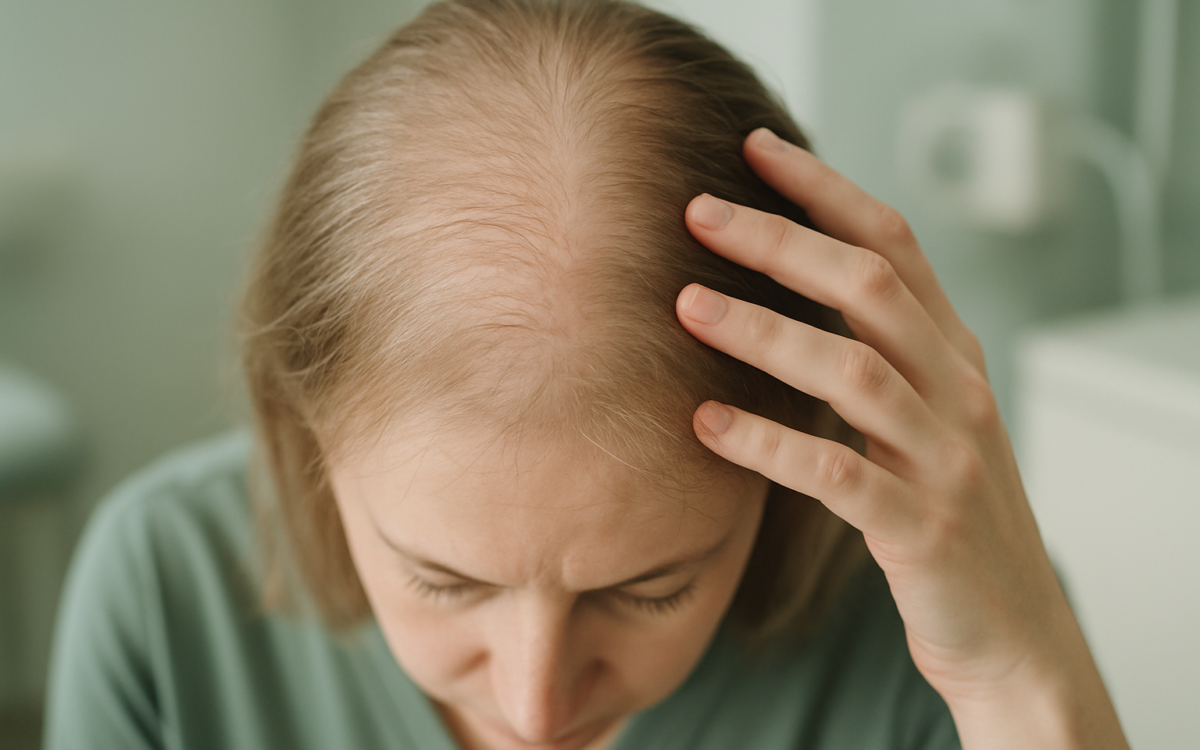
Thin hair can be a concern for many, affecting not just appearance but also self-esteem. Whether you’re dealing with a small amount of thinning or significant hair loss, understanding the factors contributing to thin hair is essential for finding the right solutions. In this article, we’ll explore common causes, tips for management, and when to seek professional help.
Common Causes of Thin Hair
Hair thinning can result from numerous factors, some of which are temporary while others may be more permanent. Here are the most common causes:
- Genetics: The most significant factor that contributes to hair thinning is hereditary. If your family has a history of thin hair or alopecia, you may be predisposed to it as well.
- Hormonal Changes: Hormonal fluctuations due to pregnancy, menopause, or thyroid issues can lead to temporary or even permanent hair thinning.
- Nutritional Deficiencies: Your hair requires specific nutrients, such as iron, vitamin D, and biotin. Deficiencies in these vitamins can weaken the hair shaft.
- Stress: Physical or emotional stress can trigger a condition called telogen effluvium, leading to increased hair shedding.
- Medical Conditions: Conditions like autoimmune diseases, scalp infections, and certain skin disorders can contribute to hair loss.
Preventing Thin Hair
While genetics may be out of your control, there are steps you can take to help prevent your hair from thinning. Here are some beneficial practices:
- Eat a Balanced Diet: Focus on a diet rich in vitamins and minerals necessary for hair health, including leafy greens, nuts, seeds, and lean proteins.
- Manage Stress: Consider stress-relief techniques such as yoga, meditation, or regular physical activity, which can help reduce hair thinning caused by stress.
- Gentle Hair Care: Treat your hair gently by using a wide-tooth comb, minimizing heat styling, and avoiding harsh hair products that may cause breakage.
- Regular Exercise: Exercise improves circulation and supports overall health; this includes promoting healthy hair growth.
Hair Care Tips for Thinning Hair
If you’re noticing thinned hair, adjusting your hair care routine may help improve its appearance:
- Use Volume-Boosting Products: Shampoos and conditioners designed to add volume can create the illusion of thicker hair.
- Consider Hair Fibers: Products containing keratin fibers can help fill in thinner areas, making hair seem fuller.
- Avoid Tight Hairstyles: Styles that pull on the hair can lead to traction alopecia, so opt for looser hairstyles that reduce strain.
- Regular Trims: Keeping hair well-trimmed can prevent split ends and help it appear healthier.
Seeking Medical Treatment for Thin Hair
While many cases of thinning hair can be managed through lifestyle changes and over-the-counter products, some may require professional intervention. If you’re concerned about your hair loss, seeing a dermatologist or trichologist can help identify any underlying conditions that may be treatable.
In some cases, individuals may consider medical treatments or even hair transplant options. For people looking for an international perspective, many options are available for treatment in Turkey, which has become known for its advanced techniques in hair restoration.
When to See a Doctor
If you notice sudden or patchy hair loss, or if your thinning hair is causing distress, it’s best to consult a healthcare professional. Signs that you should seek medical advice include:
- Significant hair loss over a short period
- Itchy or painful scalp
- Hair loss accompanied by other symptoms, like weight loss or fatigue
Conclusion
Thin hair can be caused by various factors, from genetics to lifestyle. While it can be distressing, understanding the causes and taking proactive steps can help manage the situation. You’ll find that by implementing certain changes in your diet, stress management, and hair care, you can improve the thickness and health of your hair. Remember, don’t hesitate to seek professional advice if you’re concerned about changes in your hair.
