
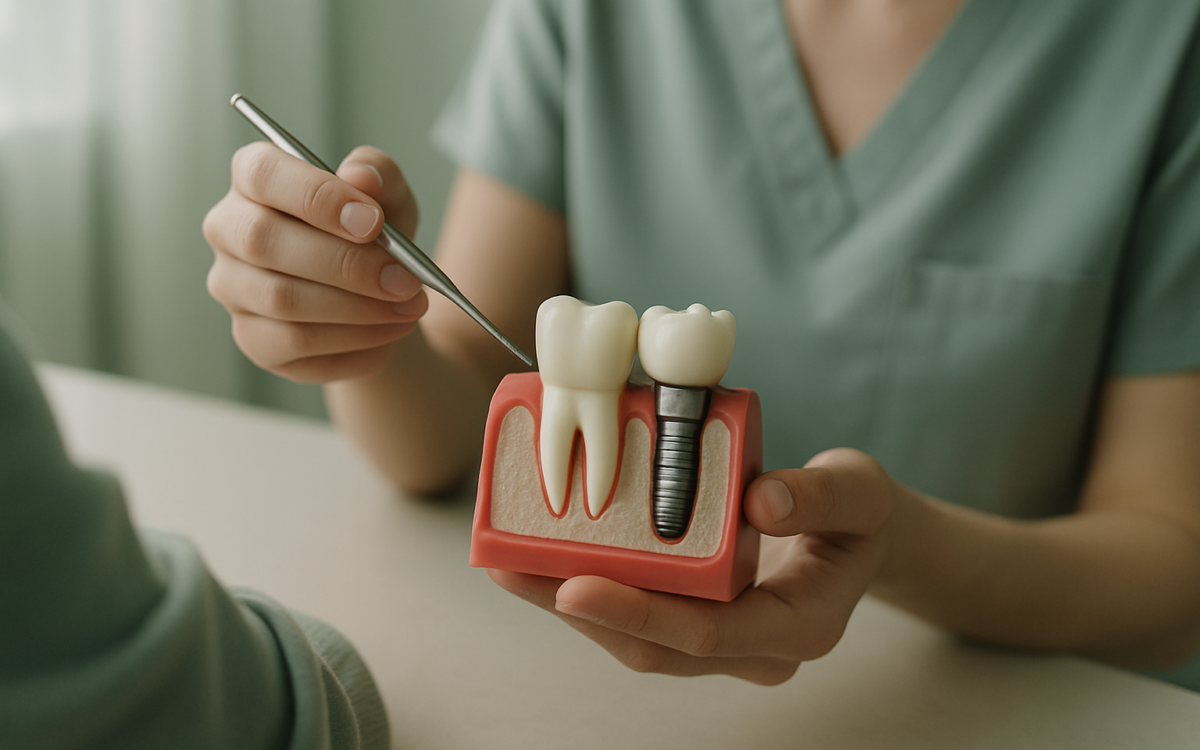
If you’ve lost a tooth, you know how much it can affect your confidence and overall quality of life. Fortunately, tooth implants offer a long-lasting solution that can restore both your smile and functionality. This article delves into the ins and outs of tooth implants, covering what they are, how they work, the procedure involved, and what to expect during recovery.
What is a tooth implant?
A tooth implant is a small titanium post that acts as a replacement root for a missing tooth. It is surgically placed into the jawbone, where it fuses with the bone over time—a process known as osseointegration. Once this fusion occurs, a crown (the visible part of the tooth) is placed on top of the implant, completing the restoration. Unlike dentures or bridges, implants provide a stable, permanent solution for tooth loss.
Benefits of tooth implants
Tooth implants come with several advantages:
- Natural appearance: Implants are designed to look and feel like your natural teeth, enhancing your smile.
- Improved oral health: Unlike bridges, implants don’t require altering adjacent teeth. This keeps your remaining teeth healthy.
- Durability: With proper care, tooth implants can last a lifetime, making them a cost-effective option in the long run.
- Enhanced functionality: Implants allow you to chew and speak normally without worrying about slippage or discomfort.
The tooth implant procedure
The process of getting a tooth implant involves several stages:
- Consultation: Your dentist will assess your oral health and determine if you are a suitable candidate for implants. This may involve X-rays or scans of your jawbone.
- Placement of the implant: Under local anesthesia, the dentist will surgically place the titanium post into your jawbone. This step usually takes about an hour.
- Healing period: It can take several months for the implant to integrate with your jawbone. During this time, a healing cap may be placed on the implant to promote tissue growth.
- Placement of the crown: Once healing is complete, a custom-made crown is attached to the implant, completing the restoration.
What to expect during recovery
After the implant procedure, some discomfort and swelling are common, but these symptoms are usually manageable with over-the-counter pain relievers. Your dentist will provide specific aftercare instructions, which may include:
- Soft foods for the initial few days
- Maintaining good oral hygiene practices
- Avoiding strenuous activities to promote healing
Recovery times vary, but many people can return to normal activities within a few days. If you’re considering traveling for your treatment, you might explore options like those at acibademinternational.com, where dental care can be provided by experienced professionals at competitive rates.
Caring for your implants
Once your implant is in place, taking care of it is essential for long-term success. Here are some tips:
- Brush and floss regularly: Just like your natural teeth, implants require daily brushing and flossing.
- Regular dental visits: Schedule appointments to check the health of your implants and overall oral health.
- Avoid harmful habits: Refrain from smoking and limit sugary food and drinks, which can affect your oral health.
By following these tips, you can help ensure your tooth implant remains in optimal condition for years to come.
Risks and considerations
While tooth implants are generally safe, there are potential risks to be aware of:
- Infection: As with any surgical procedure, there is a risk of infection at the implant site.
- Nerve damage: Improper placement can occasionally lead to nerve damage, resulting in pain or numbness.
- Implant failure: In some cases, the implant may not integrate properly with the bone, leading to failure.
Discuss any concerns with your dentist to assess whether implants are right for you.
When to see a doctor
If you experience unusual pain, swelling, or signs of infection—such as fever or pus around the implant site—it’s essential to consult your dentist immediately. Early intervention can prevent more serious complications.
Tooth implants can significantly improve your quality of life by restoring your ability to chew, speak, and smile confidently. With proper care, they can last a lifetime, making them an excellent long-term investment in your dental health.
