
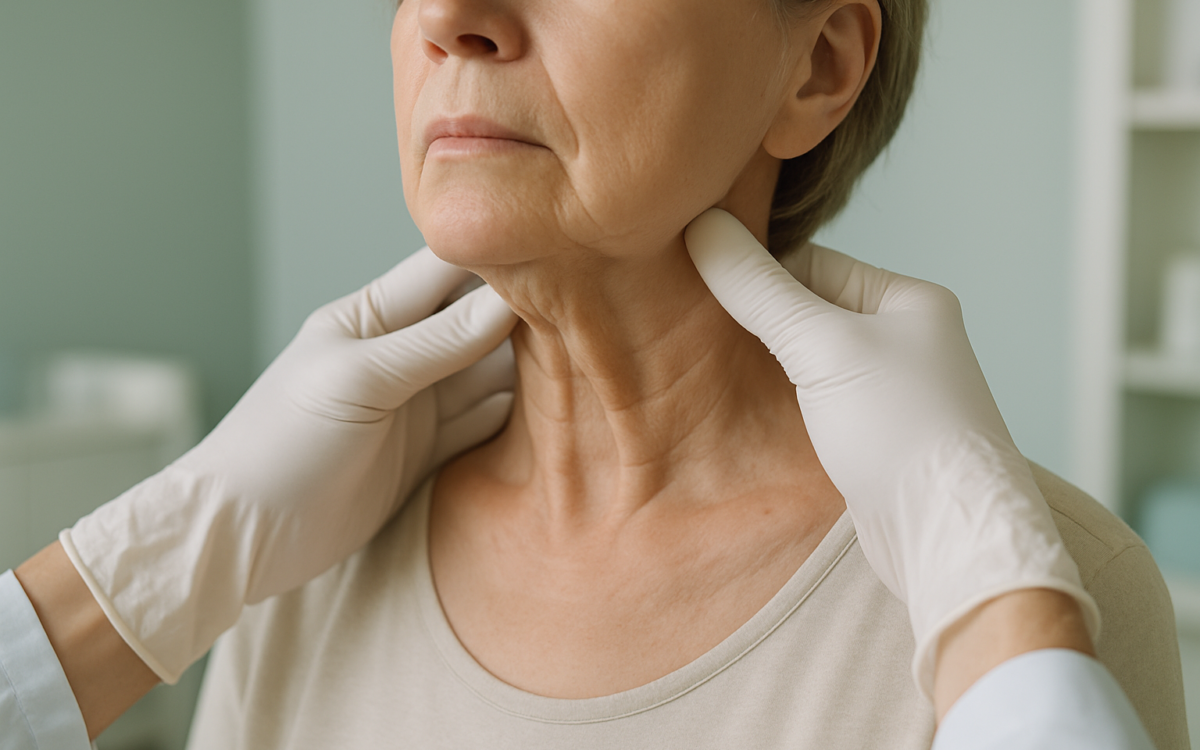
As we age, our skin goes through various changes, some welcome and some not so much. One of the less appealing signs of aging is often humorously referred to as ‘turkey neck.’ This term refers to the sagging skin on the neck that can resemble the wattle of a turkey. For many, this can be a source of insecurity, but understanding it can help you address the concerns it brings.
What Is Turkey Neck?
Turkey neck is a colloquial term used to describe excess skin and fat on the neck that causes it to droop. This condition can develop as a natural part of aging, as the skin loses elasticity and firms up. While it primarily affects older adults, various factors may contribute to its development at an earlier age, including genetics, lifestyle choices, and sun exposure. Many people are curious about turkey neck not just for cosmetic reasons, but for the health implications associated with changing skin.
Causes of Turkey Neck
Understanding the causes of turkey neck is essential to tackling it effectively. Here are some of the primary reasons why you might develop this condition:
- Aging: As we age, our skin naturally loses collagen and elastin, two proteins responsible for skin firmness. This natural decline can lead to sagging skin.
- Genetics: Your genetic makeup plays a significant role in how your skin ages. If your parents had a turkey neck, you might be predisposed to it as well.
- Sun Damage: Prolonged exposure to the sun’s harmful UV rays can damage skin cells and lead to premature aging. This can make turkey neck more pronounced.
- Weight Changes: Significant fluctuations in weight can cause the skin to stretch and lose its elasticity. Rapid weight loss, in particular, can leave behind sagging skin.
- Unhealthy Lifestyle: Habits like smoking, poor diet, and lack of hydration can accelerate the aging process and contribute to the appearance of turkey neck.
Preventing Turkey Neck
While some factors contributing to turkey neck are beyond our control, there are lifestyle changes that can help maintain skin health and firmness:
- Sun Protection: Consistently using sunscreen can prevent sun damage. Aim for a broad-spectrum SPF of at least 30 and reapply every two hours when outdoors.
- Hydration: Staying well-hydrated keeps your skin more elastic. Drinking plenty of water can help combat dryness and improve skin texture.
- Healthy Diet: A balanced diet rich in antioxidants, vitamins, and minerals can help your skin stay healthy. Foods high in Omega-3 fatty acids, such as salmon and flaxseeds, can also aid skin elasticity.
- Avoid Smoking: Smoking accelerates skin aging and reduces blood flow, which can exacerbate turkey neck.
Skincare Routines for a Youthful Neck
Incorporating specific skincare practices aimed at the neck area can improve elasticity and overall appearance:
- Moisturize Regularly: Use a thick moisturizer that hydrates deeply. Look for ingredients like hyaluronic acid and peptides that can promote skin elasticity.
- Gentle Exfoliation: Regularly exfoliating your neck can help remove dead skin cells, promoting a smoother appearance.
- Neck Creams: Consider using specialized neck creams that contain firming ingredients. While results may vary, many individuals report a smoother neck after consistent use.
Non-Surgical Options
For those looking for more immediate results, there are non-surgical options available:
- Topical Treatments: Retinoids and other topical treatments can encourage collagen production in the skin, helping to improve elasticity.
- Laser Treatments: Laser therapy can help stimulate collagen production and tighten the skin.
- Injectables: Treatments like dermal fillers can restore volume to sagging skin, providing a more youthful appearance.
Surgical Procedures
While non-invasive treatments can significantly help, some individuals may seek surgical options for a more dramatic effect:
- Neck Lift: A neck lift involves removing excess skin and tightening the remaining skin for a more youthful look.
- Liposuction: In cases where excess fat contributes to turkey neck, liposuction may be an option to reduce fat deposits.
When to See a Doctor
If you are concerned about the appearance of turkey neck or any changes in your skin, it’s wise to consult a healthcare professional. They can help determine if any underlying health issues may be contributing to skin changes and guide you on the best treatment options to consider.
Conclusion
Turkey neck is a common concern for many as they age. Understanding the causes and prevention methods can empower you to take control of your skin health. Although some factors, like genetics and aging, are challenging to change, focusing on a healthy lifestyle and skincare routine can make a difference. Remember, if you’re considering treatments—whether topical, non-surgical, or surgical—always consult with a healthcare professional to ensure the best possible outcomes for your unique skin needs.
