
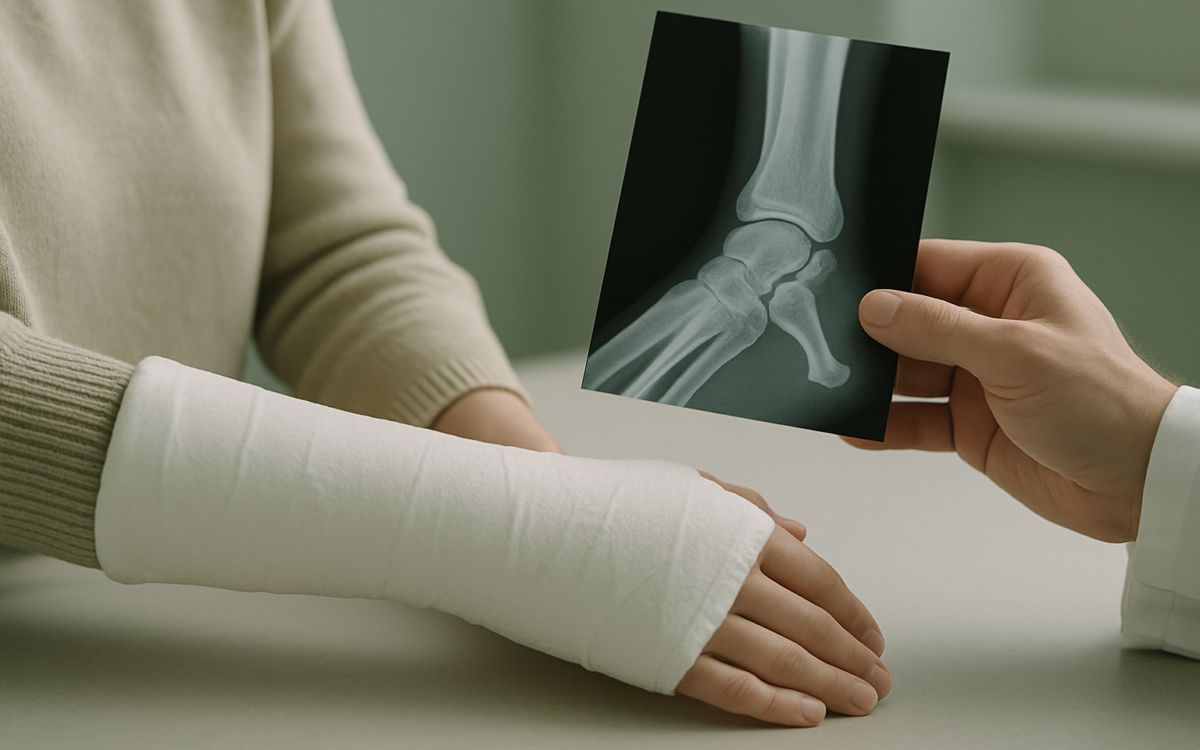
When it comes to wrist injuries, one that often surprises people is an ulnar styloid fracture. This specific type of fracture occurs at the end of the ulna, one of the two major bones in the forearm. An ulnar styloid fracture can be painful and may impact your ability to perform everyday activities. Understanding how this injury occurs, its symptoms, and possible treatment options can help you manage a recovery successfully.
What is the Ulnar Styloid?
The ulnar styloid is a bony prominence located on the end of the ulna bone, on the side of the wrist closest to the little finger. This small but significant area provides attachment points for ligaments that help stabilize the wrist joint and contribute to overall wrist mechanics. Injuries to this bone can therefore affect wrist stability and function.
How Do Ulnar Styloid Fractures Occur?
Ulnar styloid fractures usually happen due to trauma or fall injuries, particularly when landing on an outstretched hand. They are also common in sports-related injuries. Conditions like osteoporosis, which weakens bones, can increase the risk of sustaining this kind of fracture, especially in older adults. Other causes may include:
- Direct trauma to the wrist
- Repetitive strain or overuse injuries
- Rheumatoid arthritis weakening the bone
- Motor vehicle accidents
Recognizing Symptoms of an Ulnar Styloid Fracture
If you suspect you may have an ulnar styloid fracture, look out for these common symptoms:
- Pain on the side of the wrist
- Swelling around the wrist area
- Bruising
- Diminished wrist movement or misalignment
- Possible popping or grinding sounds during movement
It’s important to differentiate between normal wrist strains and a fracture. A fracture may present with more intense and localized pain compared to a sprain.
Diagnosis and Imaging
Should you experience symptoms that suggest a fracture, your healthcare provider will need to evaluate your wrist. They will likely conduct a physical examination and may request imaging tests. Common imaging methods include:
- X-rays, which can typically show clear breaks in the bone
- MRI scans, if further detail is needed to assess soft tissue around the fracture
- CT scans for complex cases
Sometimes, ulnar styloid fractures can be tricky to diagnose due to their location. It’s always a good idea to seek a second opinion if you’re uncertain about the diagnosis.
Treatment Options for Ulnar Styloid Fractures
Treatment for ulnar styloid fractures varies based on the severity of the injury. Many fractures can heal successfully without surgery, while others may require a more invasive approach. Treatment options include:
Non-Surgical Treatments
- Rest: Avoid activities that exacerbate pain.
- Icing: Applying ice can help reduce swelling and alleviate pain. Use an ice pack for 15–20 minutes every couple of hours.
- Immobilization: A splint or cast may be prescribed to keep the wrist stable during the healing process.
- Physical Therapy: Once the fracture starts to heal, physical therapy can help restore strength and motion to the wrist.
Surgical Treatments
In cases where the fracture is displaced or involves other complex wrist injuries, surgery may be necessary. Surgery usually involves fixing the fractured piece of bone with screws or pins. Post-surgery, you’ll likely follow a rehabilitation program to regain full functionality.
Recovery and Rehabilitation
The recovery timeline for an ulnar styloid fracture varies depending on the treatment method and the individual’s overall health. Generally, healing can take anywhere from a few weeks to several months. During this time, it’s crucial to follow a rehabilitation program tailored to your needs. Your healthcare provider may guide you on:
- Activities to avoid during the healing process
- Gradual reintroduction of motion and strength exercises
- Monitoring for any unusual symptoms during recovery
Complications to Be Aware Of
While most ulnar styloid fractures heal well, there are potential complications to consider, including:
- Nonunion: The bone may fail to heal properly without surgical intervention.
- Joint dysfunction: If not immobility is not maintained correctly, it can lead to joint stiffness or chronic pain.
- Post-traumatic arthritis: Increased risk of arthritis in the wrist joint may occur after a fracture, particularly if untreated.
Monitoring recovery closely and attending follow-up appointments is vital to mitigate any complications.
When to See a Doctor
If you experience intense pain, swelling, or an inability to move your wrist after an injury, it is critical to consult a healthcare professional promptly. Early diagnosis and treatment are key to achieving a good recovery outcome.
Conclusion
Ulnar styloid fractures can impact your daily life significantly, but understanding the nature of the injury, recognizing symptoms, and seeking timely treatment can lead to an optimal recovery. Always consult with your doctor to determine the best course of action for your health. For more detailed information, resources like the National Institutes of Health (NIH) and the Mayo Clinic can be valuable references.
