
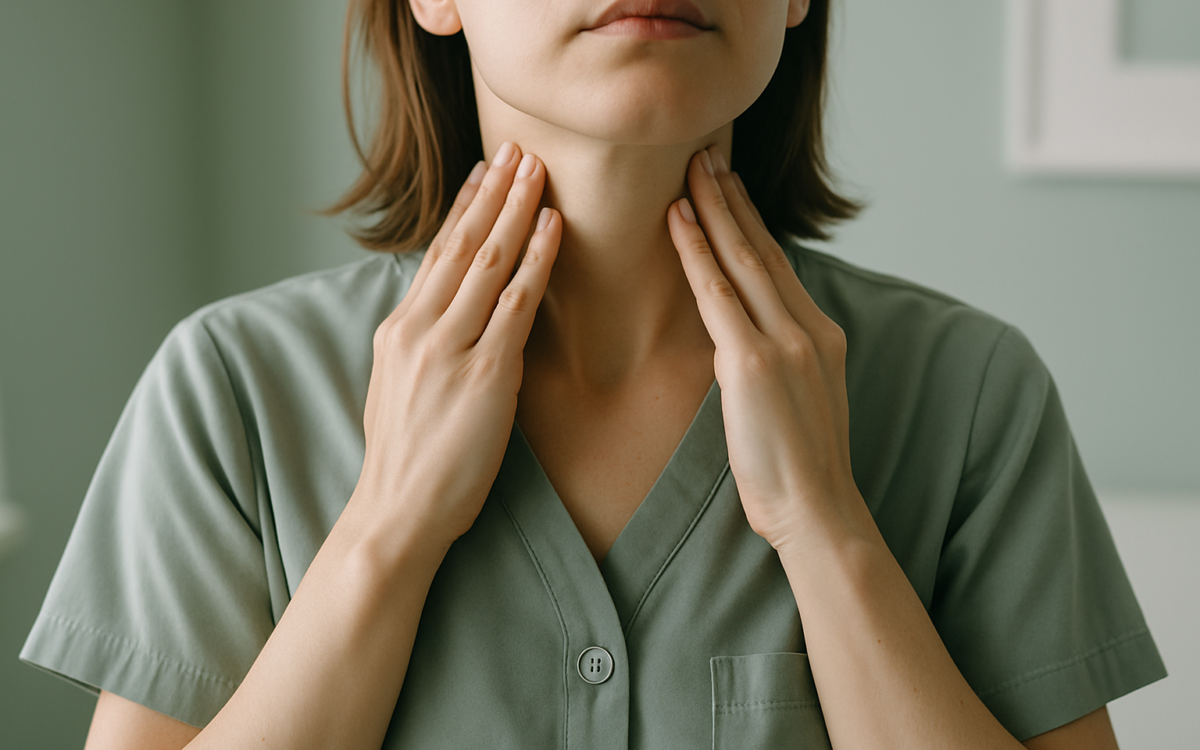
The thyroid is a small butterfly-shaped gland located in the front of your neck. Despite its size, it plays a big role in regulating various bodily functions, particularly metabolism, energy production, and hormonal balance. An underactive thyroid, known medically as hypothyroidism, occurs when the gland doesn’t produce enough thyroid hormones. This condition can have a unique impact on females, making it essential to understand its symptoms.
What is Hypothyroidism?
Hypothyroidism occurs when the thyroid gland fails to produce adequate amounts of the hormones thyroxine (T4) and triiodothyronine (T3). These hormones are crucial for regulating metabolism and overall body functionality. In females, hypothyroidism can manifest through a variety of symptoms that may sometimes be mistaken for other conditions, making early recognition important.
Common Symptoms of Underactive Thyroid in Females
Recognizing the symptoms of hypothyroidism is the first step towards getting the help you need. Here are some common symptoms seen in females:
- Fatigue: A persistent sense of tiredness that doesn’t improve with rest can be one of the most common signs of an underactive thyroid.
- Weight changes: Unexplained weight gain or difficulty losing weight, even with diet and exercise, can signal an underactive thyroid.
- Cold intolerance: If you find yourself feeling cold when others don’t, your thyroid may not be producing enough hormones.
- Dry skin and hair: People with hypothyroidism often experience dry, flaky skin and brittle hair that may fall out more easily.
- Menstrual irregularities: Many women may notice heavier, longer, or unpredictable menstrual cycles when their thyroid is underactive.
- Depression and mood changes: Hypothyroidism can lead to feelings of sadness and offer a sense of emotional numbness.
Causes of Hypothyroidism in Women
Several factors can contribute to the development of hypothyroidism. In females, the following causes are prevalent:
- Autoimmune diseases: Conditions such as Hashimoto’s thyroiditis, where the immune system attacks the thyroid, are leading causes.
- Medications: Certain medications, including those for depression or other autoimmune diseases, can interfere with thyroid hormone production.
- Age: Hypothyroidism is more common in older women, particularly over the age of 60.
- Family history: If hypothyroidism runs in your family, your risk of developing it may be higher.
The Impact of Hypothyroidism on Daily Life
Living with an underactive thyroid can bring about significant changes in a woman’s daily life. The fatigue and mood changes associated with hypothyroidism can affect work performance, personal relationships, and overall quality of life. Additionally, hormonal imbalances can complicate existing conditions like polycystic ovary syndrome (PCOS) or infertility.
Women may also notice skin changes, including new rashes or an increase in acne, due to hormonal fluctuations and slowed metabolism. It’s important to address lifestyle factors such as diet and exercise, as these can help manage symptoms while working with a healthcare provider.
Diagnosis and Treatment
If you suspect you have an underactive thyroid, it’s important to consult with a healthcare professional. Diagnosis typically involves blood tests to measure levels of TSH (thyroid-stimulating hormone) and T4. A high TSH level along with a low T4 level usually indicates hypothyroidism.
Treatment usually consists of hormone replacement therapy with medications like levothyroxine, which helps normalize hormone levels and alleviate symptoms. The aim of treatment is to ensure that thyroid hormone levels remain stable, which typically leads to an improvement in symptoms.
When to See a Doctor
If you are experiencing several symptoms mentioned above—especially if they interfere with your quality of life—it’s important to seek medical attention. Early diagnosis and treatment can help prevent complications. Regular check-ups and discussions about any new symptoms or health concerns with your healthcare provider are key for managing hypothyroidism effectively.
Conclusion
Underactive thyroid symptoms in females can significantly vary from tiredness to emotional upheaval, affecting many aspects of daily life. Understanding these symptoms can help in seeking timely intervention and improving overall quality of life. If you relate to what you’ve read, consider talking to a healthcare professional about possible thyroid issues. For further information, resources such as the NIH and the Mayo Clinic can provide valuable insights into thyroid health.
