
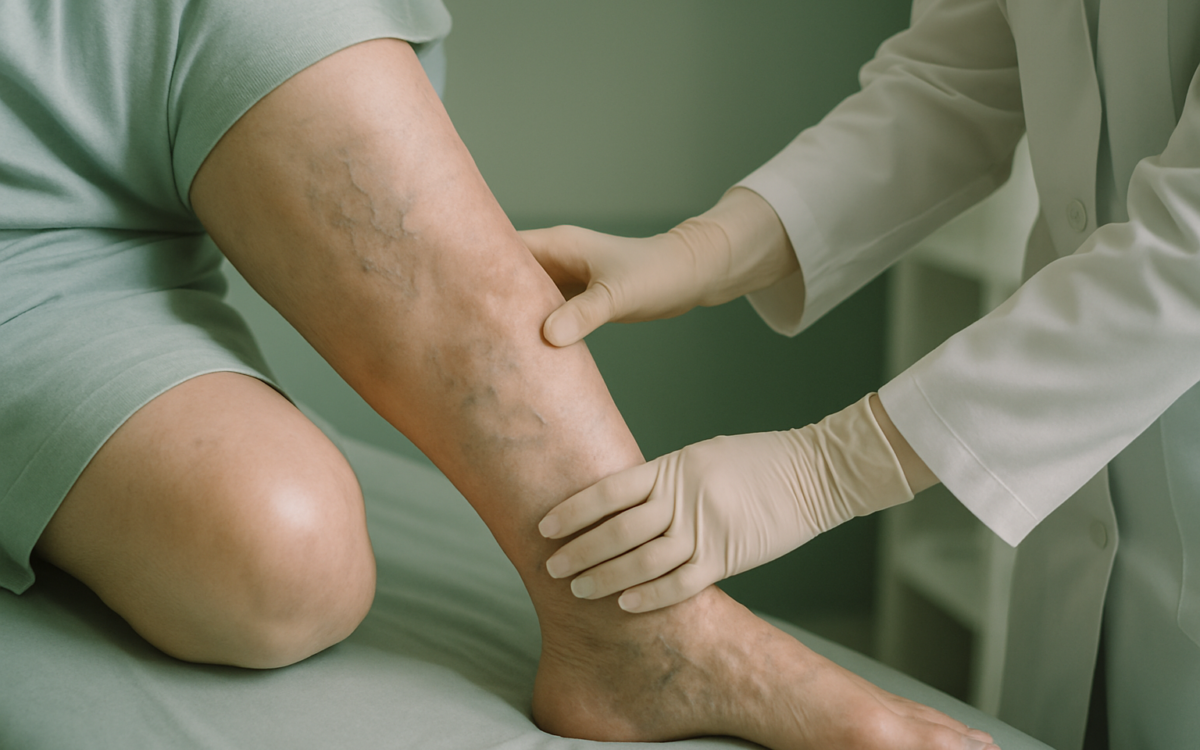
Imagine feeling a constant heaviness in your legs or noticing unusual swelling. For some, these symptoms might point to a condition known as venous insufficiency. This issue arises when the veins in your legs struggle to return blood to your heart. Understanding venous insufficiency is crucial, as it can impact your daily life and overall well-being.
What Is Venous Insufficiency?
Venous insufficiency occurs when the valves in your leg veins fail to function properly. These valves are essential for preventing blood from flowing backward. When they weaken or become damaged, blood can pool in the veins, causing various symptoms.
Causes of Venous Insufficiency
Several factors can contribute to the development of venous insufficiency:
- Age: As we age, vein valves can weaken, making the condition more common.
- Obesity: Excess weight puts added pressure on your veins.
- Pregnancy: Hormonal changes and increased blood volume during pregnancy can strain vein function.
- Prolonged standing or sitting: Jobs that require you to stay in one position for long periods can hinder blood flow.
- Previous blood clots: Clots can damage vein valves, increasing the risk of insufficiency.
Recognizing Symptoms
Identifying venous insufficiency early can help manage symptoms effectively. Common signs include:
- Aching or heavy feeling in the legs
- Swelling in the ankles and feet
- Varicose veins
- Skin changes, such as discoloration or dryness
- Ulcers or sores on the legs
If you experience any of these symptoms persistently, it may be time to consult a doctor.
Diagnosis of Venous Insufficiency
To diagnose venous insufficiency, your healthcare provider may conduct several assessments:
- Physical examination: The doctor will check for swelling and varicose veins.
- Doppler ultrasound: This non-invasive test helps evaluate blood flow in your legs.
- Venography: In some cases, a special dye may be injected to provide detailed images of the veins.
Managing Venous Insufficiency
While venous insufficiency cannot always be cured, there are various management strategies:
Lifestyle Changes
Adopting healthier habits can alleviate some symptoms. Consider:
- Maintaining a healthy weight
- Exercising regularly to enhance circulation
- Avoiding long periods of standing or sitting
- Wearing compression stockings to help blood flow
Medical Treatments
If lifestyle changes aren’t enough, speak with your doctor about medical options:
- Medications: Some drugs can help relieve swelling and pain.
- Endovenous laser treatment: This minimally invasive procedure closes off faulty veins.
- Sclerotherapy: Involves injecting a solution into a varicose vein to close it.
Preventing Venous Insufficiency
Though you can’t always prevent venous insufficiency, you can take steps to reduce your risk:
- Stay active: Regular exercise promotes healthy blood flow.
- Elevate your legs: When resting, elevate your legs to reduce swelling.
- Avoid tight clothing: Loose-fitting clothes can encourage better circulation.
- Limit salt intake: Reducing salt can help prevent swelling.
When to See a Doctor
If you experience unexplained swelling, leg pain, or skin changes, it’s essential to consult a healthcare professional. Early evaluation can lead to better outcomes and help manage symptoms more effectively. Be proactive about your leg health and don’t hesitate to seek care.
Conclusion
Venous insufficiency in the legs can be a daunting condition, but understanding its causes and management techniques can empower you. By recognizing symptoms early, making healthy lifestyle choices, and seeking medical help when necessary, you can improve your leg health and quality of life. Remember, a proactive approach today can lead to a more comfortable tomorrow.
