
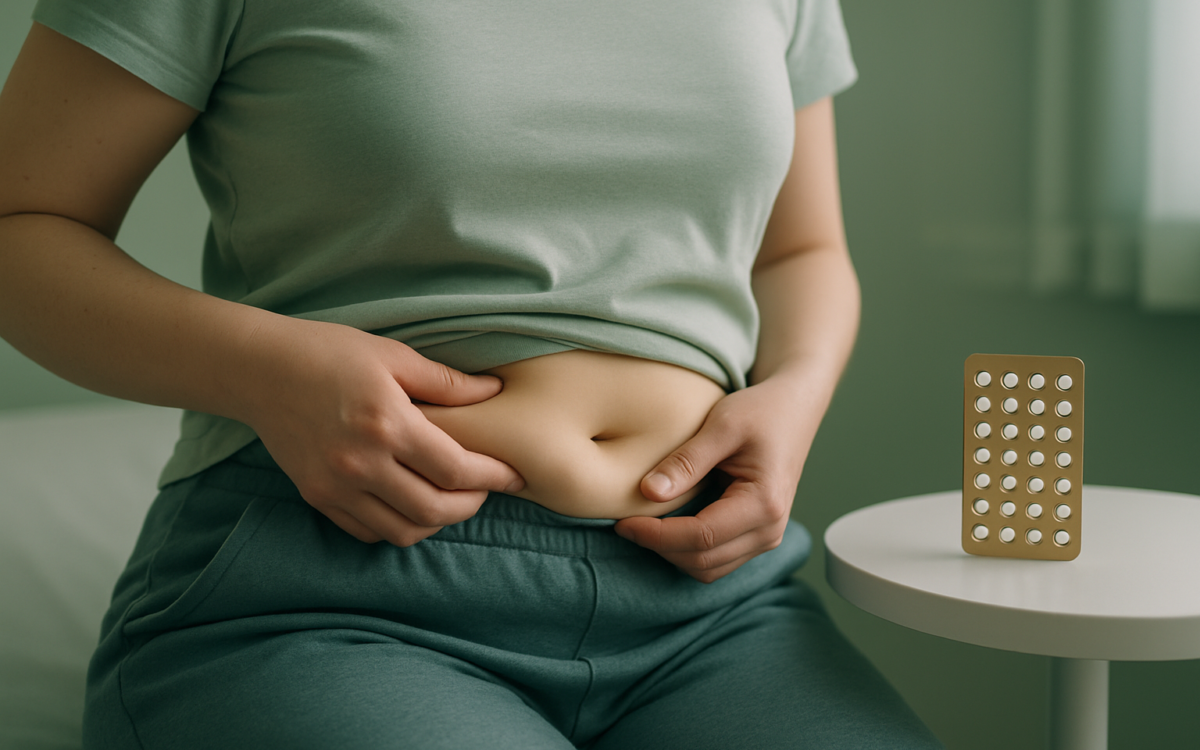
When considering birth control options, many women ask an important question: does birth control make you gain weight? It’s a valid concern and one that deserves close examination. Hormonal contraceptives, including pills, patches, and injections, can affect each person differently. This article delves into the evidence regarding weight changes associated with various birth control methods, helping you make informed decisions about your health.
The Science Behind Birth Control and Weight
Birth control methods vary widely in terms of their hormonal content and delivery mechanisms. Some contain estrogen and progestin, while others may only have progestin. Understanding how these hormones work is crucial to addressing weight gain concerns. Estrogen can promote water retention and fat storage, while progestin primarily affects the reproductive system.
Research Findings: The Evidence on Weight Gain
The relationship between birth control and weight is complex. A notable study published in the journal Contraception reviewed multiple studies and concluded that weight gain could occur with certain hormonal birth control methods, but the effect tends to be minimal. Here’s a breakdown of how specific types may impact weight:
- Birth Control Pills: Some users report weight gain, but many studies show an average gain of only a few pounds, if any.
- Birth Control Injections: The Depo-Provera shot has been associated with more significant weight gain over time. Research suggests that some women may gain up to 10 pounds within the first year.
- IUDs: Hormonal IUDs have little evidence suggesting significant weight gain, making them a favorable option for many.
- Implants: Similar to IUDs, hormonal implants like Nexplanon usually carry a low risk of weight gain.
Why Do Some Women Experience Weight Gain?
Not all women will gain weight due to hormonal birth control, but several factors could contribute to why some do:
- Hormonal Changes: Birth control alters hormone levels, which can lead to increased appetite or changes in metabolism.
- Water Retention: Some hormonal contraceptives may cause the body to retain fluids, leading to temporary weight gain.
- Individual Differences: Every person responds differently to hormones. Factors like genetics, lifestyle, diet, and existing medical conditions can influence weight changes.
Managing Weight with Birth Control
If you’re concerned about weight gain while on birth control, there are several proactive steps you can take:
- Monitor Your Diet: Eating a balanced diet rich in fruits, vegetables, and whole grains can help manage weight effectively.
- Stay Active: Regular exercise plays a significant role in maintaining weight, and it can help mitigate potential weight gain associated with hormonal changes.
- Consult Your Doctor: If you’re experiencing noticeable weight changes, discussing with your healthcare provider could lead to alternatives that suit you better.
When to See a Doctor
If you notice significant weight gain after starting a new birth control method, or if you have other concerning symptoms, it’s a good idea to consult your doctor. They can help assess your situation, discuss your options, and make recommendations suited to your health.
Other Factors Influencing Weight Beyond Birth Control
It’s important to remember that weight changes may not solely result from hormonal birth control. Other life changes, stress, age, metabolism, and lifestyle habits also play critical roles in weight management. Therefore, recognizing that multiple factors could contribute to weight fluctuations is essential.
The Bottom Line
Worries about weight gain with birth control are common but often exaggerated. While some methods carry a higher risk for weight increase, many women do not experience any significant changes. If weight gain is a concern, the best approach is open communication with your healthcare provider to explore options that align with your health goals.
