
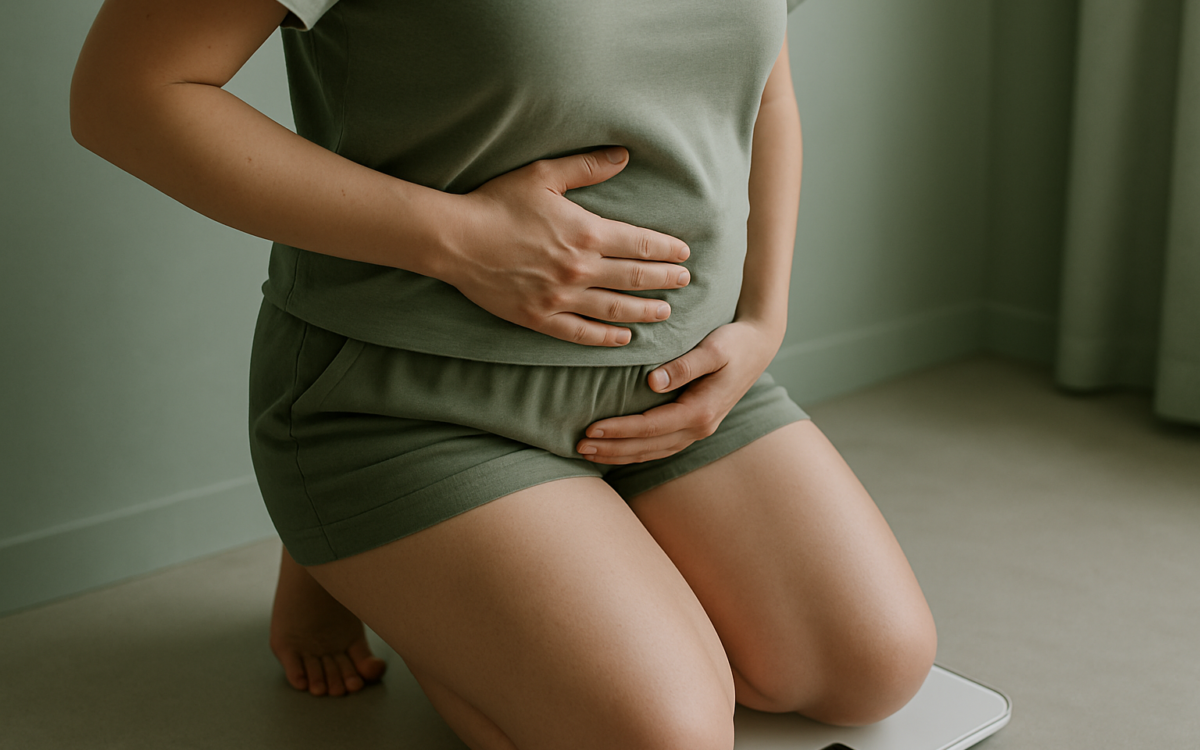
For many individuals, the arrival of their menstrual period comes with a host of physical and emotional symptoms. One of the most commonly discussed issues is weight gain. Are those extra pounds a cause for concern, or just a normal part of the cycle? Understanding how and why weight can change during your period is essential.
The Science of Weight Fluctuations
To comprehend why you might experience weight gain during your period, let’s look at the science behind it. The menstrual cycle triggers hormonal fluctuations that prepare the body for potential pregnancy. The two primary hormones at work are estrogen and progesterone.
In the first half of the cycle, estrogen levels rise, and in the second half, after ovulation, progesterone takes center stage. These hormonal changes can result in various physical symptoms, including weight variations.
Water Retention: A Common Culprit
One of the biggest reasons for temporary weight gain during your period is water retention. Progesterone can lead to increased fluid retention, which may cause bloating and a feeling of heaviness. This extra water weight can add a few pounds, but it’s important to note that it is usually temporary.
Keeping hydrated and incorporating potassium-rich foods like bananas and spinach into your diet can help mitigate these effects. At times, your body may retain water as a response to hormonal changes, but once your period ends, this weight typically sheds itself.
Increased Appetite and Cravings
Hormonal changes can also affect your appetite. As your period approaches, you might notice an increase in cravings for high-calorie foods. This is particularly true for sweets or salty snacks, which may seem to make everything feel a little better during discomfort.
This heightened desire for specific foods is partly linked to fluctuating serotonin levels. Incorporating more balanced meals that include whole grains, lean proteins, and healthy fats can help control cravings. Always listen to your body, but also try to make healthier choices that satisfy your hunger without leading to excessive weight gain.
Emotional Factors and Their Effects
The emotional rollercoaster that often accompanies menstruation—thanks to hormonal changes—can also affect your perception of weight. Many individuals experience mood swings, irritability, and fatigue, which can lead to altered eating habits. Some people might find comfort in food during these emotional times, which can contribute to weight gain.
Being mindful of your emotional health can help you navigate these changes better. If you notice that you are eating more during stressful times, consider alternative coping mechanisms such as journaling, light exercise, or meditation.
Long-Term Weight Management
It is essential to remember that any weight gain experienced during your period is usually temporary and tied to hormonal shifts rather than fat accumulation. If you’re managing your diet and exercise regularly, these short-term changes shouldn’t affect your long-term weight management goals.
It may be beneficial to keep a record of your weight and mood changes over several cycles. This may help you notice patterns and prepare for them better in the future.
Exercise During Your Period
Engaging in physical activity can help counteract some of the discomfort associated with the menstrual cycle. Regular exercise may not only ease bloating and improve mood but also help mitigate weight gain. Activities like walking, yoga, or light cardio can enhance your overall well-being during this time.
When to See a Doctor
If you experience significant weight gain that persists beyond your period or if the weight shifts are accompanied by discomfort, severe pain, or irregular cycles, it may be wise to consult a healthcare provider. A professional can help determine if there are underlying health issues that need to be addressed, such as PCOS or other hormonal imbalances.
Conclusion
Weight fluctuations during your period are typically due to hormonal changes, water retention, and emotional factors. Understanding these aspects can help you navigate this natural part of life with more ease and peace of mind. If you’re ever in doubt, please consult a healthcare professional for guidance tailored to your unique situation. Remember, you’re not alone in this journey; many share similar experiences.
